 +90 534 226 60 59
  Mon - Fri: 9:00-18:00; Sat: 9:00-17:30; Sunday: Closed

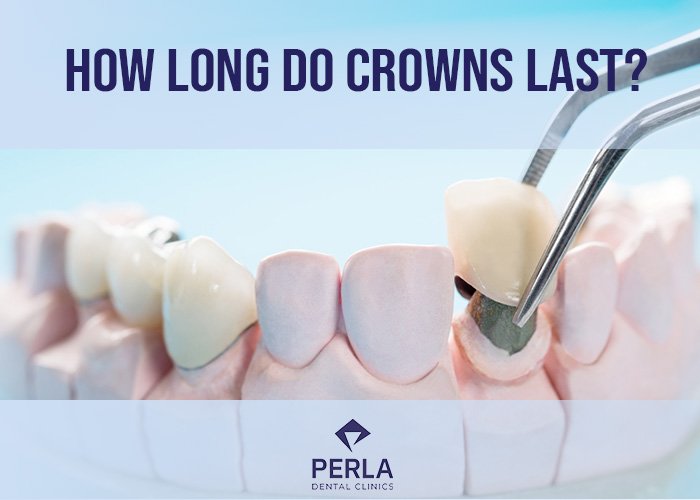
How long a dental crown may last depends on factors such as crown material, tooth position, oral hygiene, and more. Crowns are long-term restorations, and many can last 10 or even 20 years, but the exact lifetime varies from patient to patient. If the patient has good oral hygiene and attends regular dental check-ups, a well-fitted crown should last at least five years.
Pain, looseness, visible cracks, gum recession, and bite changes are all signs of a failing crown. Addressing them immediately will help preserve the tooth. The type of dental crown also influences its lifespan. Choosing one that suits the patient’s condition is important for long-term treatment success.
How Long Do Dental Crowns Usually Last?
Dental crowns are long-term prostheses that can serve for at least 5 years and may last 15-20 years.
Source: National Library of Medicine.
Their actual lifespan depends on the material, underlying tooth condition, fit, care, and overall oral hygiene.How long a crown should last varies greatly from case to case. A crown is essentially a cap placed on a prepared natural tooth. The durability of the prepared tooth, its position in the mouth, and the condition of the margin between the crown and the natural tooth all influence the crown’s lifetime.
What Affects How Long a Crown Lasts?
Crown lifespan depends on the crown material and the patient’s clinical situation. The immediate situation around the treated tooth has the most influence; many other factors influence how long a crown will serve you:
- Crown material: The crown’s material affects its durability and suitability for your case.
- Fit: A tight-fitting crown that is well sealed is less susceptible to bacteria getting under the restoration through the crown margin.
- Oral hygiene: It is essential to maintain good hygiene to prevent issues caused by decay spreading under the crown and gum problems.
- Tooth position: Whether the treated tooth is anterior or posterior influences the pressure on the crown.
- Teeth grinding: Patients with bruxism are more likely to need to replace the crown sooner.
- Gum recession: Gum recession can expose the area between the crown and the tooth. This increases the chance that decay will reach under the restoration.
- Bite: Occlusion determines the bite forces and pressure distribution on each tooth.
- Trauma: Physical trauma or hard foods can damage the crown.
How Long Do Crowns Last on Front Teeth Compared with Molars?
Crowns on molars and front teeth can age at different rates. Choosing a suitable material is important for optimal crown lifespan in both regions. Front teeth crowns are more visible, and aesthetic concerns are often prioritised. E-max crowns are a popular choice for anterior teeth because they are durable and resemble natural enamel.
Molar crowns experience high chewing pressures, so durability is more important. Zirconia crowns are popular for molars due to their strength, even if they can be more opaque.
| Front teeth | Molars |
|---|---|
| Full-ceramic and glass-ceramic (E-max) crowns are preferred | Metal-ceramic and zirconia crowns are preferred |
| Crown lifespan is most affected by hard foods, aesthetic concerns, and accidental trauma | Crown lifespan is most affected by biting pressure, tooth grinding or clenching |
How Long Do Different Types of Crowns Last?
The materials used for a dental crown have a major influence on its lifespan, but are not the only factor in determining how long a crown will serve. Generally, PFM, E-max, and zirconia crowns may have a longer lifespan. All-ceramic crowns can have a shorter lifespan.
| Crown Type | Common Use | Average Lifespan | Longevity Consideration |
|---|---|---|---|
| Full Porcelain | Aesthetic crowns for anterior teeth | 10-15 years | Weak to consistent heavy pressures, not suitable for patients with bruxism |
| Porcelain-fused-to-metal (PFM) | Mostly for posterior teeth | 15+ years | Aesthetic qualities of the porcelain layer may deteriorate faster due to chipping |
| Zirconia | Can be used for both posterior and anterior teeth | 15+ years | Monolithic zirconia crowns tend to last longer than layered zirconia crowns |
| E-Max | More common in anterior teeth, but may be used in posterior teeth | 15+ years | Highly aesthetic and durable, but may not be suitable for posterior teeth if a patient has a strong bite |
Source: All-ceramic or metal-ceramic tooth-supported fixed dental prostheses (FDPs)? A systematic review of the survival and complication rates – Available online at ScienceDirect www.sciencedirect.com
Signs a Crown May Need Repair or Replacement
A crown that is reaching the end of its expected lifetime does not necessarily mean it is failing. Whether a crown replacement is required depends on the clinical situation. The absence of visible issues does not mean that the tooth is still healthy, so regular dental visits are necessary.
Symptoms of a failing crown include:
- Loose, chipped, or cracked crown
- Pain or sensitivity in or around the tooth
- Gum recession
- Bite change
- Bad taste or smell
Note that while the crown cannot decay, the decay can reach under the crown. This can be difficult to notice at first, and regular dental checkups can prevent crown loss.
How to Help Your Crown Last Longer
While you may not be able to control every factor that influences crown lifespan, there are still many ways in which you can make crowns last longer. Good dental crown care will minimise avoidable risks, such as plaque and gum inflammation:
- Maintain good oral hygiene: brush your teeth and floss interdental spaces to remove bacteria and prevent margin decay.
- Wear a night guard if recommended by the dentist. It will prevent damage from tooth grinding and clenching during sleep.
- Avoid biting into very hard foods with restored teeth. Avoid such foods if possible to eliminate the risk of damaging the crowns.
- Do not use your teeth as tools to prevent dislodging the crowns.
- Have regular crown check-ups at the dental practice to discover and address any issues before they become serious.
- Contact the dental practice immediately if you feel that the crown is loose or experience any pain in or around the tooth.
Can Decay Happen Under a Crown?
The crown itself cannot decay like natural enamel, but the tooth under the crown can. Decay can reach under the crown through the crown margin or from below the crown, especially if the patient has gum problems.
Good oral hygiene and regular check-ups will help prevent this secondary decay or address it before it further endangers the tooth.
When Should You Ask a Dentist About an Old Crown?
You should ask the dentist about an old crown replacement if the crown moves, hurts, has lost its aesthetic value or looks damaged, or interferes with your bite. Age alone is not a good reason to replace a dental crown. The dentist will check the following before recommending replacing the crown:
- Fit
- Bite
- Gumline health
- Signs of decay (possibly via X-ray)
- Cracks
- Aesthetic condition
Remember that the crown is not only aesthetic but also a functional dental prosthesis. A dentist’s recommendation to place or replace a crown is based on preserving the tooth’s structural integrity while ensuring an attractive smile.
Considering Crown Replacement in Turkey?
If you are considering getting dental crowns in Turkey, remember to ask for a personalised assessment. You should:
- Share dental photos/X-rays when the clinic requests them.
- Ask for a dental crown treatment plan.
- Clarify aftercare before travel.
Perla Dental Clinics is certified to offer dental treatments to international patients. We offer fast and safe crown replacement in Turkey using modern materials and technology. This ensures effective treatment planning, crown manufacturing, and post-treatment care.
FAQs About Dental Crown Lifespan
Can a Dental Crown Last 20 Years?
Yes, some crowns can last 20 years. This implies good oral hygiene, maintenance, and a favourable initial condition of the treated tooth. Such a lifespan, however, cannot be guaranteed due to many unpredictable factors and changes in the patient’s oral health over time.
What Happens to Crowns After 10 Years?
What happens to a crown after 10 years depends on many factors. Such an age does not necessarily mean that the crown is failing. It may, however, lose some of its initial aesthetic qualities due to staining of the neighbouring teeth.
How Long Do Crowns Last on Front Teeth?
Crowns on front teeth can last anywhere from 5 to 20+ years. This is highly variable and depends on care and external factors. An estimated annual failure rate of anterior crowns is about 1%.
How Long Does a Crown Last on a Molar?
Crowns on molars can last 5-20+ years, depending on the same factors that affect anterior crowns. The annual failure rate of these crowns ranges from 0.61% to 2.61%, depending on the material. Using durable materials such as zirconia and PFM crowns will extend their service life when placed in this region.
Source: All-ceramic or metal-ceramic tooth-supported fixed dental prostheses (FDPs)? A systematic review of the survival and complication rates – Available online at ScienceDirect www.sciencedirect.com
Can Decay Happen Under a Crown?
Yes, decay can spread under the crown. It can originate from the parts of the tooth not covered by the crown or be caused by bacteria getting under the crown margin. Good oral hygiene and frequent check-ups will help prevent these issues.
Do Temporary Crowns Last as Long as Permanent Crowns?
No, they do not last as long. Temporary crowns are intended to protect the teeth while the permanent ones are being made. They are much less durable and do not fit the patient’s dental anatomy as well.
Does Grinding or Clenching Damage Crowns?
Yes, grinding or clenching your teeth can damage the crowns. Patients with bruxism may need to wear a nightguard to protect their crowns. Using more durable materials is also important for patients with bruxism.
Is Crown Replacement Painful?
No, crown replacement is generally not painful. It is performed under local anaesthesia. Some patients may experience temporary soreness at the margin where the crown meets the gums, but it is mild and resolves on its own.
What Happens If I Ignore a Damaged Crown?
Ignoring a damaged crown can lead to decay and further damage to the tooth beneath. This can eventually lead to tooth loss. Other complications, such as gum inflammation, are also possible.
How Often Should I Have My Crown Checked?
Most patients can get their crowns checked during their routine visit to the dental practice. We recommend visiting the dentist every six months. This will help to identify and resolve any preventable issues that could affect your dental health.
Why Would a Dentist Recommend a Crown?
A dentist may recommend a crown if a more conservative approach is unlikely to achieve the desired outcome. Crowns are frequently used for severely damaged or decayed teeth. They are rarely used as a purely aesthetic treatment, and are instead used when both restorative and cosmetic effects are required.
Could I Need Root Canal Treatment After a Crown Problem?
If a decay spreads to the pulp, you may require a root canal when replacing a crown. Resolve any issues with the crown as soon as you notice them. Regular dental check-ups will help you resolve issues that are not immediately noticeable.

Medically reviewed by:
Dr. Onur Ademhan
Oral and Maxillofacial Surgeon
Founder and CEO of Perla Dental Clinics. Graduated from Ankara University Faculty of Dentistry and specialized in Oral and Maxillofacial Surgery at Gazi University.