+90 534 226 60 59
  Mon - Fri: 9:00-18:00; Sat: 9:00-17:30; Sunday: Closed

Root canal treatment in Turkey is one of the most common dental procedures we offer at our clinic in Antalya. If a tooth is damaged, has a cavity, and you experience pain, swelling, or pus discharge from the gums, you may require a root canal treatment. This procedure saves teeth with infected or inflamed pulp from extraction.
Our clinic employs modern approaches and effective anaesthesia, making endodontic treatment safe, comfortable, and affordable.
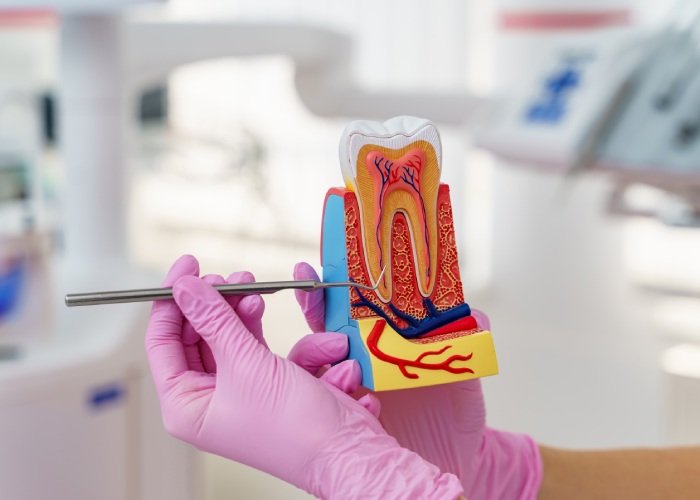
Table of Contents
What Is Root Canal Treatment and How Can It Save Your Tooth?
Root canal treatments focus on the inner parts of the tooth. As these are complex endodontic procedures, let’s address the key questions one by one.
What Does Endodontics Mean, and What Is an Endodontist?
Endodontic treatments are a range of procedures that address issues inside the tooth. Root canal treatment is one such procedure, but there are many others. A dentist who specialises in endodontic procedures is called an endodontist.
What Is a Root Canal Treatment?
Root canal treatment is used to remove infected pulp from the tooth, followed by disinfecting and filling the root canal. As a result, the tooth is relieved of pain and protected from re-infection. The treated tooth is often fitted with a dental crown to enhance its structure and the bite.
What Is Dental Pulp?
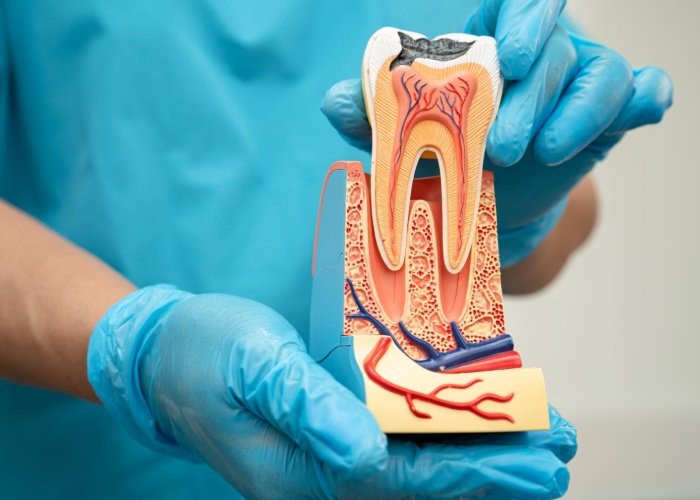
Dental pulp is the ‘living’ part of the tooth located beneath the hard enamel and dentine layers. It is sometimes called ‘the nerve’ of the tooth, though pulp also contains blood vessels and other soft tissues. In adults, pulp mainly serves a sensory and protective function.
How Does Dental Pulp Become Infected?
Dental pulp gets infected when bacteria colonise it as a result of a deep cavity, crack, or other mechanical trauma. Bacterial toxins cause pulp inflammation, also called pulpitis. The pulp and the immune cells within it can initially resist the bacteria. Inflammation and infection can be treated at this stage with conservative dental procedures.
How Does a Root Canal Treatment Preserve the Tooth?
If pulp inflammation is allowed to progress, bacteria can penetrate the pulp, causing irreversible damage. This is the stage when a root canal treatment is indicated to remove decayed pulp, then disinfect and seal the empty canal. This stops inflammation and allows the soft tissues around the tooth to heal. Without a root canal treatment, the infection can spread further, potentially requiring tooth extraction.
Filling vs Root Canal vs Extraction
Filling
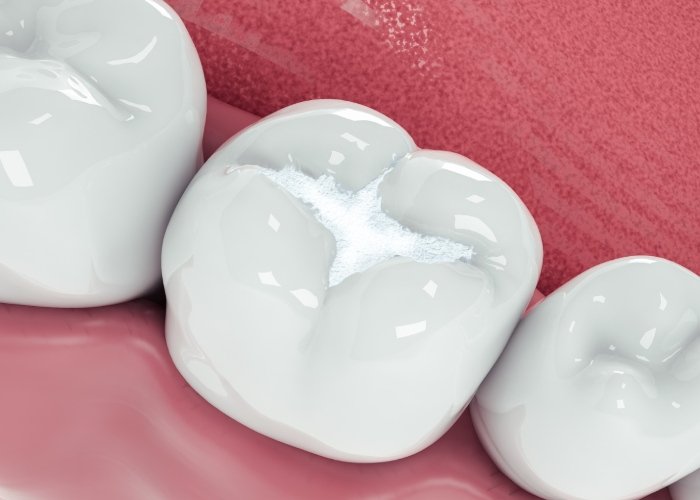
Repairing damage in the outer tooth layers only.
Root canal treatment
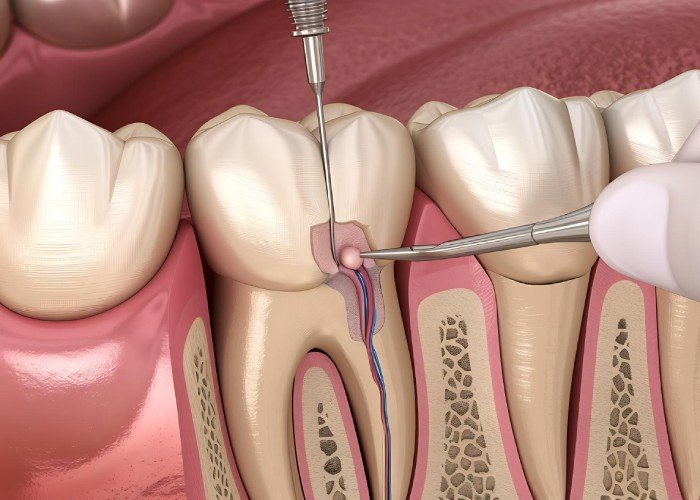
Removing infected pulp deep inside the tooth.
Tooth extraction
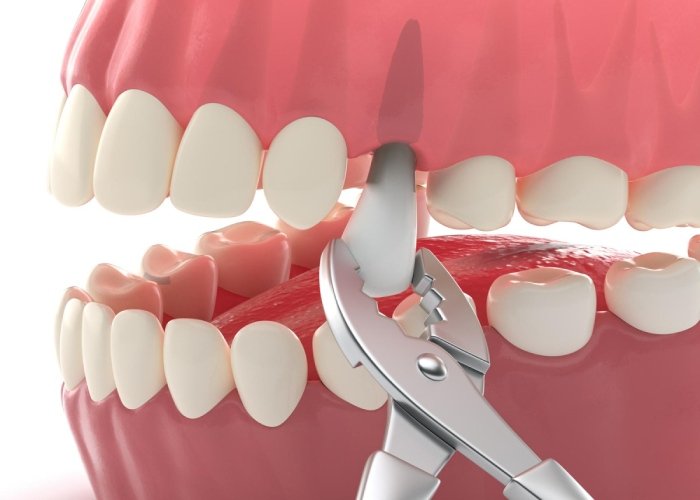
Complete removal of a tooth that is too damaged to save.
When Do You Need Root Canal Treatment?
How can you tell if you need a root canal treatment? Many symptoms can indicate that your tooth’s pulp is infected or inflamed:
- Pain that appears when biting or touching a tooth.
- Toothache after consuming hot/cold foods and drinks that lasts for several minutes.
- Swollen jaw and/or gums.
- Tooth discolouration.
- Formation of pus-filled bumps (abscesses) on the gums.
While a toothache can be caused by symptoms other than infected pulp, only a dentist can confirm it. Even if tooth pain is a sign of inflammation, it can quickly turn into an infection.
Untreated pulpitis and resulting abscesses can cause the infection to spread further into the gums and surrounding tissues. This can lead to permanent damage to the jawbone, gums, and surrounding teeth, as well as cause systemic health problems.
Root canal treatment is an alternative to tooth extraction for infected teeth. The only way to replace an extracted tooth is by using a prosthesis such as a dental implant.
Root Canal Treatment in Turkey: Step-by-Step Procedure
Turkey is among the most popular countries for dental procedures, including root canal treatments. Each patient’s case is considered individually. Treatment can be performed in one or several visits. The treatment plan is created based on the extent of the infection and the patient’s needs. The treatment consists of the following steps.
Consultation, X-ray and Local Anaesthesia
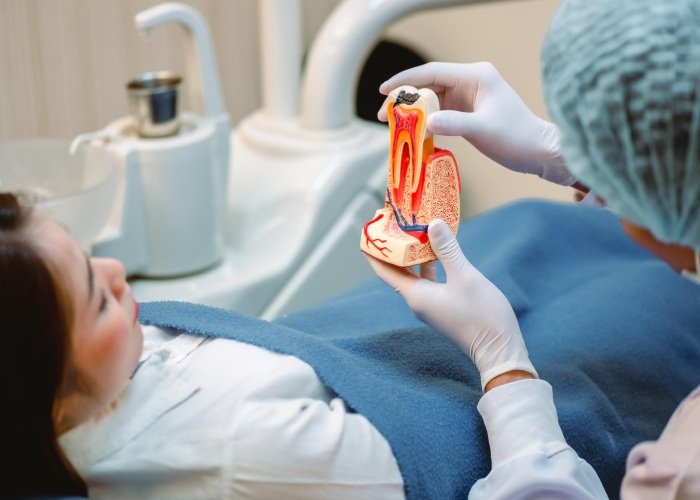
At our clinic in Antalya, treatment starts with a consultation and a dental examination. Our root canal specialist will ask you questions to find out more about your symptoms.
The endodontist will use the following methods to make a final diagnosis:
- General examination (lymph node palpation, assessment of tooth wear, mobility, etc.)
- Pulp testing.
- X-ray.
- CBCT scans (if necessary).
It is sometimes difficult to determine which exact tooth is infected, which is why a doctor can use multiple diagnostic methods.
Local anaesthesia helps keep you comfortable during treatment.
We use modern local anaesthesia to prepare the tooth for a root canal procedure. While many patients think a root canal treatment is painful, it feels similar to getting a deep dental filling.
Cleaning and Shaping the Root Canals
Cleaning and shaping the root canal system to remove damaged tissue and bacteria constitutes the main part of root canal treatment. The endodontic procedure steps for accessing and cleaning root canals are as follows:
- Once the tooth is numb, the endodontist removes any decay and existing dental restorations, such as fillings and crowns.
- An access space is prepared. This is an opening through which dental instruments can reach the pulp chamber.
- The endodontist removes the infected pulp and debris using special files or a rotary system.
- The root canals are irrigated using an antibacterial solution.
- The prepared canals are filled with gutta-percha, a biocompatible dental material that prevents bacterial re-entry.

Filling the Root Canal and Temporary Restoration
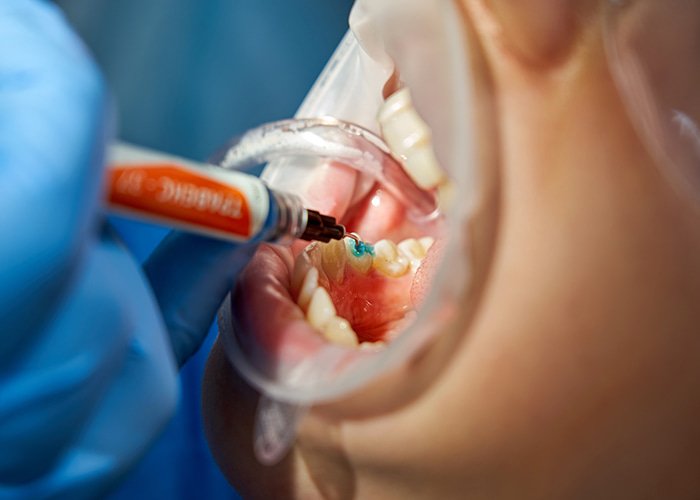
After filling the root canal with gutta-percha, the endodontist will use dental cement or glass ionomer to close the access cavity. This temporary filling will protect the tooth from bacteria and food debris until a permanent restoration can be installed.
If the root canal treatment is complex and performed over multiple clinic visits, the dentist won’t fill the canals with gutta-percha until the last visit. Instead, the canals are filled with medicament and closed with a temporary filling. The root cavity filling and medication are removed when the treatment resumes.
Permanent Restoration
The treated tooth will require a durable permanent restoration such as a crown, onlay, or permanent filling. The tooth may need to be observed for a few days before a crown is placed to ensure the infection has completely cleared and to allow the tissues to heal. Most patients become eligible for permanent tooth restoration within a few days to two weeks after root canal treatment.
Does Root Canal Treatment Hurt? Pain During and After the Procedure
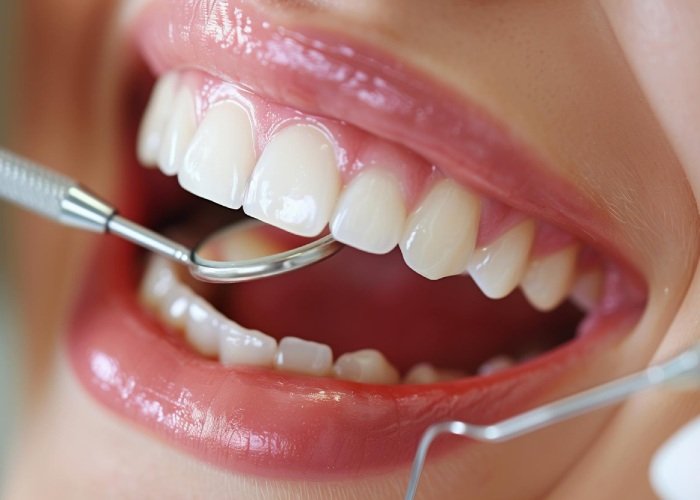
“Is root canal treatment painful?” is perhaps the first question many patients have after learning they may require the procedure. For most cases today, receiving a root canal treatment feels like getting a dental filling that takes slightly longer to perform.
Do Root Canals Hurt During the Procedure?
We administer effective local anaesthesia for root canal treatments. If the infection has not caused a very large abscess, the numbing effect is very effective, making the procedure almost painless.
What you will feel during the procedure:
- Slight jab during anaesthesia application.
- Pressure on the tooth.
- Vibrations or scraping from the dental tools.
Will There Be Pain After the Procedure?
The amount of pain after root canal treatment depends on how damaged the surrounding tissues have sustained due to infection. Some soreness is normal after the procedure. It should last only a few days. If you have experienced severe pain before the procedure, it should gradually subside over several days.
What is the expected level of pain after a root canal procedure:
- Mild pain
- Some discomfort when biting
- Sensitivity and tenderness
You can relieve these symptoms with a painkiller or a cold compress. The pain should decrease daily and resolve within several days after treatment.
You should contact a clinic if you experience these symptoms:
- Persistent or worsening pain
- Severe throbbing sensation
- Fever
- Persistent swelling and/or redness of the gums
These symptoms can indicate a flare-up, but can also be a sign of a reinfection.
Recovery and Aftercare: Eating, Daily Life and Healing Time
Root canal recovery usually takes one to two weeks for most cases. Any lingering pain subsides within the first several days. Patients can eat normally after receiving a permanent crown, onlay, or filling.
In some cases, a permanent crown or filling can be installed right after the treatment. Otherwise, the patient needs to wait a week or two before receiving a permanent restoration.
Root Canal Healing Time
Day 1–3
Some swelling and tenderness are expected. Mild to moderate soreness when chewing
Day 4–7
Steady decrease in discomfort. Almost no discomfort when biting or chewing.
After 1–2 weeks
Discomfort is gone. The tooth is fully functional if a permanent crown or filling is in place
Can You Eat After a Root Canal Treatment?
You can eat soft foods after anaesthesia wears off. Avoid chewing with the treated side, if possible. Choose lukewarm foods that are soft enough not to disturb the temporary filling, such as:
- Mashed potatoes
- Yoghurt
- Soft pasta
- Smoothies
- Applesauce and other pureed fruit or vegetables
Once the tooth has healed and you have received a permanent dental restoration, you can resume your regular diet.
Can You Smoke After a Root Canal?
Avoid smoking and alcohol until the tooth is completely healed. They interfere with recovery and increase the risk of post-treatment flare-ups.
Can I Drive Right After the Treatment?
If the root canal treatment was performed under local anaesthesia, you can drive immediately after the treatment. However, you shouldn’t drive after IV sedation.
Root Canal Recovery Tips
- Brush your teeth with a soft toothbrush after every meal.
- Use antibacterial mouthwash.
- Floss your teeth once a day, pulling the floss through the side of each tooth rather than over the top.
- Remember to follow the dentist’s root canal aftercare instructions
Do You Need a Crown After Root Canal Treatment?
Whether you will need a dental crown after a root canal depends on the type of tooth and the extent of damage it suffered.
Teeth that have had a root canal tend to be weaker structurally. Therefore, a durable permanent restoration is necessary to preserve the tooth’s structure.
If the tooth is severely damaged, crowns are often the only option for permanent restoration. In such cases, the dentist may need to insert a post into the tooth to anchor the restoration’s core before placing a crown.
Crowns for front teeth vs molars after a root canal procedure
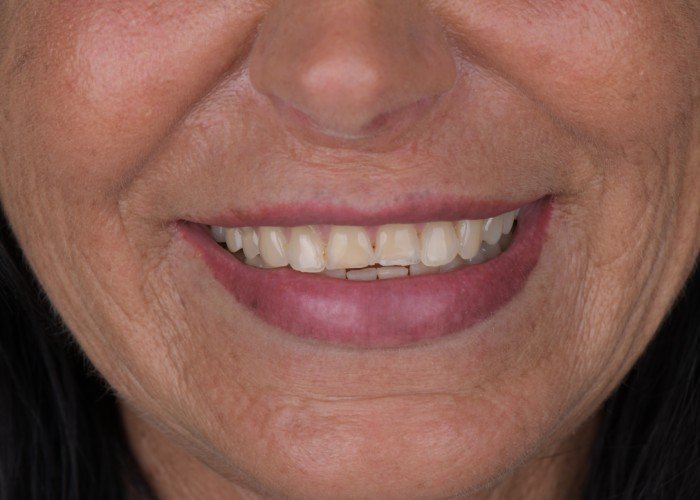
Severely damaged teeth before getting a crown
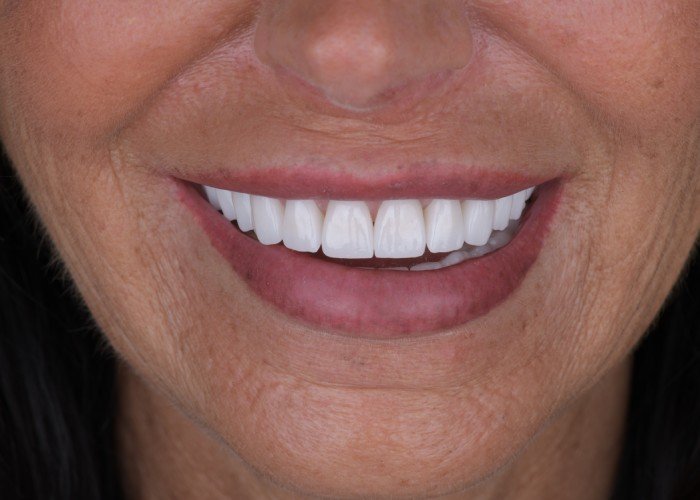
Teeth with a permanent crown restoration
For some teeth, especially those in the front, a permanent filling or an onlay may be sufficient for protection and aesthetics. However, molars almost always require a dental crown. Molars are subjected to significant pressure during chewing. Dental crowns are the only restorations that can withstand such pressure. Without a crown, a molar tooth may be at increased risk of fracture after a root canal procedure. Such teeth need to be extracted.
Getting a dental crown in Turkey is optimal after a root canal treatment. It allows patients to receive a permanent restoration without unnecessary delay and may help reduce overall treatment costs.
Risks, Complications, and When Root Canal Treatment May Be Repeated
Root canal recovery usually takes one to two weeks for most cases. Any remaining pain subsides within the first several days. Patients can eat normally after receiving a permanent crown, onlay, or filling.
In some cases, a permanent crown or filling can be placed immediately after the treatment. Otherwise, the patient needs to wait a week or two before receiving a permanent restoration.
Call the dental clinic immediately if you experience:
- An increase in pain over time
- Pain that does not respond to medication
- Extensive or spreading swelling
- Formation of an abscess
- Pus discharge or a bad taste in the mouth
- Fever or general weakness
Possible Complications After a Root Canal Procedure
- Reinfection: If bacteria manage to enter the tooth after a temporary filling is placed, they can cause further inflammation, requiring retreatment.
- Missed root canals: The anatomy of a root canal system varies from patient to patient. Modern diagnostic methods make it unlikely, but it is possible to miss a root canal during treatment, especially in molars.
- Tooth fracture: Teeth that have lost a significant portion of their structure due to root canal infection are more prone to fracture.
- Discolouration: Some teeth may change colour over time after a root canal procedure. This can be treated with internal bleaching.
If complications are not severe, a root canal treatment can often be repeated. However, if the infection cannot be eliminated, a root end surgery (apicoectomy) may be performed. The endodontist will remove the root tips to eliminate the sources of infection and preserve the tooth.
What Can Happen If You Leave an Infected Root Canal Untreated?
Untreated root canals can result in abscesses, tooth loss and irreversible damage. They cause severe toothache and can lead to more serious health issues.
Root Canal Treatment Cost in Turkey vs the UK
The average cost of a root canal treatment in Turkey depends on which tooth is being treated. Front teeth have only a single root canal. Premolars and molars have several canals. Consequently, average treatment cost ranges from £150 for incisors and canines to £230 for molars.
Dental treatment prices in Turkey and the UK differ significantly. Dentistry in Turkey is more affordable due to lower living costs and operating expenses. Therefore, our clinic in Turkey can offer the same quality of treatment as the best clinics in the UK, but at a much lower cost.
| Treatment | UK private care | Turkey |
|---|---|---|
| Front teeth | £300-800 | £55-£200 |
| Premolars | £500-1200 | £110-£250 |
| Molars | £1200-1400 | £160-£300 |
What Is Included In the Price in Turkey?
The prices for dental treatments in Turkey usually include additional services, such as X-ray, anaesthesia, temporary filling placement, and necessary check-ups.
Root Canal vs Tooth Extraction (and Dental Implants)
Is it better to have a root canal or an extraction? It depends on how damaged your tooth is, how well it responds to treatment, and your personal preference. A root canal treatment preserves the tooth’s natural structure. If you opt for tooth extraction, a new tooth must be implanted to prevent the tooth from shifting. In this case, implants are the preferred tooth-replacement option because they prevent bone loss.
When Is a Root Canal Worth It?
Root canal treatment is more conservative than tooth extraction. It is less invasive, takes less time, and is cheaper than installing an implant. It also has fewer contraindications.
When fitted with an aesthetic crown in Turkey, a tooth treated with a root canal can retain its appearance and function.
When Is It a Good Idea to Have an Extraction and Implant?
Extraction and implant placement are preferable if your tooth is too damaged and the chances of tooth fracture are high after a root canal procedure.
Implants are even more expensive than a complex root canal treatment. The implant placement process takes several months until complete healing is achieved and requires multiple clinic visits. However, long-term stability is higher.
Getting a dental implant in Turkey can be an attractive option if you want high-quality treatment while managing costs.
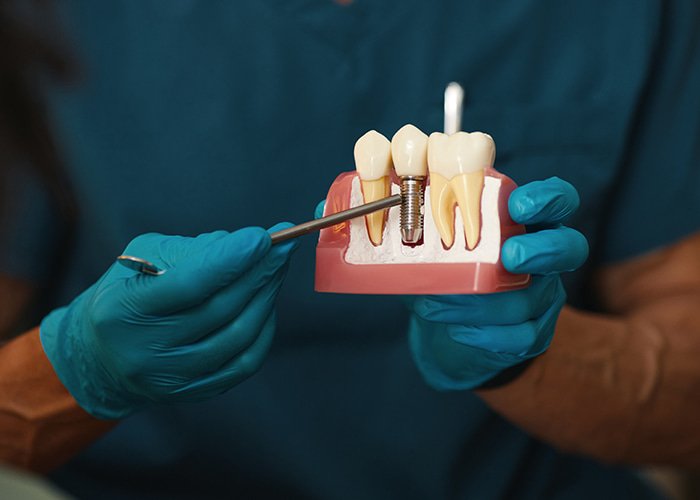
Root Canal and Implant Comparison
| Key factors | Root canal and crown | Extraction and implant |
|---|---|---|
| Treatment duration | One or two clinic visits, full recovery in several weeks | Multiple clinic visits over a period of several months |
| Longevity | 5-20 years, depending on restoration | 20+ years |
| Cost | Lower upfront cost | Higher upfront cost |
Why Choose Our Clinic for Root Canal Treatment in Turkey
Perla Dental clinic is an excellent choice for a root canal treatment in Turkey. Our experienced endodontists and dentists use state-of-the-art treatment methods to achieve high success rates.
Our clinic offers the following services using modern technology and equipment:
- Operating microscope: allows us to perform root canal procedures with high accuracy.
- Rotary file system: effectively removes debris and infected material from the root canals.
- Effective local anaesthesia and optional IV sedation: makes the procedure almost painless, much like getting a regular dental filling.
If you can provide us with your dental X-rays before flying to our clinic in Antalya, we can create a personalised treatment plan and estimate the number of visits required.
We offer a warranty on our permanent dental restorations, such as crowns and onlays, and provide follow-up consultations.
The combination of personalised care and effective treatment methods allows us to achieve exceptional aesthetic and structural restoration results. You can see the before and after results for yourself.
FAQ About Root Canal Treatment in Turkey
How long does a root canal take?
The number of visits required for a root canal depends on how complex the case is. Most patients can complete treatment in one or two visits.
How long can a root canal last?
With good oral care, a root canal can last for a lifetime. The restorations placed on the tooth require replacement. Fillings placed in the tooth will need to be replaced. While fillings may need replacing as early as 5 years, crowns can last up to 20 years.
Is it safe to travel after a root canal treatment in Turkey?
We advise you to stay in Turkey for a day or two after recovery to ensure the infection has been resolved completely. However, unless you experience serious side effects, traveling and flying after root canal treatment is safe.
Can you repeat a root canal procedure if it fails?
Whether or not root canal treatment can be repeated depends on the reason for the failure. Some root canal complications can be resolved with retreatment. For others, root tip surgery or tooth extraction is preferred.
What can happen if you don't have a root canal procedure?
A deep cavity or crack is enough to cause inflammation of the tooth pulp (pulpitis). If root canal treatment is not done, pulpitis or necrotic pulp can lead to severe pain, inflammation, and the formation of large abscesses. These can jeopardize your overall health and cause irreversible damage to soft and hard tissues.