+90 534 226 60 59
  Mon - Fri: 9:00-18:00; Sat: 9:00-17:30; Sunday: Closed

The cost of a dental filling depends on its material, size, complexity, insurance coverage, and the clinic’s location. In this article, we discuss the average cost of tooth fillings in the UK and Turkey.
There are significant price differences between fillings offered under the NHS, private clinics in the UK, and dental fillings in Turkey. Understanding the elements that influence dental filling costs and quality will help you better grasp the relationship between the two.
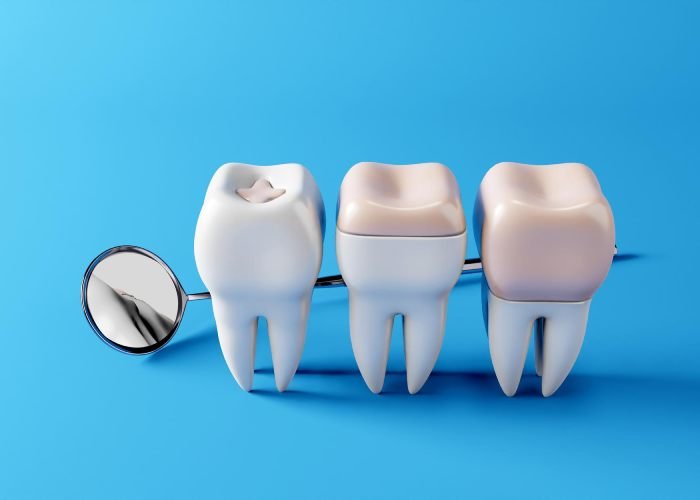
Table of Contents
What Is a Dental Filling and When Do You Need One?
Let’s clarify what a dental filling is. A dental filling is a treatment in which the dentist removes damaged or decayed parts of a tooth and fills them with artificial reconstructive material.
The materials used for cavity filling differ in price and appearance. This has a major influence on the restoration’s price and applications.
Dental fillings are a commonly used procedure that you may need to fix issues like:
- Cavities
- Cracks and chips
- Replacing an old dental filling
- Worn tooth surface
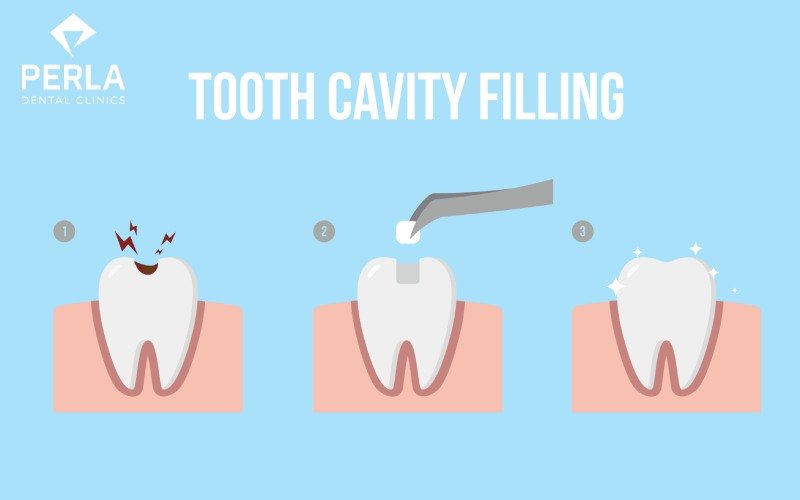
You may need a tooth filling if you experience symptoms such as a toothache, increased sensitivity, or dark spots on your teeth.
Average Cost of a Dental Filling
Many factors influence the cost of a dental filling, including the material and complexity. As such, it is easier to view the average cost of a filling as a price range.
The material of the filling has the most influence on its price. However, to determine how much a dental filling costs, the dentist must first examine the patient’s teeth.
The precise price is determined after a dental checkup. This is because the true extent of dental damage can only be estimated during a dental examination.
Dental Filling Cost in the UK
The cost of a filling in the UK varies depending on whether you receive it through the NHS or a private clinic. When placed in a private practice, it also depends on the filling material.
Dental fillings are an NHS Band 2 treatment. They have a set price for a single course of treatment, but material availability is limited. White fillings are offered on the NHS only when deemed clinically necessary.
This means that white fillings are available mostly for front teeth. Back teeth are treated with amalgam (silver) fillings.
Filling costs at a private dentist are higher, but private clinics offer a wider range of materials. It is also possible to place a white filling on the rear teeth, if preferred.
White fillings cost more in the UK than amalgam ones.
Here is an overview of average dental prices in the UK by type of filling.
| Filling Type | NHS price | Private Price |
|---|---|---|
| Amalgam | £75.30 | £60-£170 |
| White filling (Composite) | £75.30 (limited availability) | £120-£350 |
Dental Filling Cost in Turkey vs. UK
Turkey is among the most popular destinations for dental tourists. As with many other treatments, the cost of dental fillings in Turkey can be significantly lower than in the UK.
There is a wide variety of dental fillings in Turkey, with an average cost of £40 to £250 per tooth.
| Filling Type | UK private clinics | Turkish clinics |
|---|---|---|
| Small amalgam filling | £60–£105 | £20–£50 |
| Large amalgam filling | £130–£170 | £80–£100 |
| Small white filling | £70–£150 | £40–£65 |
| Large white filling | £200–£350 | £90–£120 |
Dental treatment prices in Turkey are more affordable due to several factors. Lower living costs, cheaper rent, and lower overhead make Turkish fillings cheaper to place. The treatment quality is equivalent to that provided in the UK.
Since dental fillings are among the more affordable dental restorations, most patients fly to Turkey when they need to treat several teeth at once. Many clinics in Turkey offer fillings as part of a more comprehensive smile-restoration treatment that includes other procedures.
What Affects the Cost of a Filling?
Many factors influence the cost of a dental filling, including the material and complexity.
The actual cost of a dental filling is determined by:
- Type of material
- Size and location of treated cavity
- Case’s overall complexity
- Clinic’s location and type
- Insurance
The material of the filling has the most influence on its price. However, to determine how much a dental filling costs, the dentist must first examine the patient’s teeth.
Type of Filling Material
Dentists in the UK and Turkey offer several types of dental fillings. They have different structural and aesthetic properties and vary in price based on material costs and manufacturing complexity.
The most common fillings are made of amalgam (silver) and composite (white). Typically, amalgam fillings cost less than composite ones. Amalgam is easier to shape in the cavity and does not require a multi-step setting process. Composite fillings, however, provide a more natural result.
Other types of filling include glass ionomer and porcelain inlays. Glass ionomer fillings are most common in pediatric dentistry. They release fluoride, which helps prevent dental decay. Glass ionomer fillings are more expensive than amalgam but cheaper than composite.
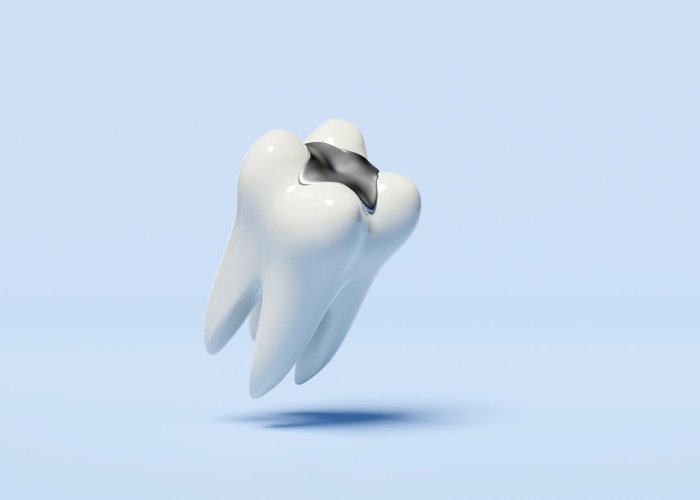
Porcelain fillings cost the most. Also known as inlays, they are manufactured in a dental lab and are more similar to a dental crown than a traditional filling.
Size, Location, and Complexity of the Cavity
The cost of the filling is also depends on the tooth’s location and the level of damage.
The cost of a front tooth filling is likely to be lower than a molar filling when using the same material. Molars are difficult to reach. They also require more filling material.
The cost of dental cavity filling increases if multiple tooth surfaces are to be restored. Shaping multiple surfaces requires more intricate work and filling material.
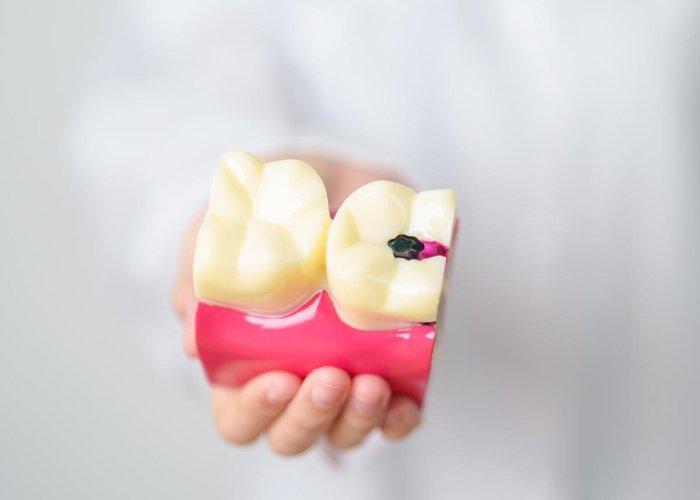
Finally, fillings for tooth decay at the gum line cost more than other types. These fillings are closer to the nerve and require isolation from moisture, which creates additional challenges. This increases the cost of placing the filling.
Clinic Type, Dentist, and Insurance
The clinic’s location, the dentist’s expertise, and insurance affect the cost of treatment. You can decrease the cost of dental fillings without using insurance by getting dental treatment in Turkey.
In the UK, fillings available under the NHS are offered at a fixed price but may not be the most aesthetically pleasing option. Private clinics cost more, but offer more flexible material choices.
Clinics in Turkey offer a similar selection of filling materials as private dental practices in the UK, but they are substantially less expensive.
Composite vs Amalgam vs White Fillings: Cost and Benefits
Composite resins and amalgams are the most popular dental filling materials. When comparing the cost of composite fillings vs. amalgam fillings, it is important to remember that both materials have their benefits and use cases.
Composite fillings are also called white fillings. They are made of composite resin and resemble a natural dental surface. Their aesthetic appeal makes them the best choice for treating the front teeth. Composite fillings cost more than amalgam fillings because they are more complex to place, requiring multiple layering and curing.
Amalgam fillings are also called silver fillings. Made of a silvery alloy of different metals, they offer increased durability but are unsuitable for aesthetic restorations. Amalgam is a good material for treating molars that require extra support. Amalgam fillings are typically the least expensive among all types of fillings. This makes them a suitable choice for treating large cavities in posterior teeth.
Clinics in Turkey prefer to use composite fillings for their exceptional aesthetic value. The inherently lower prices of Turkish dentistry make it possible to treat any tooth with composite (white) fillings at affordable rates.
| Material | Appearance | Durability | Typical cost range |
|---|---|---|---|
| Amalgam (Silver filling) | Silver metal filling that stands out when visible | Extremely durable, 15+ years of service life | From £20 in Turkey and from £60 in the UK |
| Composite (White filling) | White resin tinted to match the colour of enamel | Highly durable, 10+ years of service life | From £40 in Turkey and from £70 in the UK |
Cost of Fillings with and Without Insurance
Your health insurance may cover a part of the cost of dental fillings. The differences in cavity filling cost without insurance and with insurance vary depending on the terms. There are multiple ways your health insurance can help you pay for a dental filling. Coinsurance, co-pay, and deductible (franchise) are the most common.
Coinsurance covers a certain percentage of the cost. For example, the cost of a dental filling with insurance of this type can be reduced by 50-80%. Co-pay refers to a flat fee patients must pay each time they visit a doctor, with the rest of the cost covered by insurance.
A deductible is a flat fee paid annually or at the start of treatment. Below, we compare the average cost of a filling without insurance in the UK and Turkey with the typical insurance-covered prices in the UK.
| Filling Type | UK private with Insurance (co-pay) | UK without insurance | Turkey private clinic |
|---|---|---|---|
| Composite | £50–£150 | £70–£350 | £40–£120 |
| Amalgam | £30–£120 | £60–£170 | £20–£100 |
| Glass ionomer | £30–£100 | £60–£150 | £35–£90 |
For patients without insurance, Turkey can be a great choice, offering comparable or even lower prices than available in the UK.
Dental Filling Cost vs Other Treatments
A dental filling placed in time can help preserve the tooth and avoid more expensive treatments. The cost of filling a tooth vs installing a crown is very different.
Crowns, onlays, and implants are very effective restorative treatments, but they are best suited for more damaged teeth. An inexpensive filling may stop decay from spreading, preventing the formation of large cavities.
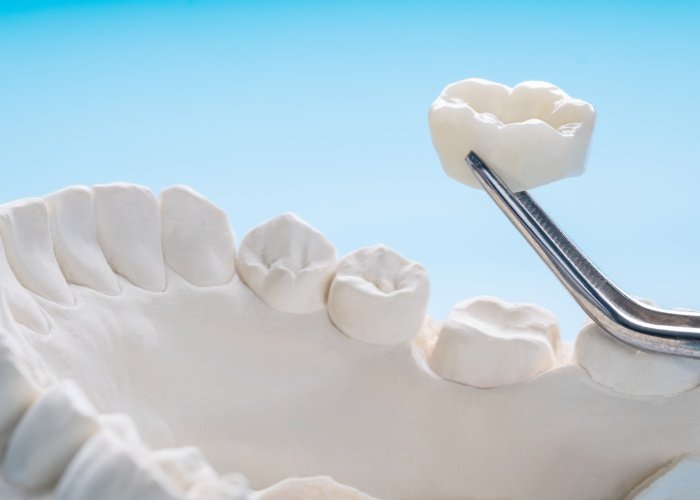
The cost of a dental crown begins at £500 in the UK and £120 in Turkey. Crowns protect the entire tooth and are suitable for very damaged teeth.
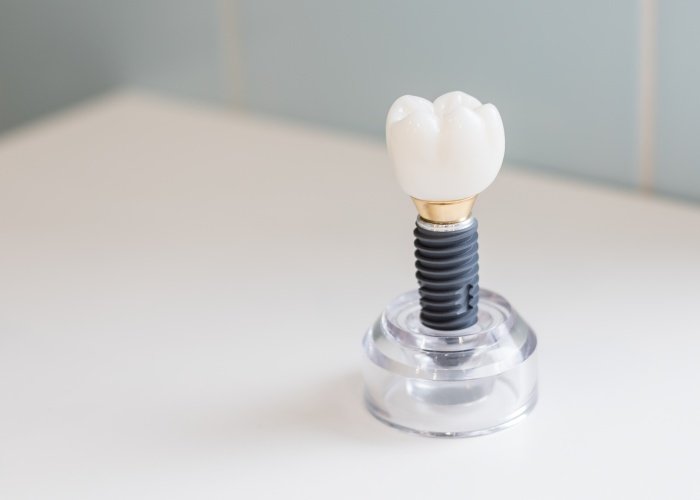
The cost of dental implants is higher: £1,000 in the UK and £430 in Turkey when performed after extraction. This restoration completely replaces the tooth.
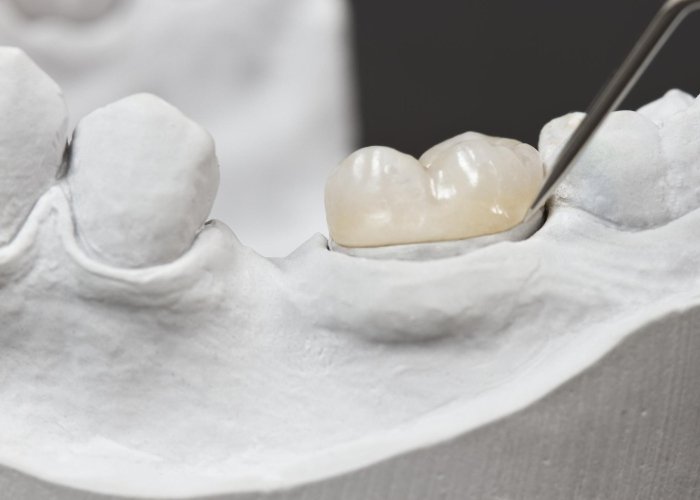
Dental inlays and onlays are used for cavities and chips that are too large for fillings, but do not require more invasive restorations. These start at £400 in the UK and at £130 in Turkey.
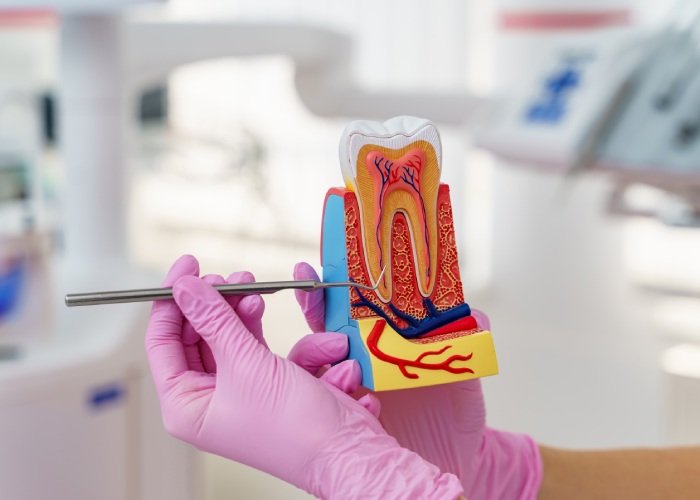
Tooth decay that is not addressed in time can lead to infection, requiring root canal treatment and a crown, starting at £1,100 in the UK and at £300 in Turkey.
All the treatments above are used to treat more severely damaged teeth than can be treated with fillings. If detected early, a filling treatment for minor tooth decay costs just around £40, much less than the alternatives. This helps save money and preserve oral health.
Dental Filling Process and What You Pay For
The tooth filling process consists of several steps and involves not only the procedure itself, but consultations and a dental checkup. These services, along with the dentist’s work, make up the final part of the filling’s total price.
So, what does the dentist do when you have cavities and want to have fillings placed? Below are the typical stages of this treatment process.
- Initial consultation and examination: The dentist will examine the damaged tooth and the surrounding area. An X-ray of the cavity may be taken.
- Local anaesthesia application: Dental fillings are placed under local anaesthesia to desensitise the tooth and adjacent tissues. As a result, the procedure is pain-free.
- Decay removal and cavity cleaning: The decayed material of the cavities is removed using dental instruments. Depending on the cavity’s size, this can take from 5 to 25 minutes.
- Filling placement, shaping, and polishing: The filling material is put into the cleaned cavity. Amalgams are placed in a single step, whereas composite resin is applied layer by layer. The filling is shaped, hardened, and polished. This step takes from 5 to 25 minutes.
In total, placing a filling takes 20 to 60 minutes, depending on the cavity size and the filling material.
How to Save on Dental Filling Cost
You may consider travelling to another country to have affordable cavity fillings placed without sacrificing quality. Dental tourism in Turkey offers an opportunity to get modern fillings at lower costs, even without insurance.
Dental fillings are less expensive than many other restorations. Travelling to Turkey gives the best cost savings on cavity treatments when you need to have several fillings placed.
Turkish clinics are also popular for their treatment package deals. Many patients travel to Turkey to have several restorations placed at once, such as fillings and crowns.
When offered under insurance, the difference in dental filling cost in Turkey vs the UK can be insignificant. In this case, you may prefer to have a filling placed at a local clinic.
Getting a filling in the UK can also be simpler if you only need a single filling. This is especially true if you are happy with either a white or a silver filling.
It is important to remember that a dentist’s experience and skill also influence the treatment’s price. Unusually cheap fillings can be a sign of low quality, so always check before deciding on your oral health.

Frequently Asked Questions About Dental Filling Cost
What is the average cost of a simple dental filling?
The average cost of a filling is £80-£300 in the UK and £60-£100 in Turkey.
How expensive is having a filling placed in the UK?
A filling is an NHS Band 2 treatment, currently available at £75.30. Fillings at a private dentist cost £60-£350.
How much does a cavity filling cost without insurance?
If you do not have health insurance, you can pay for a filling in the UK for £60-£350 and in Turkey for £20- £120.
How much does the price of a white filling differ from a silver filling?
White, or composite fillings, start at £40 in Turkey. Silver, or amalgam fillings, are available at £20.
Why are white fillings more expensive?
White fillings are more complex to place. They are applied and cured in layers, requiring more time, shaping, and experience.
Is getting a filling in Turkey less expensive?
Yes, since dental treatment prices in Turkey are lower than in the UK.
What is included in the cost of a filling?
The cost of tooth filling in Turkey includes the dental consultation and checkup, filling materials, the placement procedure, and post-treatment advice.
How long do fillings last?
Most types of fillings last from 5 to 10 years.
Ready to Get a Quote for Your Dental Filling?
If you are interested in affordable dental fillings in Turkey, send us your X-ray or photo to receive a free quote. Schedule an online consultation with our clinic in Antalya to let our dentists calculate a price estimate for your case in Turkey vs the UK.