+90 534 226 60 59
  Mon - Fri: 9:00-18:00; Sat: 9:00-17:30; Sunday: Closed

Dental implants in Turkey are durable, long-lasting tooth replacements, priced at £400-£800 per implant, compared with £1,500-£4,500 in the UK. With All-on-4 and All-on-6 implants, patients can receive a full set of new teeth for £2,500- £7,500.
Turkish dental implant packages contain:
- Implants and dental crowns/bridges
- Consultation, dental examination, and CT scans
- Implant surgery
- Hotel stay and necessary local transfers for the treatment duration
Get a fast quote based on your CT scans or X-rays, and take your first step towards high-quality dental implants.
Timescale
Dental implants in Antalya, Turkey require a 4-6 day stay, depending on the number and type.
Prices
Single dental implants in Antalya, Turkey start from £400 (Straumann Neodent). Prices differ based on brand of implants.
Guarantee
We offer a lifetime implant warranty and a 10-year crown warranty at our Antalya clinic.
Table of Contents
What are Dental Implants?
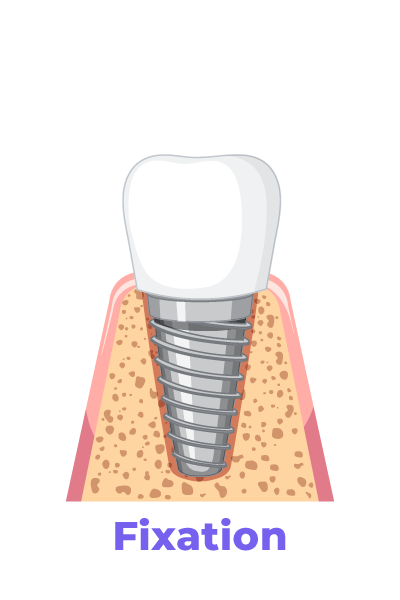
Dental implants replace tooth roots and can support dental restorations, such as crowns and bridges. Modern implants are screw-shaped fixtures made of titanium or zirconia. Implants are placed directly into the jawbone. Through a process called osseointegration, the implant fixtures form a durable attachment for crowns or bridges.
Because of this, dental implants feel and function more like natural teeth than their most popular alternative, removable dentures.
Dental Implants
- Feel more like natural teeth
- Allow for greater biting force
- Easier maintenance
- Preserve jawbone
- Long service life
- More expensive
- Require invasive dental surgery
- Long recovery period of 3-6 months
Removable Dentures
- Fast and minimally invasive treatment
- Affordable
- No long recovery period required
- Need to be removed daily
- Require an adjustment period to be worn comfortably
- Do not stop bone loss
- Require more frequent adjustments/replacements
Who Needs Implants?
Dental implants are used for people who have lost or are expected to lose teeth and whose current jawbone condition and general health are adequate for dental implant surgery.
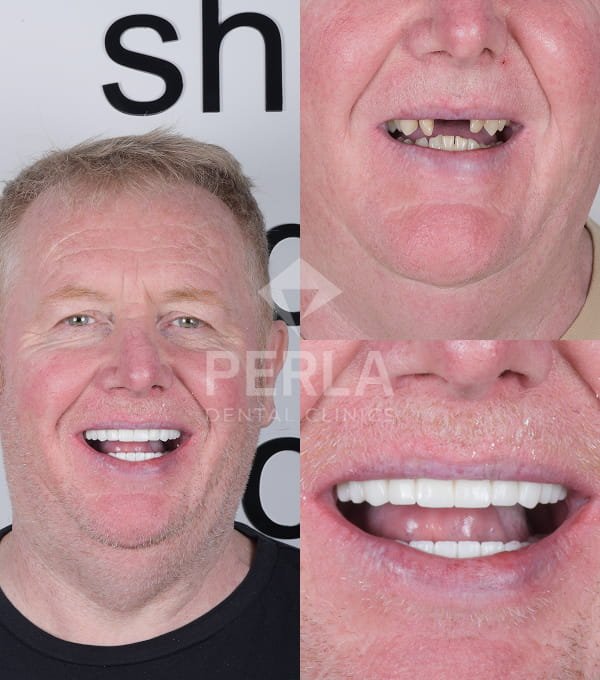
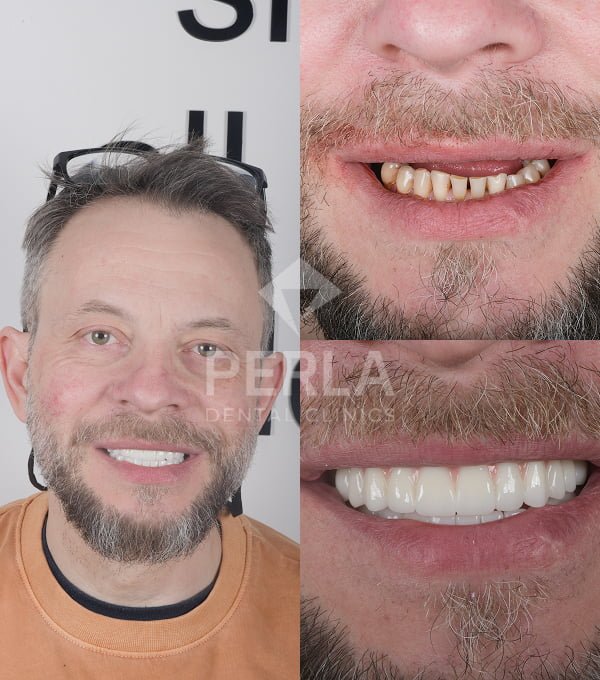
Temporary contraindications include ongoing jawbone structure development (people under 16-18 years of age), pregnancy, and recent radiation therapy.
Absolute contraindications include:
- Leukaemia, haemophilia, and other blood diseases
- Connective tissue diseases (e.g., systemic lupus)
- Uncontrolled diabetes
- High-dose irradiation of the jaws
- Current bisphosphonate therapy
- Ongoing medical treatments with several classes of medication, such as immunosuppressants and anticoagulants
Relative contraindications are ongoing gum disease (Periodontitis) and Osteoporosis. If the relative contraindications are managed, the patient may be a candidate for dental implants.
Types of Dental Implants
Different types of tooth implants can be used, depending on your needs and oral health. The types of implants differ in the number of teeth they can replace and the number of implant fixtures used for support.
Implant Brands
Astra Tech
A Swedish manufacturer of dental supplies. They offer great price-to-quality ratios, making their prostheses some of the most popular on the market.

Nobel Biocare
Nobel Biocare is the developer of the All-on-X standard. Their systems are perfect for people wishing to restore their entire dentition.
Straumann
One of the largest dental implant manufacturers. Straumann is a go-to brand for those expecting the highest quality.
When choosing between these brands, it is important to consider the treatment goals. Straumann implants promote rapid healing and are more stable at small diameters. Nobel Biocare excels in full-arch immediate loading systems. Astra Tech advances allow for good marginal bone maintenance.
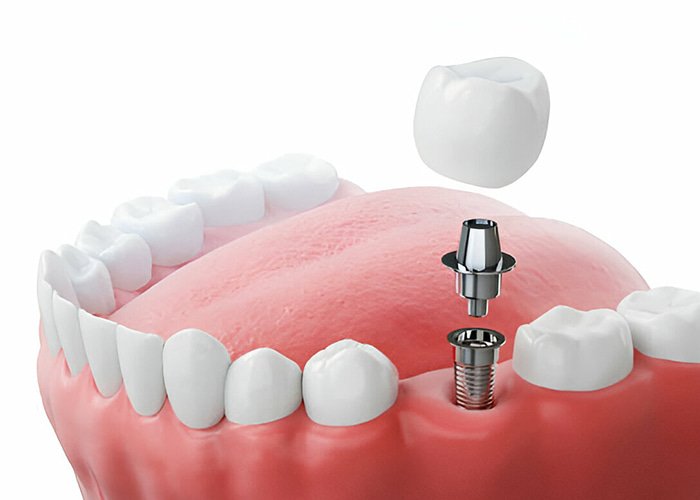
Single Dental Implant
Single dental implants use one crown per implant post, restoring a single tooth. These implants are suitable when you have only one missing tooth, or your missing teeth are spaced apart, and the adjacent teeth are healthy.
The price of a single dental implant in Turkey starts at £400.
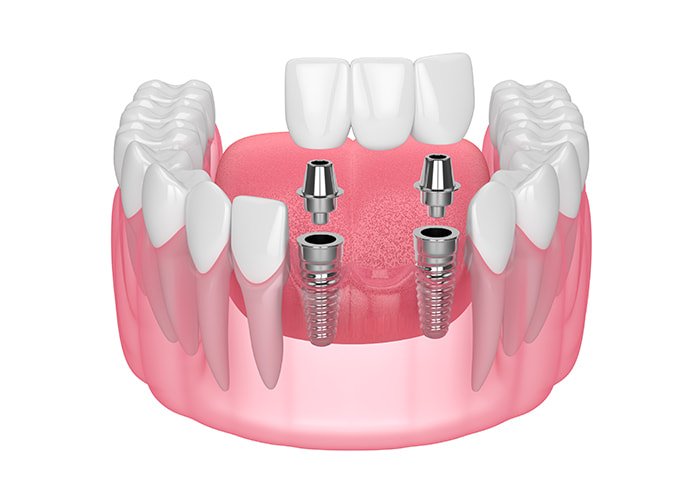
Implant-Supported Bridge
Implant-supported bridges use dental prostheses that replace several consecutive teeth with two or more implant posts. This is less expensive than using several separate single-tooth implants, as it requires only two implants for a short bridge and restores several teeth.
Implant-supported bridges start at £450 in Turkey.
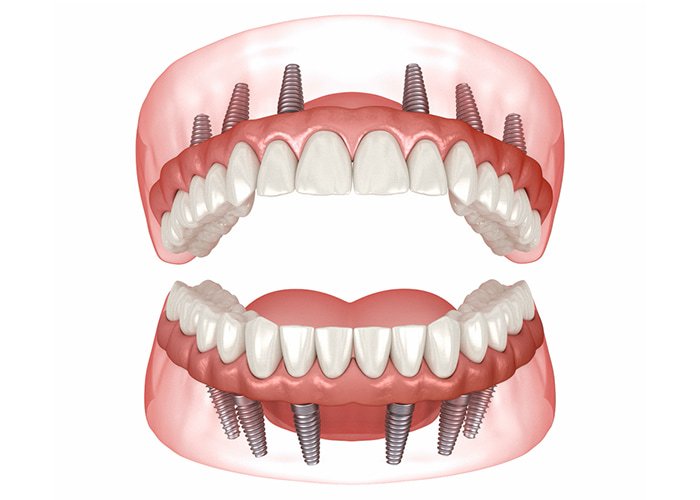
Full-mouth dental implants can consist of four to eight implant posts per jaw to support a combination of full-arch bridges, individual crowns, or smaller bridges, replacing all of the patient’s teeth. This solution is suitable for people who have sufficient bone density and no functional teeth.
Full-mouth implants in Turkey start at £7,000.
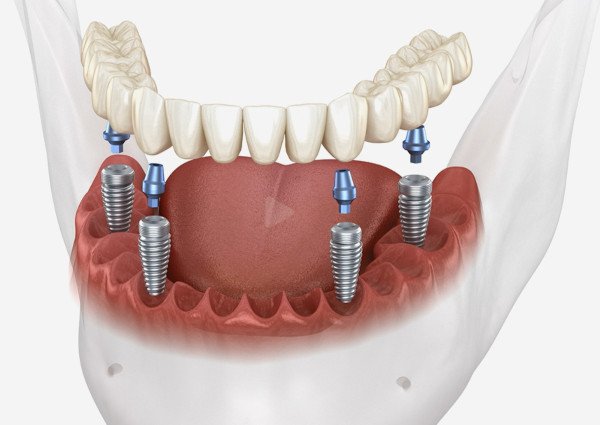
All-on-4 implant systems are full-arch bridges supported by four implant posts. By angling the posterior implants, they can connect to the denser parts of the jawbone that other systems cannot. This makes All-on-4 suitable for patients who have lost most teeth and wish to avoid bone grafts.
All-on-4 implants cost £2,500-£4,500 in Turkey.
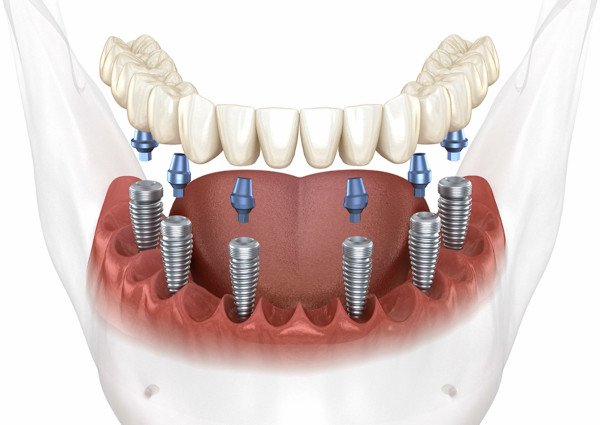
All-on-6 systems are full-arch bridges on six implant posts. These implants offer greater stability than All-on-4 systems by evenly distributing pressure. They place higher requirements on the patient’s jawbone. As such, some patients may require bone grafting to be eligible.
All-on-6 implants cost £3,000-£7,500 in Turkey.
Which Dental Implant Do You Need?
| Situation | Best solution | Why? |
|---|---|---|
| One missing tooth | Single implant | Preserves adjacent healthy teeth |
| Multiple consecutive missing teeth | Implant-supported bridge | Less expensive than per-tooth replacement |
| No functional teeth left | All-on-4 | Fast surgery and recovery |
| No teeth and high implant durability requirements | All-on-6 | Increased long-term stability |
Dental Implant Cost in Turkey and the UK
Dental implant cost is considerably higher than that of other dental restorations. As implants are rarely covered by dental insurance, many patients travel for cost-effective dental implant offers through medical tourism.
| Treatment | Price in Turkey | Price in the UK |
|---|---|---|
| Single Implant | £400-£1,000 | £1,500-£4,500 |
| All-on-4 (per jaw) | £2,500-£4,500 | £13,000-£18,000 |
| All-on-6 (per jaw) | £3,000-£7,500 | £15,000-£22,000 |
| Full mouth implants | £7,000-£13,000 | £25,000-£45,000 |
You can save up to 70% on dental implants in Turkey compared with UK clinics, even when using premium implant brands. This implant cost comparison is current as of 2026.
What Is Included in Dental Implant Packages?
A package deal in Perla Dental Clinics includes the necessary number of implants and crowns. Surgery, anaesthesia, and clinic fees are also included. All-inclusive packages also contain accommodation and necessary airport-hotel-clinic transfers for the duration of the treatment.
| Package | Price | Number of Implants | Number of crowns | Additional services |
|---|---|---|---|---|
| All-on-4 | £3,700 | 4 implants | 12 zirconia crowns | Consultations, CT scan, Accommodation, Transfers |
| All-on-6 | £4,500 | 6 implants | 12 zirconia crowns | Consultations, CT scan, Accommodation, Transfers |
| Full Mouth Implants | £9,000 | 12 implants | 24 zirconia crowns | Consultations, CT scan, Accommodation, Transfers |
Procedure: Step-by-Step
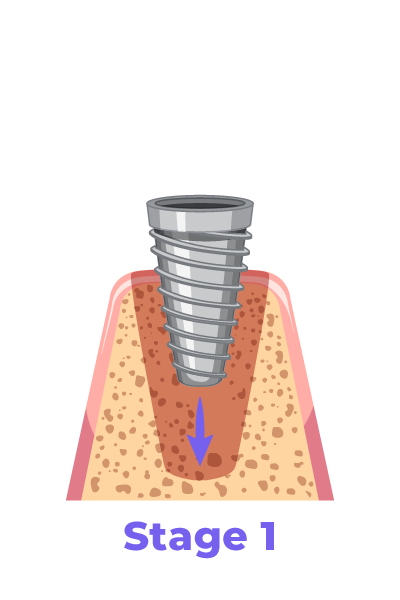
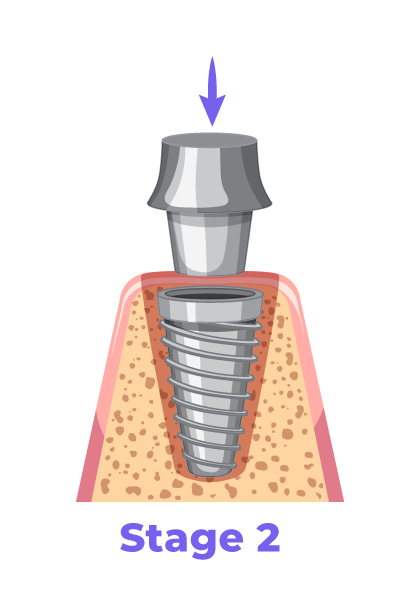
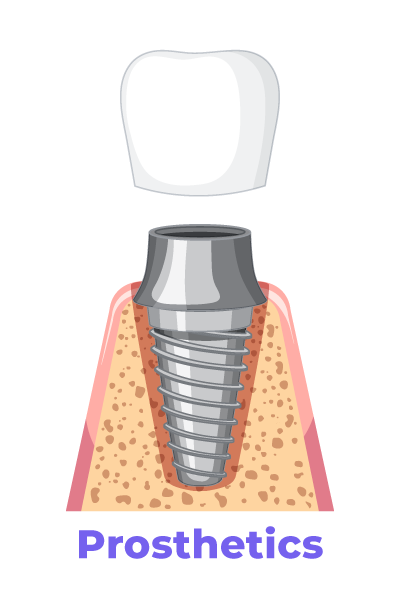
Implant installation procedures consist of two stages. Therefore the treatment requires two visits to Turkey, each lasting about a week. The healing period between visits is three to six months.
Step 1: Consultation & Planning
The initial consultation is required to evaluate the patient and create a treatment plan. The dentist will use CT scans to evaluate bone density and determine implant positions that provide necessary support to the restorations.
Step 2: Implant Placement
Implant surgery is done under anaesthesia. Once the surgical site is numbed, the dentist makes incisions in the gums to access the jawbone. Alternatively, a circular punch may be used. Using specialised drills, the dentist makes holes for implant fixtures and then places the fixtures into the jaw. If the patient has the necessary jawbone height, width, and density, same-day implants can be used. In this case, the dentist will place an interim bridge or crown immediately or shortly after placing fixtures. Otherwise, the gum flap is sutured over the implant posts, or they are covered with a special implant cap.
Step 3: Healing Period
The healing period after dental implant placement takes three to six months. It allows soft and hard tissues to recover after surgery, and enables the implants to complete osseointegration. Osseointegration is the defining process that makes tooth implants viable as tooth replacements. During osseointegration, the jawbone and the implant fixture form a connection, providing the implant with suitable structural support.
Step 4: Final Teeth Placement
Once dental implants have completed osseointegration, the provisional crowns or bridges should be replaced with permanent prostheses. Once the patient returns to Turkey, the dentist will make new dental scans to create accurate dental restorations. The crowns or bridges are made in a dental laboratory, fitted and adjusted as required over several days.
Bone grafts and sinus lifts can influence the treatment timeline. If you have insufficient jawbone density, it may still be possible to get tooth implants. A bone graft can improve jawbone condition by transplanting bone material to the site of bone loss.
Recovery Time & Aftercare
Full recovery after dental implant surgery in Turkey takes several months, but the initial several weeks are the most important for proper healing. It is crucial to exclude smoking and tobacco products for the entire duration of the healing period.
Day 1-3
Some soreness and swelling are expected. They can be reduced with painkillers and cold compresses. Avoid physical exertion. Eat soft foods only. You can carefully rinse your mouth a day after surgery.
Day 4-7
During this time, most of the pain and swelling should reduce steadily. You may introduce more food variety if it is not too hard to disturb the implants. At the end of the week, you may return to normal activities if they are not strenuous.
Week 2
Any swelling and bruising should be minimal by the end of the second week.
Week 3-4
The gums should be almost healed. You may return to your normal diet, though some sensitivity near the implant site may remain.
When following the dentist’s aftercare recommendations, the average success rate for implants in Turkey is over 95% at 5 years, and can reach up to 98% over 10 years.
Risks & Complications
Dental implant placement is a surgical procedure and is associated with certain risks. Most of the complications are preventable and treatable, as reflected in the high success rates of implant procedures.
| Complication | Probability | Solution |
|---|---|---|
| Swelling | Very common | Avoid strenuous activity after surgery. Apply ice packs. Take the anti-inflammatory medication prescribed |
| Bruising | Very common | Avoid strenuous activity. Elevate the head when lying down. Avoid sun exposure after surgery. |
| Bleeding | Common | Apply pressure (minor bleeding). Contact the dentist if bleeding persists for more than several days after surgery. |
| Peri-implantitis | Uncommon | Mechanical cleaning (early stages). Infected tissue removal. |
| Titanium Allergy | Rare | Titanium implant hypersensitivity can be tested for before placing implants. If the result is positive, zirconia implants should be used. |
| Implant Fracture or Failure | Very rare | Removal/replacement of the implant. |
Why Patients Choose Turkey for Dental Implant Treatment
Patients prefer Turkey for the widespread availability of premium dental implants at prices up to 70% lower than in the UK. There are also many options for single-tooth and full-mouth treatments, as well as comprehensive treatment packages.
The two-stage treatment allows the patient to spend their free time in Turkey as a holiday, especially during the second visit.
Take the First Step to Get Dental Implants in Turkey
Start your journey towards a better smile with our dental team’s premium Straumann, Nobel Biocare, and Astra Tech implants, available from £430.
Planning a treatment at our clinic is easy and transparent with all-inclusive package deals that include consultations, implant surgery, accommodation, and local transfers.

Medically reviewed by:
Dr. Onur Ademhan
Oral and Maxillofacial Surgeon
Founder and CEO of Perla Dental Clinics. Graduated from Ankara University Faculty of Dentistry and specialized in Oral and Maxillofacial Surgery at Gazi University.
Frequently Asked Questions About Dental Implantation
Are Dental Implants Painful?
Dental implant surgeries are performed under anaesthesia, so the procedure itself isn’t painful. Patients can expect some aches and bruising during the initial recovery period.
How to Choose a Dental Clinic in Turkey?
When choosing a dentist in Turkey, look for patient reviews, the dentist’s credentials, the types of implants available, and the clinic’s accreditation. The clinic should be able to answer all your questions about treatment when you contact them and provide you with an estimated quote based on your current dental condition.
How Many Visits to Turkey Are Needed?
Getting dental implants in Turkey requires two trips. Permanent prostheses can only be loaded after a recovery period of three to six months. This is true even for same-day dental implants, which require replacing temporary prostheses with permanent ones.
How Much Do Tooth Implants Cost in Turkey?
The price of a single dental implant in Turkey ranges from £430 to £1000. The actual cost of dental treatment depends on the scope of treatment, the implant brand, and the dental surgeon’s experience.
Is Turkey a Good Place for Dental Implants?
Turkey is a popular destination for dental tourism, offering affordable treatments that are not covered by the NHS or standard health insurance. For example, in 2023, 150,000 dental tourists from the UK visited Turkey, with around 30% of them coming for dental implants.
How Long Do Turkish Dental Implants Last?
The lifetime of a dental implant varies depending on the brand and the patient’s condition. The implant posts placed in Turkey can last a lifetime. The service life of implant prostheses (crowns/bridges), however, is more limited, and they may require replacement after 10 to 15 years.
Are Dental Implants Cheap in Turkey?
Turkish teeth implants are very affordable. In a 2025 study, 94% of dental tourists reported a lower price than in their home country.
Are Dental Implants in Turkey Worth It?
Getting implants in Turkey allows you to save time and money on implants from leading brands, such as Nobel Biocare and Straumann, and combine a trip with a holiday.
Are Dental Implants in Turkey Safe?
Accredited dental clinics in Turkey meet the international standards of dental care. Turkey has many experienced dental implantologists who can achieve exceptional treatment success rates. However, as with any country, treatment quality can vary between clinics.
Are Dental Implants in Turkey Covered by Insurance?
Dental implants are only rarely covered by common medical insurance. Refer to the terms of your insurance to see if you are eligible for partial reimbursement when going abroad for dental implants.
Note that the government of Turkey has introduced a mandatory medical-complication insurance requirement in 2026. This requirement is awaiting a final ruling before it can be enforced as of March 2026. However, be aware that the situation could change if you are planning treatment at a later date.