+90 534 226 60 59
  Mon - Fri: 9:00-18:00; Sat: 9:00-17:30; Sunday: Closed

The most important difference between veneers vs Lumineers is the thickness of the restoration. Lumineers are, on average, up to three times thinner than conventional dental veneers. This can help solve minor cosmetic dental issues through a less invasive procedure.
This article examines the key differences between Lumineers and traditional veneers and can help you determine which dental restoration best suits your needs.
For more details about Lumineers treatment, visit our Dental Lumineers page.
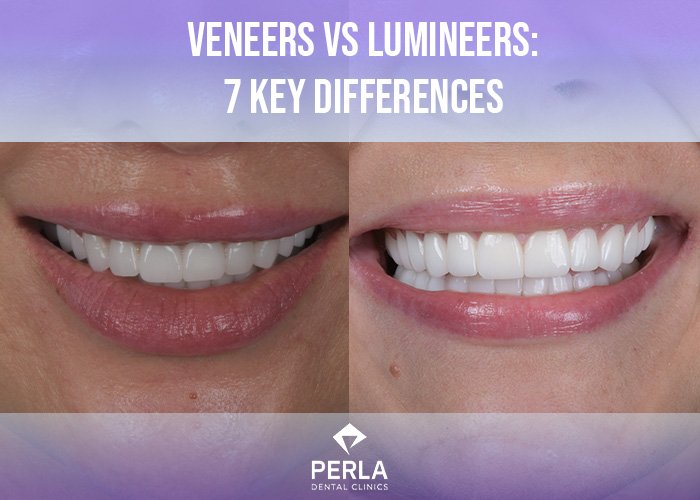
Table of Contents
What Are Veneers and Lumineers?
Dental veneers are shaped like thin shells. They can be made from ceramic or composite materials. These shells are attached to prepared teeth to change their appearance, correct defects such as cracks or localised discolouration, or close gaps between teeth. Veneers cover the anterior part of the tooth and can partially cover its sides and the biting edge.
Lumineers are a brand of ultra-thin veneers manufactured from a proprietary dental ceramic. Because they can be 3 times thinner than conventional veneers, they can sometimes be placed without removing any natural enamel, making them less invasive and potentially reversible.
Key Differences Between Veneers and Lumineers
Conventional veneers and Lumineers differ in several key criteria. Their differences influence their use cases, reversibility, and the range of dental issues for which they are well-suited.
| Key Factor | Lumineers | Veneers |
|---|---|---|
| Tooth Preparation | No to minimal | Some preparation required |
| Thickness | 0.2-0.3 mm | 0.5-1.0 mm |
| Durability | Average (High material strength, but thin restoration) | Average to high (varies with material) |
| Lifespan | 10-15 years | 5-10 years (composite) 10-15 years (porcelain) |
| Reversibility | Possibly reversible | Irreversible |
| Tooth Preservation | Preserves most or all of the natural structure | Preserves less of the natural structure |
| Appearance | Highly natural, suitable for minor cosmetic defects | Depends on the material, suitable for larger cosmetic defects |
Tooth Preparation and Thickness
The thickness of conventional veneers is highly variable because they can be extensively customised and are made from a broad range of dental ceramics and composites. Most conventional veneers are 0.5-1.0 mm thick. Lumineers can be made as thin as 0.2 mm. They can maintain structural integrity at such low thickness due to the special composition of the ceramic from which they are manufactured.
The thickness of a veneer influences the amount of tooth preparation required to place it. Tooth preparation refers to the partial removal of the enamel to accommodate the placement of a dental restoration. Conventional veneers require 0.3-0,7 mm reduction.
Lumineers can be used without any enamel reduction or with only a minimal reduction. They can often be placed without anaesthesia and do not require temporary veneers to be worn between clinic appointments while the permanent veneers are being manufactured.
Durability and Lifespan
The durability of conventional veneers depends on the material. They can be made from a range of ceramics (feldspathic porcelain, lithium disilicate) and composite materials. Lumineers are made from leucite-reinforced glass ceramic. This material is almost twice as durable as comparable feldspathic dental porcelain, with a flexural strength of 160 MPa compared to approximately 90 MPa.
It should be noted that conventional lithium disilicate veneers (flexural strength of 360 MPa) can be even more durable.
The lifespan of a dental veneer is determined by its material, tooth preparation, and the patient’s overall dental health. Lumineers are most similar to feldspathic porcelain veneers in appearance and can last 10-15 years, assuming proper care. The survival rate for indirect laminate veneers is 91.3% after seven years. However, Leucite-reinforced ceramics (Lumineers) show a slightly lower rate of aesthetic complications over time, 17.89% vs 19.64% for feldspathic veneers.
Reversibility and Tooth Preservation
The reversibility of veneer treatments varies with the extent of tooth preparation. Conventional veneers are generally irreversible, since the amount of tooth reduction required for them means the tooth must be permanently covered with a dental restoration.
Lumineers installed without tooth reduction are potentially reversible. Although the tooth’s surface still needs to be treated with a special solution to improve adhesion, it may be possible to restore the tooth to its natural appearance after removing the restoration by polishing.
Veneer tooth preservation is directly related to the extent of tooth preparation required for placing the veneer. The less natural material is removed, the more of the original tooth is preserved. For this reason, Lumineers can preserve more of the treated tooth compared to conventional veneers.
Appearance and Natural Look
The appearance of the tooth treated with a conventional veneer or a Lumineer depends on its original condition. Conventional veneers are thicker, and their translucency can be adjusted during fabrication. As such, they can conceal more severe discolouration and damage. Lumineers, due to their thinness, are better suited for masking localised discolouration, shallow cracks, or tooth gaps.
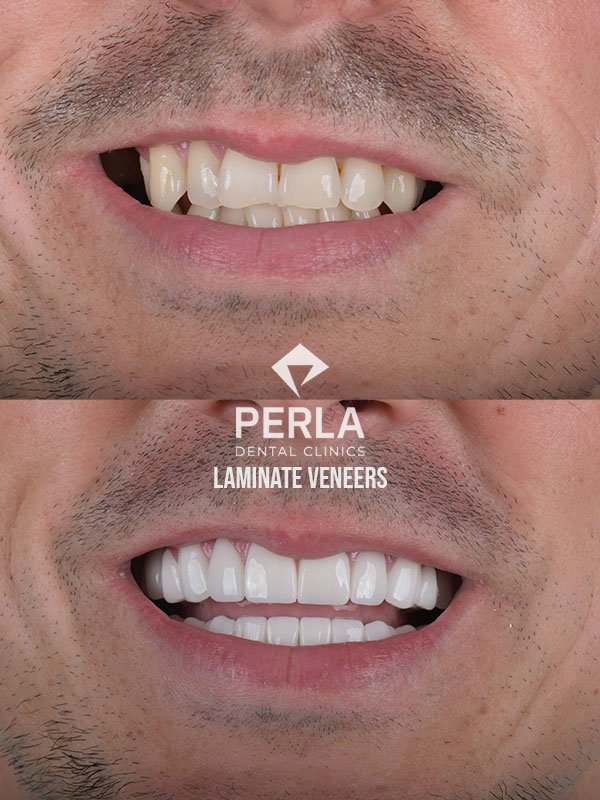
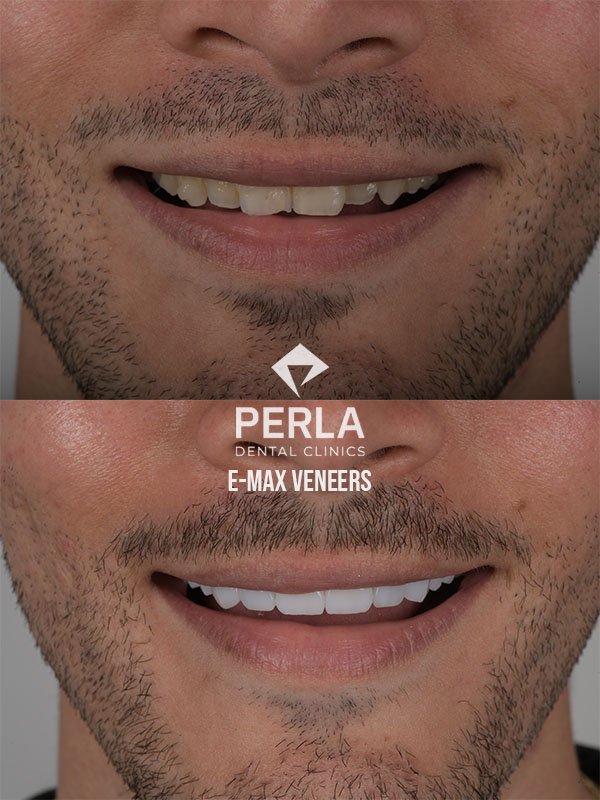
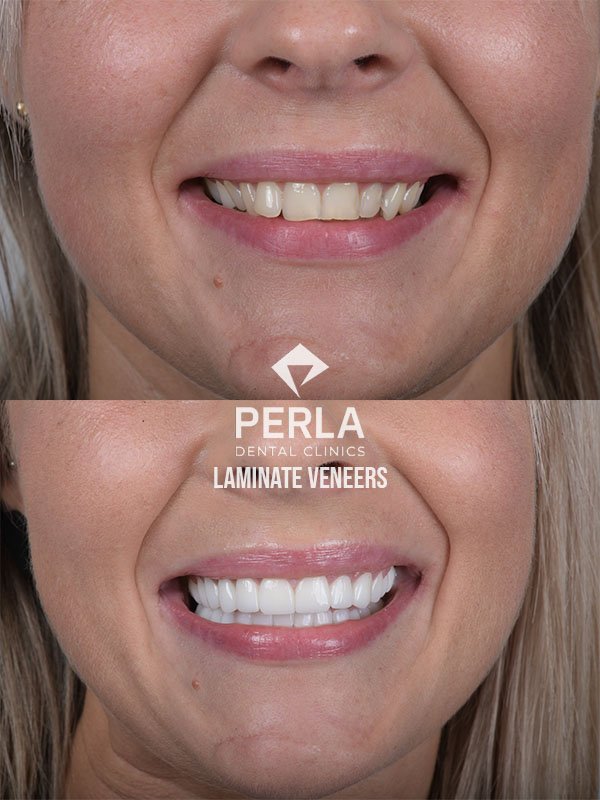
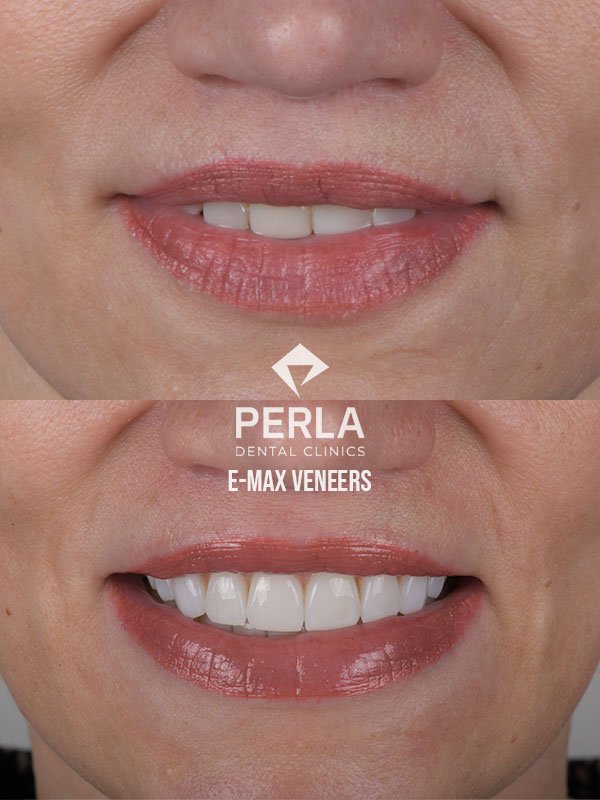
Lumineers have a very natural look because they are highly translucent. Porcelain conventional veneers can also look very similar to natural tooth enamel. Composite veneers can look less natural and are more opaque.
Cost Comparison
Lumineers can be more expensive than cheaper conventional veneers, such as composites and some ceramics. However, the most durable and aesthetic conventional veneers, such as Emax (lithium disilicate), are more expensive than Lumineers.
Veneer price differences between countries are significant. In Turkey, veneers and Lumineers can cost up to 70% less than in the UK. Veneer price comparison below is current as of 2026.
| Treatment | Cost in Turkey | Cost in the UK |
|---|---|---|
| Lumineers | £150-£500 | £900-£1200 |
| Conventional Veneers | £125-£450 | £400-£1500 |
Risks, Side Effects, and Limitations
Both veneers and Lumineers have similar limitations and should not be used for patients with:
- Periodontal disease
- Gingivitis
- Extensive damage to the treated tooth
- Bruxism
As minimally invasive treatments, Lumineers generally pose no serious health risks. Some short-term temperature sensitivity or gum irritation can occur if tooth reduction is performed. Studies show that ceramic Lumineers do not affect gingival health, provided the patient has good oral hygiene.
Maintenance and Aftercare Requirements
To prolong the service life of your veneers or Lumineers, be sure to follow these simple tips:
- Use a soft toothbrush and non-abrasive toothpaste when brushing your teeth.
- Floss daily, particularly at the veneer-tooth margin.
- Avoid hard or sticky foods that can de-bond the veneers.
- Visit the dentist regularly for check-ups and professional cleaning.
While Lumineers are not recommended for patients with bruxism, in some cases, they can be used, provided the patient wears a night guard during sleep to protect the veneers.
Veneers vs Lumineers: Pros and Cons
Lumineers and veneers have specific advantages and disadvantages, making them better suited to fixing different aesthetic defects.
Traditional Veneers Benefits:
- Effective for hiding cracks and deep stains
- Generally more durable
- More control over the final restorations’ shape and thickness
Traditional Veneers Drawbacks:
- Requires some tooth reduction
- Irreversible
- May cause short-term tooth sensitivity
Lumineers’ advantages arise from their thin profile and non-invasive placement procedure.
Lumineers Benefits:
- Potentially reversible procedure
- Can be placed without anaesthesia
- No need for temporary veneers
Lumineers Drawbacks:
- Can’t conceal deep cracks or severe discolouration
- Less durable than traditional porcelain veneers
Dental Lumineers and Veneers: How to Choose the Right Option
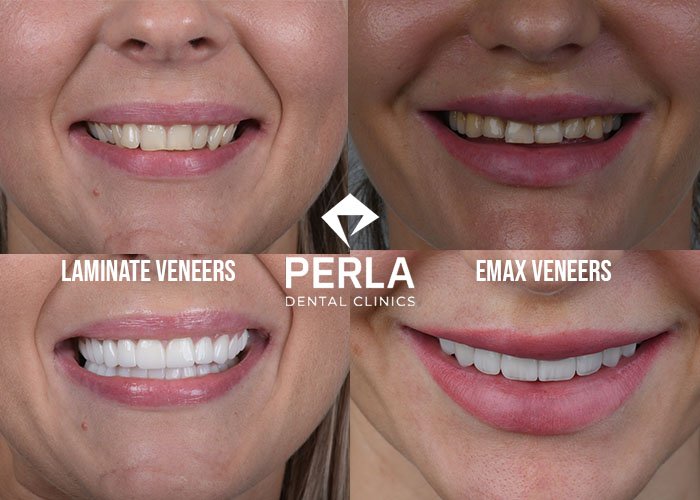
When choosing between dental veneers and Lumineers, it is important to consider your needs and dental condition. Lumineers are better suited for restoring smaller dental imperfections and can be placed with little to no enamel shaving. If you want a potentially reversible treatment to hide a small crack, close a gap between teeth, or subtly change the shape of a tooth, Lumineers can be a preferable solution for your case.
On the other hand, traditional veneers can conceal deeper cracks and chips, make your teeth appear straighter, or permanently whiten severely discoloured teeth. Traditional veneers require some tooth preparation and are irreversible, but are often more durable than Lumineers.
If you are unsure whether veneers or Lumineers are the better option for you, you can get a free online consultation at our clinic.
Frequently Asked Questions About Veneers vs Lumineers
What Is the Primary Difference Between Veneers and Lumineers?
The main difference is the thickness of the veneer shell. Lumineers are on average three times thinner, allowing them to be used for no-preparation treatments. This makes Lumineers potentially reversible, unlike conventional veneers.
Do Lumineers Require Tooth Shaving Like Traditional Veneers?
Lumineers can be placed without removing natural enamel. In some cases, some tooth preparation is recommended to prevent the treated tooth from looking too bulky, but it is not strictly necessary for placing the restoration.
How Long Do Veneers and Lumineers Last?
The survival rate of indirect laminate veneers is 91% after seven years. Based on this, patients can expect their veneers and Lumineers to last for 10-15 years.
Are Lumineers as Durable as Porcelain Veneers?
Traditional veneers are usually stronger than Lumineers. While Lumineers’ leucite-reinforced glass ceramic is more durable than traditional feldspathic porcelain, Lumineers are very thin and more susceptible to damage as a result.
Which is More Expensive: Veneers or Lumineers?
Lumineers can be more expensive than some types of traditional veneers, but are cheaper than high-end Emax restorations. The precise prices can vary widely depending on restoration and location.
Do Veneers or Lumineers Damage Natural Teeth?
Neither treatment is intended to damage natural teeth when performed correctly. While some tooth preparation is required when placing veneers, the amount of enamel removed does not make the tooth less durable. The removed enamel is covered by the veneer so that the tooth stays protected.
Who is a Good Candidate for Lumineers vs Veneers?
Lumineers are suitable for people with minor cosmetic dental imperfections who want a minimally invasive procedure to conceal them long-term. Veneers are good for more severe damage and discolouration, but the procedure requires more tooth preparation.
Which Option Looks More Natural: Veneers or Lumineers?
The aesthetic outcomes of Lumineers and veneer treatments can vary. Lumineers provide a more natural aesthetic compared to composite restorations. Porcelain and Emax veneers can provide results similar to Lumineers, though they are thicker, which makes them more suitable for deeper cracks and darker staining.

Medically reviewed by:
Dr. Onur Ademhan
Oral and Maxillofacial Surgeon
Founder and CEO of Perla Dental Clinics. Graduated from Ankara University Faculty of Dentistry and specialized in Oral and Maxillofacial Surgery at Gazi University.