+90 534 226 60 59
  Mon - Fri: 9:00-18:00; Sat: 9:00-17:30; Sunday: Closed

Maryland bridge is a conservative treatment most often used to replace one or two anterior teeth. Unlike other dental bridges, there is no need to shave off healthy neighbouring teeth for support.
This article explores the common materials and use cases for these bridges, as well as indications and post-treatment care.
Maryland bridges are just one type of dental restoration. You can learn more about different dental bridge options or explore our dental crowns treatment page for related restorative solutions.
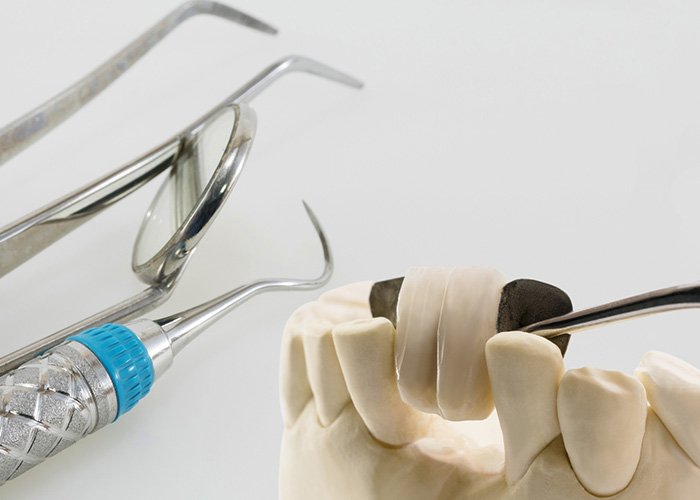
Table of Contents
What Is a Maryland Bridge and How Does It Work?
A Maryland bridge is a type of minimally invasive dental bridge. It adheres to the adjacent teeth with resin-bonded fixed wings, which is why it can also be called a resin-bonded bridge.
These restorations are bonded to the back of the teeth, so the supporting framework is not visible. This allows a dentist to restore a missing tooth without preparing the teeth on either side to support dental crowns.
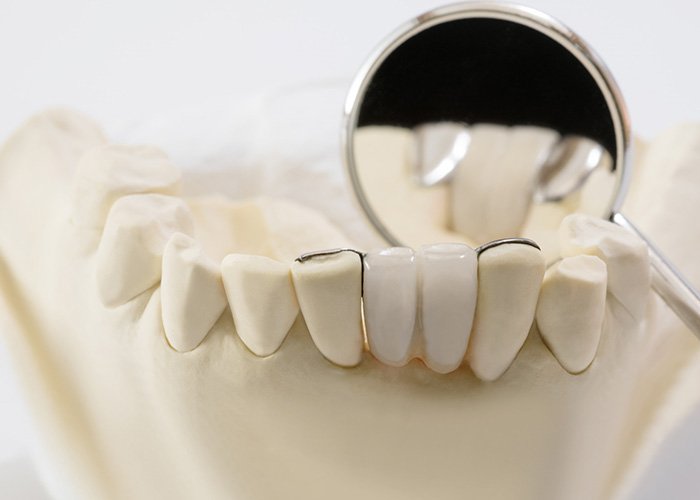
How a Maryland Dental Bridge Replaces Missing Teeth
A Maryland tooth bridge replaces only the visible half of the tooth. Unlike dental implants, which replace a missing tooth root, dental bridges sit completely above the gums and are supported by adjacent teeth.
For most bridges, the teeth are permanently modified and fitted with crowns, which support the pontics, the elements that serve as artificial teeth, on both sides. In contrast, resin-bonded bridges require minimal tooth preparation and are reversible.
When Dentists Recommend a Maryland Bridge
Maryland bridges are preferred in cases where permanent modifications are undesirable, for example, in younger patients whose jawbone development is ongoing, patients with ongoing orthodontic treatment, patients with insufficient bone density for dental implant procedures, or used as an interim solution. Another common use is for restoring front teeth, which allows the natural tooth structure to remain intact for a better aesthetic outcome.
Who Is a Suitable Candidate for a Maryland Bridge?
Good candidates include patients with a missing front tooth in the aesthetic zone and younger patients whose ongoing jaw development precludes the use of other restorations.
Eligible patients should have:
- Missing at least one tooth in the anterior region.
- Enough dental enamel for attaching the bridge.
- Stable supporting teeth.
- Good oral hygiene.
When a Maryland Bridge May Not Be Suitable
This type of bridge is not a preferred option in several cases. They include:
- Replacing molars.
- Unstable or damaged neighbouring teeth.
- Severe gum disease.
- Replacing more than two consecutively missing teeth.
What Types of Dental Maryland Bridges Are Available?
There are several types of resin-bonded bridges, which differ in the material of the wings. This affects their stability and can potentially influence the appearance of the restored smile.
| Type | Material | Best For | Key Benefit | Success Rate (over 5 years) |
|---|---|---|---|---|
| Metal Wing Bridge | Metal Alloy | Teeth that experience heavier pressure | Durability | 88% |
| Zirconia Maryland Bridge | Zirconia (non-metal ceramic) | Highly visible teeth | Aesthetics | 92% |
| Fibre-Reinforced Composite Bridge | Composite material strengthened with glass fibre | Immediate restoration | Fast procedure | 84% |
Metal Wing Maryland Bridges
These bridges have metal wings for support. The metal framework is resin-bonded to the anchoring teeth and can be more durable than the alternatives. However, the wings can create a grey shadow if they shine through the teeth.
Zirconia Maryland Bridges
Zirconia wings are tooth-coloured and durable, making them a good choice for cases where the final appearance of the restoration is very important. Zirconia adhesive bridges tend to cost more than alternatives, but have a higher long-term success rate. The bridge can use only one wing (cantilever bridge)
Fibre-Reinforced Composite Bridges
These bridges use composite pontics supported by glass fibres. The procedure can be performed chairside, making it faster, since the patient does not need to wait for the bridge to be manufactured in the dental lab. Because of this, they are often used for provisional or long-term restoration.
Maryland Dental Bridge Treatment Step-by-Step
The Maryland bridge procedure consists of three main stages: initial preparation, bridge fabrication and placement, and recovery. The procedure can require one or two visits to the clinic, depending on the type of restoration.
Consultation and Tooth Preparation
The dental treatment starts with a consultation, during which the dentist will assess the patient’s current oral health and help determine if the treatment is an optimal choice. After the consultation, the patient’s teeth need minimal preparation.
The areas of the teeth where the wings are attached are etched with a special solution to enhance adhesion between the wings and the tooth surface. It may also be necessary to remove a thin layer of material to make space for the wings, to prevent the teeth from feeling bulky. The dentist then takes dental scans of the patient’s teeth, which are used in the lab when fabricating the restoration.
Bridge Placement and Final Adjustment
The patient’s dental restoration can be placed once it is ready. First, the dentist will check whether it fits properly without bonding the wings to the prepared teeth. If everything is satisfactory, the bridge is bonded to the teeth using special dental resin or cement. Once placed, the dentist checks the bite and other parameters and makes small adjustments to ensure the restored tooth feels comfortable and looks natural.
Recovery and Getting Used to the Bridge
Since dental bridges are minimally invasive, recovery is brief. Eat soft foods only for the first 24 hours after treatment to avoid disturbing the restoration. Avoid biting directly on the restored tooth.
The restoration may not feel like a natural part of your dentition for the first few weeks. This is normal, and an adjustment period is required for most patients. You should become used to it within a week or two after the procedure.
What Are the Advantages and Disadvantages of Maryland Bridges?
The main benefits of dental resin-bonded bridges are their minimally invasive nature, a brief procedure that can be performed without anaesthesia, and the ability to be used for patients who are not eligible for other tooth restorations. However, these restorations are not as durable or long-lasting as the alternatives.
Key Benefits of Maryland Bridges
- A minimally invasive procedure that does not require preparing adjacent healthy teeth in a way that drastically reduces their natural structure.
- Suitable for temporary and long-term use.
- Can be placed without anaesthesia.
- More affordable than most other tooth loss
Possible Risks and Complications
- The restoration can debond under heavy pressure, so the patient should avoid biting hard foods directly on it.
- Secondary tooth decay can cause the entire bridge to fail, since the stability of the pontic depends on the health of the neighbouring teeth.
- Without good oral hygiene, gum irritation and periodontitis can occur due to bacterial buildup.
- In the case of metal restorations, the wings can show through thin teeth.
How Long Does a Maryland Bridge Last?
The average survival rate for all types of Maryland bridges is approximately 88%. The patient can expect their restoration to last 5-10 years with proper care.
Factors That Affect Durability
Bridge debonding has the highest impact on the tooth restoration’s survival rate. The percentage of debonded restorations over 5 years is 19%. Periodontitis and caries account for another 3% of bridge failures. To maximise the service life of the restoration, it is important to maintain excellent dental health and pay attention to the diet, for example, by avoiding biting into hard foods and precutting them.
What Is It Like to Live with a Maryland Bridge?
Once you get used to the bridge, it can feel very natural. However, it is not as strong as your own teeth and requires careful cleaning and good dental care. It is important to remember this to maintain the bridge for its expected lifetime.
Eating With a Maryland Bridge
When eating with a Maryland tooth bridge, try to minimise the amount of pressure it experiences. When eating firm foods, ensure that you do not bite them with the restoration only. It is best to limit sticky and very hard foods, or cut them so you can eat them without letting the bridge come into contact with them.
Cleaning and Daily Care Tips
Cleaning dental bridges requires special attention to the spaces under the restoration. Unlike natural teeth, the pontic lacks a root, so bacteria and debris can accumulate beneath it.
When brushing your teeth, use a water flosser or special brushes to clean under the restoration. Use interdental brushes to clean areas near the wings of the bridge. Rinse with antibacterial mouthwash to help protect the restoration.
How Much Does a Maryland Bridge Cost?
The cost of a dental bridge depends on several factors, including its size, type, and clinic location.
| Bridge Type | Price in Turkey | Price in the UK (private care) | Price in the USA | Price in Europe |
|---|---|---|---|---|
| Metal Wing | £150-£450 | £600-£1200 | $1500-$2500 | €700-€1200 |
| Zirconia | £200-£550 | £800-£1500 | $2000-$4500 | €900-€1500 |
| Fibre-Reinforced Composite | £150-£450 | £550-£1000 | $1000-$2000 | €600-€1100 |
The prices above are current for 2026.
Maryland Bridge vs Other Tooth Replacement Options
Maryland bridges offer a fixed, minimally invasive alternative to removable partial dentures, invasive dental implant procedures, or conventional dental bridges, which require more tooth preparation. However, they are less durable than other fixed alternatives.
Maryland Bridge vs Dental Implant
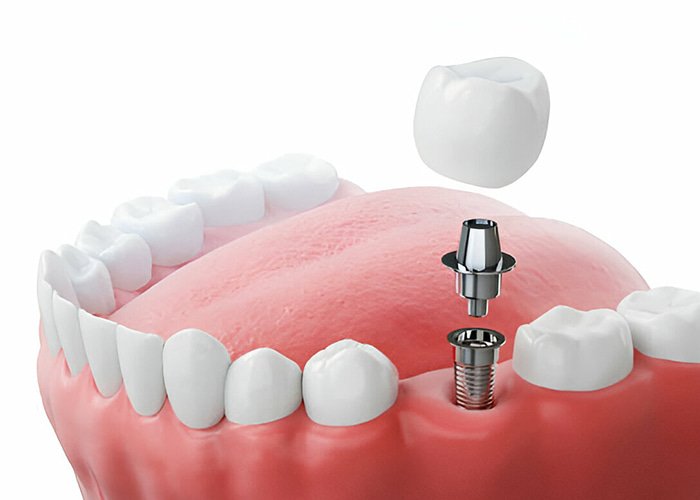
A dental implant treatment replaces the entire tooth, including the root. Unlike bridges, implant surgery places significant demands on the patient’s jawbone dimensions and density. While more expensive, dental implants feel more similar to other fixed restorations and allow the patient to use full biting and chewing forces.
Maryland Bridge vs Traditional Bridge
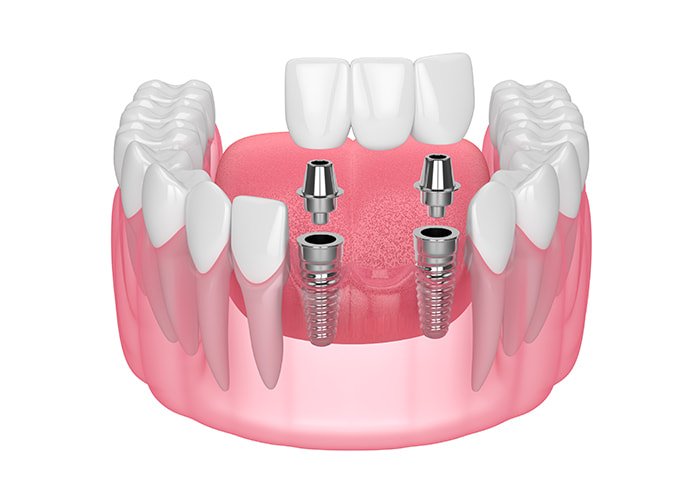
A regular dental bridge is supported by crowns fitted on neighbouring teeth and is more stable than Maryland bridges. Traditional dental bridge procedures are not suitable for young patients, as they modify the teeth too much to be used as an interim restoration.
Maryland Bridge vs Partial Denture
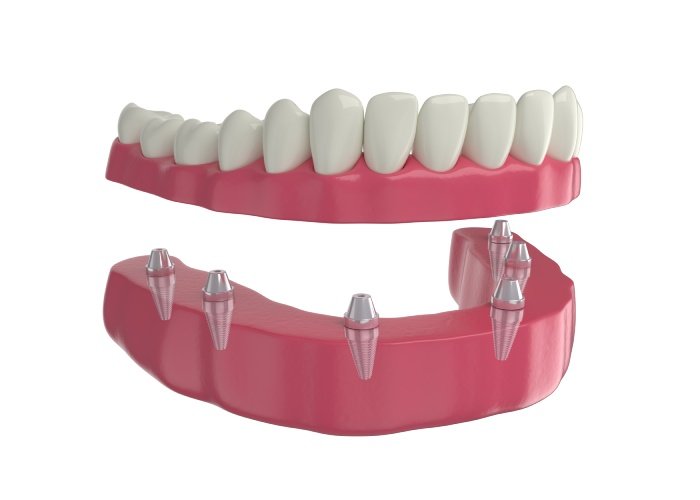
A partial denture is a removable alternative dental restoration that rests almost entirely on the patient’s soft tissues. This can be the least invasive treatment option, but the restoration does not feel like natural teeth and takes more time to get used to.
Maryland tooth bridges are more affordable than other fixed restorations and are suitable for a wide variety of cases. Available in different materials, they allow patients to choose the restoration based on whether durability or aesthetics are preferred.
If you are unsure what type of Maryland bridge is right for you, contact our dental clinic for a free online consultation and let our doctors advise you.
Frequently Asked Questions About Maryland Bridges
How Many Teeth Can a Maryland Bridge Replace?
They can restore one or two missing teeth in most cases, but replacing one missing tooth is preferred for stability.
Is Getting a Maryland Bridge Painful?
No, it is not painful. The procedure does not require extensive tooth preparation and can often be performed without anaesthesia, making it suitable for patients with dental anxiety.
Can a Maryland Bridge Fall Out?
Yes, the bridge can debond and fall out. This can happen if it is under constant heavy pressure, or when its service life is nearing the end. The chance of debonding is 19% within 5 years after treatment.
Does a Maryland Bridge Damage Natural Teeth?
No, this is a conservative, minimally invasive treatment that preserves the natural tooth as much as is viable for a stable support. The patient won’t need to wear crowns permanently, even when the bridge is removed.
Can a Maryland Bridge be Repaired?
If it has come off due to adhesive failure, the restoration can be reattached at a dental clinic. If the tooth bridge is mechanically fractured, repair may be impossible.

Medically reviewed by:
Dr. Onur Ademhan
Oral and Maxillofacial Surgeon
Founder and CEO of Perla Dental Clinics. Graduated from Ankara University Faculty of Dentistry and specialized in Oral and Maxillofacial Surgery at Gazi University.