+90 534 226 60 59
  Mon - Fri: 9:00-18:00; Sat: 9:00-17:30; Sunday: Closed

Tooth extraction is a widely used procedure that can be performed in several different ways. In Turkey, most patients have their teeth extracted before undergoing a tooth replacement treatment, such as dental implants. Nevertheless, it is not uncommon to undergo this procedure for other causes.
In this guide, we will explain everything you need to know about the cost of tooth extraction and the factors that influence the price of treatment. This article will help you better understand how tooth extraction prices in Turkey compare with those in the US and UK, and what patients can typically expect to pay in 2026.

Table of Contents
What Is Tooth Extraction and When Is It Necessary?
Tooth extraction is a process used for removing a tooth from its socket. It is performed by a dentist or dental surgeon when a tooth cannot be saved by other means or during an emergency treatment.
Common Reasons for Tooth Removal
You may need to remove a tooth due to the following reasons:
- Deep decay or cavities
- Dental damage that cannot be repaired
- Crowded or impacted teeth
- Infection with poor prognosis
- Loosening of the tooth due to gum disease
When a Tooth Can Be Saved Instead
If the damage to the tooth is not excessive, it is often possible to restore it with a filling or a crown. Similarly, an infected tooth can often undergo root canal treatment by removing the infected soft tissue and preserving its structure.
Emergency vs Planned Extraction
A planned extraction is the most common type. It means you have a scheduled appointment during which the doctor will pull a tooth out. It allows for detailed examinations and is used to preserve oral health. Planned extractions can also be used preventively, such as when removing impacted wisdom teeth before any other symptoms appear.
An emergency extraction involves little to no planning and is carried out to address immediate concerns. It is used to relieve intense pain caused by sudden and severe infection, trauma due to an accident, or failure of a previous treatment.
Types of Tooth Extraction Procedures
Simple and surgical tooth extractions are the main types of tooth extraction procedures. They differ in scope and complexity, as well as cost.
| Key factors | Simple Tooth Extraction | Surgical Tooth Extraction |
|---|---|---|
| Indications | Removing visible, easy-to-access teeth | Removing hard-to-access or impacted teeth |
| Recovery | 7 days for initial healing, 6-8 weeks for complete recovery | 7 days for initial healing, 8+ weeks for complete recovery |
| Complexity | Less complex | More complex |
| Cost | Less expensive | More expensive |
Simple Tooth Extraction
A simple tooth extraction is used for teeth that are mostly intact and are directly accessible. This type of extraction generally has the shortest recovery time, unless multiple adjacent teeth are removed.
Surgical Tooth Extraction
Surgical tooth extraction allows the dentist to remove teeth that cannot be accessed easily. This is the case for teeth that are too broken to grab with forceps, are split, or have unusually long or curved roots.
Impacted & Wisdom Tooth Removal
Impacted teeth are those that do not fully emerge above the gum line. Wisdom tooth removal is so common because these teeth are often impacted. Since there is often not enough space, they can put pressure on the neighbouring teeth. This can cause a severe toothache, swelling, and inflammation. Impacted wisdom teeth are removed surgically.
Molar and Complex Extractions
Molar extraction is generally more complex than removing anterior teeth. Molars have multiple roots and are difficult to access. In many cases, a complex surgical approach is used to remove the molar and preserve the bone by sectioning the tooth and removing each fragment one by one.
How Is a Tooth Extracted? Step-by-Step Procedure
A planned tooth extraction procedure consists of several stages. While surgical extraction is more complex, its stages are mostly in addition to those of simple extraction. The typical procedure stages are outlined below.
Examination and X-ray Diagnosis
X-ray and other examination methods are used to determine the causative tooth and to make an accurate diagnosis. For example, what is perceived as a toothache may be unrelated to dental health but caused by a sinus infection. A correct diagnosis will help prevent unnecessary extractions in cases like this.

Anaesthesia and Sedation Options
Most tooth extractions are done with local anaesthesia. This type of anaesthesia numbs only the area around the extraction site. Alternatively, IV sedation or general anaesthesia can be used.
IV sedation makes the patient drowsy and relaxed, while general anaesthesia makes the patient unconscious and fully unaware of the procedure.
Tooth Removal Process
- If the surgical process is used, an incision is made in the gum. This is not needed for simple extractions.
- The dentist uses tools such as dental elevators to loosen the tooth. The tooth can be sectioned during surgical extraction.
- Using special dental forceps, the dentist grasps the tooth and pulls it from the socket. If the tooth was sectioned, it is removed in parts.
- The extraction site is cleaned, and stitches are applied, if necessary.
- Gauze is placed over the socket.
The simple procedure takes 20-40 minutes, while surgical extraction can take 40-60+ minutes, depending on complexity.
Stitches and Immediate Aftercare
Whether your case will require stitches depends on the scope and method of tooth extraction used. You will need stitches if multiple consecutive teeth are extracted or a surgical method is used. Whether you will need an ice pack or similar aftercare depends on the treatment scale.
Does Tooth Extraction Hurt? Pain and Anaesthesia Explained
The tooth extraction procedure is not painful when anaesthesia is in effect. However, you will experience some pain after the procedure is completed and the anaesthesia wears off. The dentist will prescribe painkillers that will help you manage the pain.
If you feel sharp pangs of pain or throbbing that does not reduce in intensity over time, you may have experienced a complication such as a dry socket (alveolar osteitis) and should contact the clinic immediately.
Cost of Tooth Extraction in Turkey vs UK & USA
The cost of tooth extraction depends on many factors. The clinic’s location is one of the major ones.
Tooth extraction cost comparison in 2026
| Treatment | Turkey | UK (Private) | USA |
|---|---|---|---|
| Simple Extraction | £30-£100 | £100-£200 | $150-$400 |
| Surgical Extraction | £75-£200 | £200-£450 | $225-$600 |
| Impacted Molar Extraction | £150–£400 | £300-£600 | $250-$800 |
Average Cost in Turkey
In Turkey, cost of tooth extraction in 2026 ranges from £30 to £400. The price increases depending on how complex the procedure is and the additional procedures used.
Cost of Tooth Extraction in the UK (Private & NHS)
In the UK, the cost of having a tooth extracted varies depending on whether it is an NHS dental treatment or done in a private clinic.
Under the NHS, tooth extraction is a Band 2 treatment and costs £75.30 in 2026. However, many clinics do not accept new NHS patients, making extractions in private clinics more common. The average cost of tooth extraction in a UK private clinic ranges from £100 to £600.
Cost of Tooth Extraction in the USA
In the USA, the average tooth extraction cost in 2026 ranges from $150 to $800+, depending on your health insurance and the type of extraction.
Why Treatment Is More Affordable in Turkey
Dental treatments in Turkey cost less because of lower living costs. The affordability of dental procedures comparable to those in the UK and the US is one of the reasons why Turkey is such a popular destination for dental tourism.
What Affects the Cost of Tooth Extraction?
The type and position of the tooth being extracted have a major influence on the total cost of the treatment. Molars are the hardest to access, so extracting them is more expensive.
The cost of surgical extraction is higher than that of a simple extraction, with the removal of impacted wisdom teeth typically being the most expensive.
Some patients may require additional procedures before or after tooth extraction, such as bone grafts, which are billed separately. Additionally, IV sedation and general anaesthesia cost more than local anaesthesia.
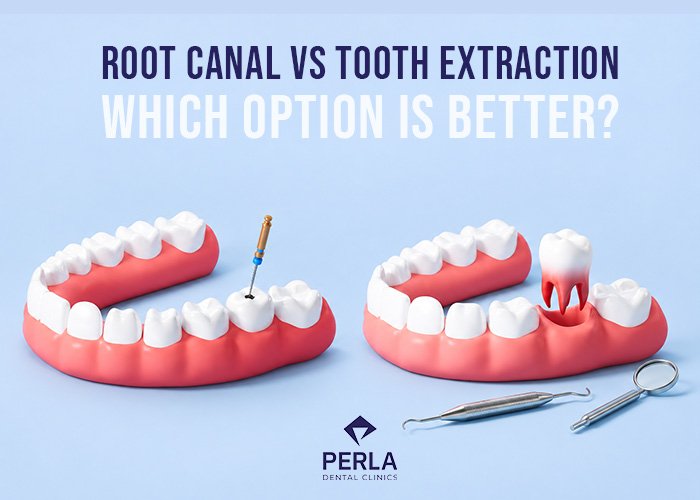
Which Is Better: Tooth Extraction or Root Canal Treatment?
Root canal treatment is used to remove infected pulp from inside the tooth and prevent bacterial spread. When viable, it is generally considered a better option than extraction.
Root canal treatment preserves the tooth, so there is no need for an implant or a bridge to fill in the gap. By contrast, if an extracted tooth is not replaced, the surrounding teeth may shift, causing further dental problems.
Tooth extraction may be the only option when the infection is very severe and does not respond to more conservative treatments, such as root end surgery.
| Key factors | Tooth Extraction | Root Canal Treatment |
|---|---|---|
| Pain | Minimal discomfort during treatment; moderate pain during recovery; severe pain possible with dry socket | Mild discomfort during treatment; low to moderate pain during recovery |
| Cost | Lower initially, but tooth replacement is more expensive | Higher initially, but no need for replacing the tooth |
| Longevity | The lifespan of a replacement tooth varies depending on the type | The dental crown may require replacement in 10-15 years |
| Indication | Severe infection with poor prognosis | Infected teeth |
Tooth Replacement Options After Extraction
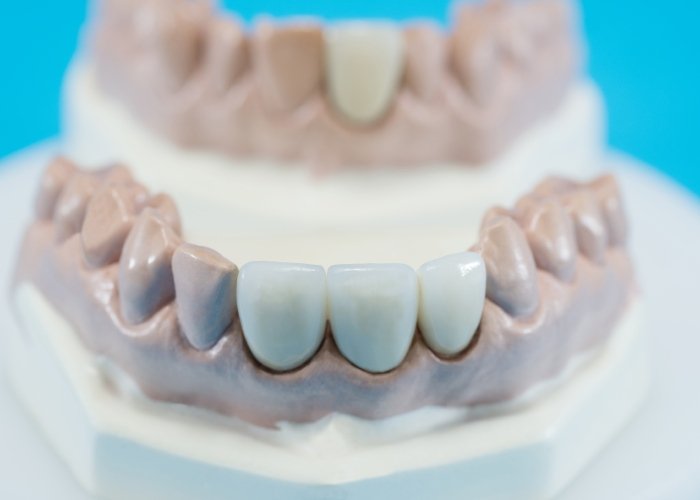
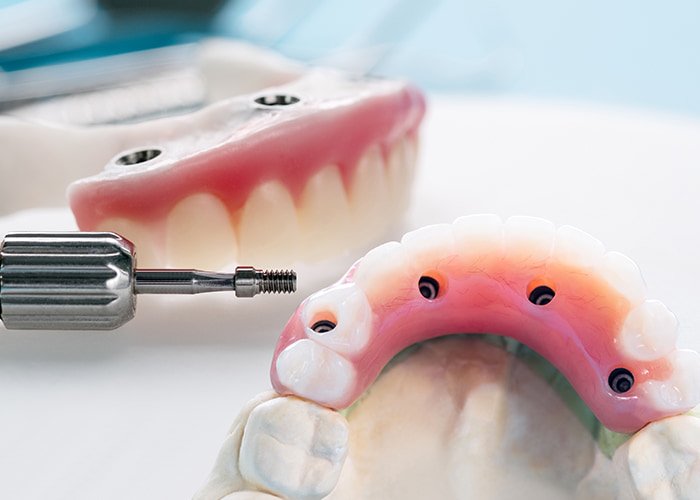
Most patients prefer to replace the extracted tooth with a dental restoration. This is the recommended course of action, as restorations prevent teeth from shifting and, in the case of implants, can help protect against bone density loss after extraction.
Dental Implant After Extraction
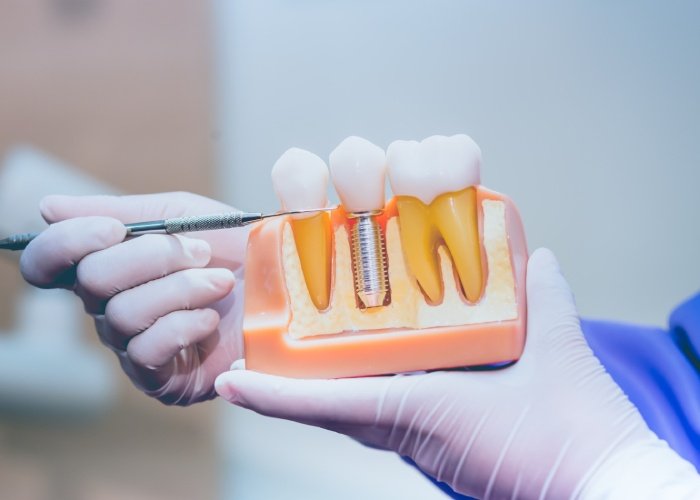
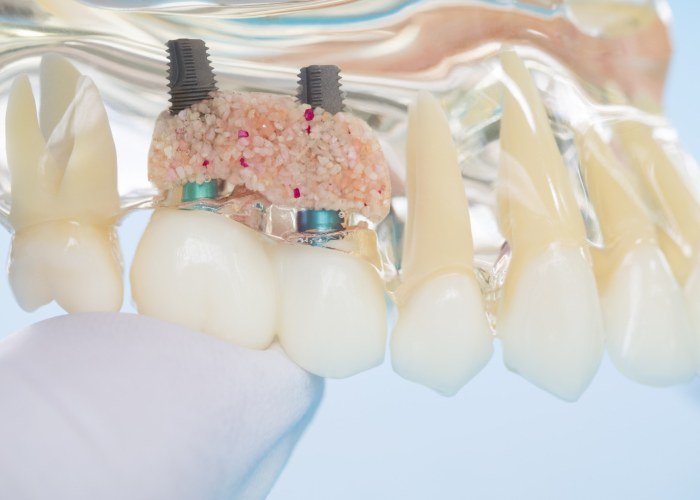
Dental implants function similarly to natural teeth. They replace the extracted tooth completely. An implant screw replaces the tooth root, and a crown replaces the part of the tooth above the gum line. If your jawbone and gums are very healthy, it may be possible to place a dental implant immediately after extraction.
Dental Bridge
Dental bridges replace the visible parts of the tooth, but not the root. They use neighbouring teeth as supports and are a more affordable fixed alternative to implants.
Dentures
Removable dentures are a popular replacement for extracted teeth. Although single-tooth dentures are available, partial or full dentures are preferred for stability.
Socket Preservation & Bone Grafting
Socket preservation is a type of bone graft in which the empty socket is filled with bone material to preserve jawbone density. It is used to slow bone resorption before placing implants or while the patient considers tooth replacement options.
Recovery After Tooth Extraction: Timeline & Aftercare
Healing after tooth extraction takes more than a month for the bone to recover completely, but the first week is the most important for healing the soft tissues and the overall treatment’s success.
First 24 Hours
During the first 24 hours after extraction, bleeding gradually stops and a blood clot forms in the socket. Some pain can be felt as anaesthesia wears off. Avoid touching the surgery area, spitting forcefully, and drinking through a straw. Do not smoke or drink alcohol.
Days 2–7
Pain is at its highest during the second day. It can be managed with painkillers. Some swelling and bruising will appear, but gradually fade as the week progresses. The empty socket starts to heal. During this time, you may eat lukewarm, soft foods. You can eat firmer foods later in the week, but take care not to disturb the socket. Contact the dental clinic immediately if you experience a sudden increase in pain after the second day, have a bad taste in your mouth, or see pus.
Full Healing Timeline
Soft tissues heal in two to three weeks after extraction. The underlying bone needs at least six weeks to recover completely. Follow the dentist’s recommendations to ensure timely recovery and avoid complications.
Travel Considerations for International Patients
It is best to wait 24-48 hours after a simple extraction and at least 3 days after a surgical extraction before travelling. This will help preserve the blood clot and avoid complications that can occur during travel.
Risks and Complications of Tooth Extraction
Risks of tooth extraction include:
- Dry socket. Intense pain and throbbing that occur when a blood clot is dislodged or fails to form.
- Infection. Bacteria can enter damaged tissues. This can lead to inflammation, pus discharge, and damage to soft tissues and bone.
- Nerve damage. Tooth extraction can damage nerves in the lower jaw, leading to a range of side effects, some of which may be temporary.
- Sinus damage. Some teeth in the upper jaw can be very close to the sinus cavities. They can be damaged during the procedure or recovery.
If you experience complications or their symptoms, contact the clinic immediately.
Outcomes, Safety, and Accessibility of Dental Care in Turkey
Tooth extraction in Turkey is often performed before placing full-mouth implants and other restorations, but, as an international patient, you can have a tooth extracted for other reasons as well.
Tooth extraction is often included in the price of all-inclusive package deals for full-mouth implants and similar treatments, and is performed by experienced dentists and dental surgeons. This makes tooth extraction in Turkey a safe and effective option for those who require it.
Frequently Asked Questions About Tooth Extraction in Turkey
How Much Does Tooth Extraction Cost in Turkey?
The average cost of tooth extraction in Turkey ranges from £30 to £400. Actual costs vary depending on procedure complexity.
Why Is Tooth Extraction Cheaper in Turkey?
Turkey has lower living costs than the UK and the USA. This means that prices for all types of tooth extraction and other dental treatments are lower when procedures of a similar quality are compared.
Is Tooth Extraction Painful?
The tooth extraction procedure is done under anaesthesia and is not painful. However, there is some pain during recovery. Painkillers are usually prescribed to manage pain during recovery.
How Long Does a Tooth Extraction Take?
A tooth extraction appointment can take from twenty minutes to more than an hour. Extracting multiple adjacent teeth takes more time.
How Long Does Healing Take?
Most symptoms, such as pain and swelling, resolve within a week after the procedure. Gums and sockets need more time to heal completely, one to several months. The precise timescale can vary.
Is It Safe to Travel After Extraction?
It is recommended to wait 24-48 hours after a simple extraction or at least 3 days after a surgical extraction before travelling by plane to promote proper socket healing.
Do I Need an Implant After Tooth Removal?
While replacing the extracted tooth is recommended for aesthetic and functional reasons, implants are not the only option. You may prefer an alternative, such as dental bridges or dentures.
Is It Better to Extract a Tooth or Save It?
If the tooth can be preserved, it is recommended not to extract it. This will help you preserve the dental function and natural appearance of your smile, avoiding the need for expensive dental prostheses.