+90 534 226 60 59
  Mon - Fri: 9:00-18:00; Sat: 9:00-17:30; Sunday: Closed

Emax and zirconia are the most popular materials for metal-free crowns. However, many patients deciding between Emax vs zirconia crowns are unsure of the differences between the materials.
Just like all other types of dental crowns, Emax and zirconia have specific benefits and drawbacks. This article can help you learn more about their differences and uses, making it easier to decide which type is more suitable for your individual case.
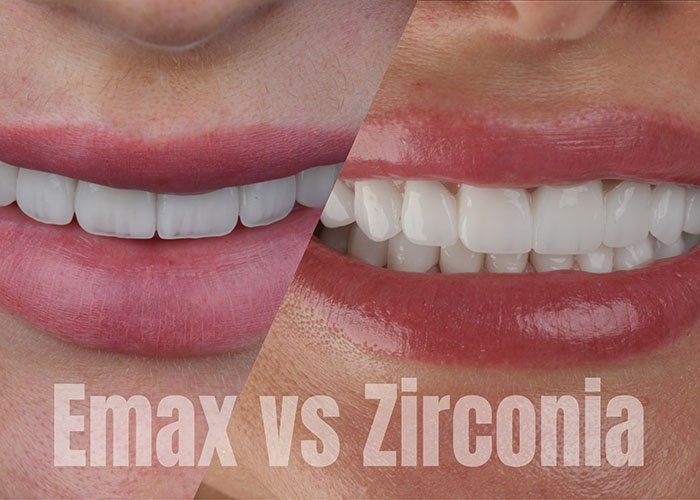
Table of Contents
What Is an Emax Crown? (Material and Clinical Indications)
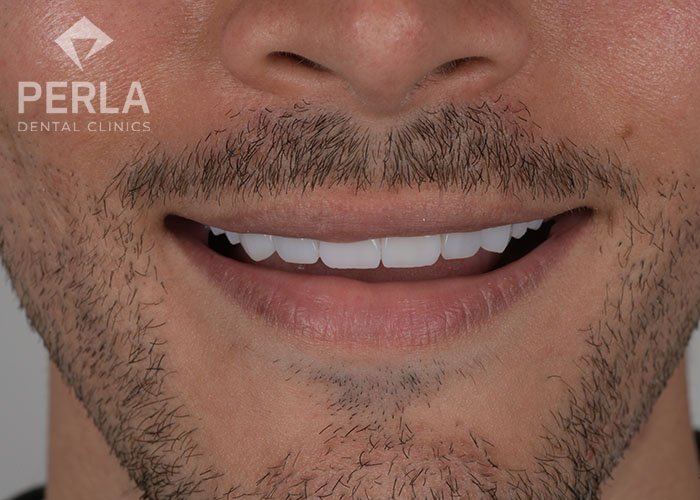
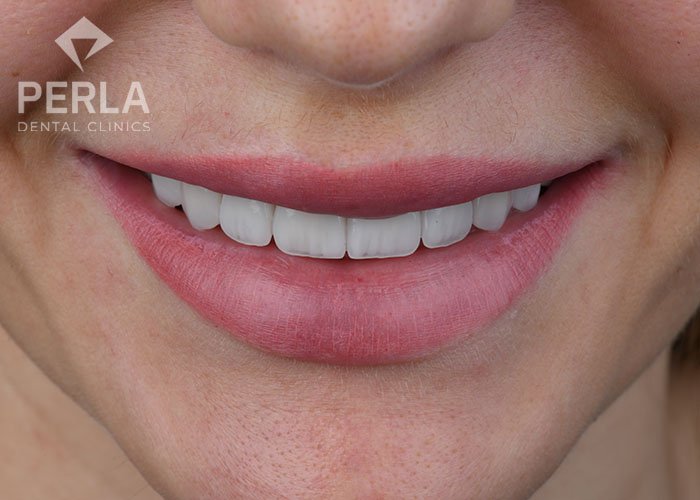
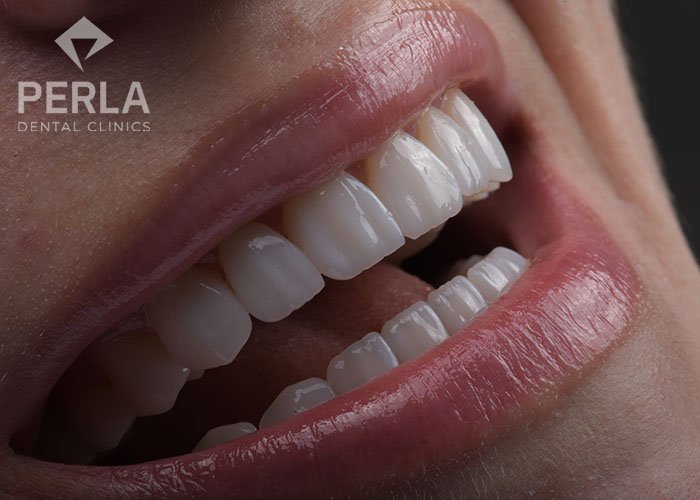
The material of Emax crowns is called lithium disilicate. It is durable, highly translucent, and aesthetically pleasing. When comparing Emax vs. zirconia, Emax is more commonly used for dental restorations in the aesthetic zone, the highly visible parts of the smile, such as the incisors and canines.

What Is Lithium Disilicate, And How Is Emax Made?
Lithium disilicate is a glass-ceramic material. At a microscopic level, it is a glassy matrix with embedded lithium disilicate crystals. This composition gives it properties similar to both glass and ceramic. Lithium disilicate is translucent, but durable enough to withstand the pressures experienced by anterior teeth.
Emax crowns, which are made from lithium disilicate, can be produced using either a hot-press or a CAD-CAM process.
CAD-CAM crowns use a digitally controlled process and are faster to fabricate. They are milled from blocks of partially pre-crystallised lithium disilicate and are heated to strengthen the material.
Hot-pressed lithium disilicate crowns can be fabricated using a conventional pressing method. The dental restoration is fabricated by filling a mould pattern with lithium disilicate material under heat and pressure. Crowns fabricated using this method take more time to produce, but, in some cases, may offer a better marginal fit.
When Emax Is Not Recommended
Emax’s relatively lower flexural strength makes it less preferred for applications where exceptional durability and the ability to withstand constant pressures are important. Long-span restorations, such as bridges of more than three units, are usually made from alternative materials.
Emax restorations are not recommended for patients with bruxism, who involuntarily grind their teeth. The risks of mechanical failure are high when lithium disilicate is subjected to constant high pressures.
Where Emax Crowns Are Clinically Indicated
Emax crowns are most suitable for anterior teeth, which are highly visible and experience less pressure than molars and other posterior teeth.
Emax is more expensive than zirconia, but it is more aesthetically pleasing. It is durable, but less so than zirconia.
What Is a Zirconia Crown?
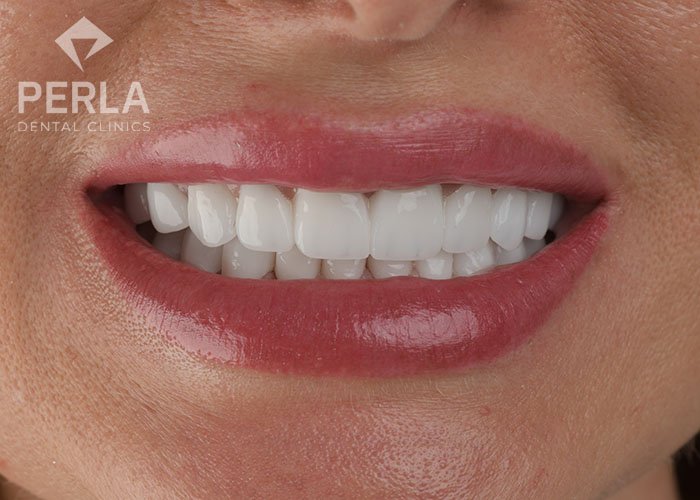
Zirconia crown material is called zirconium dioxide. While it is a metal oxide, it has the properties of a polycrystalline ceramic and is considered “metal-free”. It is a biocompatible and very durable dental ceramic.

What Are Zirconium Dioxide and Monolithic Zirconia?
Zirconium dioxide exists in three forms, each with slightly different properties. In dentistry, its tetragonal phase is most common. Yttria or another oxide is used to stabilise zirconia.
The resulting ceramic has very high flexural strength, but is opaquer than lithium disilicate. “High-translucent” (HT) zirconia is made from zirconium dioxide in its cubic phase, but it is less durable than conventional zirconia.
Monolithic zirconia restorations are milled from blocks of zirconia. They consist entirely of zirconium dioxide and are the strongest type of zirconia dental restoration.
Layered zirconia crowns are covered with dental porcelain to improve the restoration’s appearance. These crowns are less durable than monolithic zirconia restorations, as the outer porcelain layer is prone to chipping.
Tooth Reduction Requirements for Zirconia
Tooth reduction refers to the amount of dental material removed to accommodate a crown or other restoration.
Monolithic zirconia crowns are very durable and can be made thinner than both conventional porcelain and Emax crowns. As such, the reduction requirements for zirconia are more conservative than for other ceramic crowns. Typically, a zirconia crown can be placed with a tooth reduction of 0.5 to 1.5 millimetres.
Where Zirconia Crowns Are Recommended
The exceptional durability of zirconia crowns makes them suitable for use on posterior teeth, including molars. Since the material is opaque, it can effectively conceal metal posts and implant abutments, making it useful for dental implant crowns.
Zirconia can be used for patients with bruxism, but it is not unbreakable. Wearing a night guard can help extend the service life of your dental restorations if you grind or clench your teeth.
Emax vs. Zirconia: Side-by-Side Clinical Comparison
When comparing Emax vs. zirconia as materials for crowns, many differences in their properties become apparent. Durability, translucency, and overall aesthetics are highly dependent on the material, meaning that each material is best suited to specific roles.
| Factor | Emax Crown | Zirconia Crown |
|---|---|---|
| Material | Lithium disilicate | Zirconium oxide |
| Strength | Medium-high | Very high |
| Aesthetics | Excellent | Good–very good |
| Best for | Front teeth | Molars |
| Longevity | 10–15 years | 15+ years |
| Translucency | High | Lower |
Strength and Fracture Resistance
Pressed Emax crowns can reach a flexural strength of 460 MPa, while monolithic zirconia crowns can reach up to 1200 MPa.
Zirconia is more fracture-resistant and has a “self-healing” property that inhibits fracture propagation. It is the preferred material for cases where durability is important. “High-translucency” zirconia is structurally weaker and can reach a flexural strength of up to 900 MPa
Aesthetics and Translucency
Compared to conventional and high-translucency zirconia, Emax is more translucent and transmits light in a similar manner to natural enamel. As such, Emax crowns are preferred for cases where an aesthetically pleasing material is more important than overall durability.
Thickness and Tooth Preservation
Zirconia and Emax crowns require different degrees of tooth reduction. Emax crowns are less durable and therefore may need to be made thicker than zirconia restorations to ensure sufficient fracture resistance. This means they can require increased tooth reduction.
It is important to note that Emax is easier to attach to natural tooth material, so the actual amount of tooth reduction depends on the individual case.
Suitability for Front vs Back Teeth
Posterior teeth experience heavier loads due to chewing. For this reason, they require more durable restorations.
As posterior teeth are not visible from most angles, the aesthetic qualities of the restoration are less important, making zirconia crowns the preferred choice for these teeth.
Emax crowns are often used when restoring anterior teeth. These teeth require natural-looking materials and do not require the same level of structural resistance from the crowns.
Use on Dental Implants
When placing a crown on a dental implant, it is important to ensure good fracture resistance and that no part of the implant shows through the restoration. Since zirconia is opaquer and more durable, it is preferred over Emax for use on implants.
Longevity and Clinical Survival Rates
Both Emax and zirconia offer good long-term survival rates, meaning that the crowns can serve for many years without requiring replacement. Emax crowns have a survival rate of 85-90% at 10 years after placement. Monolithic zirconia crowns have a 90-95% survival rate after 10 years.
Procedure Differences Between Emax and Zirconia Crowns
There are significant differences between Emax and zirconia crown fabrication and placement procedures due to their material properties and cementation requirements.
Tooth Preparation and Enamel Removal
In general, zirconia full crowns can be installed with a more conservative reduction compared to lithium disilicate restorations. However, the actual amount of tooth preparation required depends on the patient’s case.
Digital Scan and CAD/CAM Fabrication
Both zirconia and lithium disilicate crowns can be fabricated using a CAD/CAM process, where the restoration is milled from a solid block of material. Some types of zirconia blocks come fully sintered, and are therefore quicker to produce crowns from, as there is no need for heat-treating after milling the crown. Lithium disilicate crowns are not limited to CAD/CAM milling and can be fabricated using a press method. It can offer higher structural integrity but takes longer to perform. Both fabrication methods can use digital scans of the patient’s teeth for higher precision.
Cementation Differences
There are significant differences in zirconia vs Emax cementation protocols. Emax crowns can be acid-etched to improve their adhesion to the tooth, and the chemical bond produced between the natural enamel and the restoration tends to be stronger than that achieved with zirconia crowns. Zirconia restorations are sandblasted to improve adhesion and require special resin cements to produce a strong bond with the tooth. In most cases, a zirconia restoration should cover the entire tooth, whereas Emax is well-suited for onlays, inlays, or table-top restorations.
Risks and Failure Factors: Emax vs. Zirconia
Risk and failure factors of Emax and zirconia crowns are primarily related to their fracture resistance. When installed on suitable teeth, both types of crowns can serve for a long time, with the main failure factors being secondary caries or loss of retention.
However, Emax crowns are more prone to fracturing under excessive loads. They are therefore not suitable for patients with bruxism.
Both materials are considered biocompatible and demonstrate greater resistance to plaque accumulation than natural enamel.
Cost Comparison: Emax vs. Zirconia in the UK and Turkey
The cost of Emax and zirconia differs not only depending on the material used, but also on the country where the procedure is performed. As these are specialised materials, they are only very rarely available under the NHS, where metal and porcelain-fused-to-metal crowns are preferred.
| Type of dental crown | Turkey price | UK Private Care Price |
|---|---|---|
| Zirconia | £100-£350 | £800-£1,200 |
| Emax | £200-£400 | £900-£1,300 |
Average Crown Prices in The UK
In 2026, the average price of a zirconia crown in the UK is £800-£1,200. The average 2026 UK price for an Emax crown is £900-£1,300. These price ranges are for private clinics, where these types of crowns are much more widely available.
Average crown prices in Turkey
The 2026 average price of a zirconia crown in Turkey is £100-£350. Emax crowns in Turkey can be installed for £200-£400 in 2026.
Cost Factors: Lab Technology, Dentist Expertise, Case Complexity
The actual cost of a dental crown depends on more than what it is made of. For example, clinics that use chair-side fabrication equipment can produce crowns faster, but at a higher cost.
The dentist’s experience is another factor that affects the price of dental restorations. More experienced dentists can ensure that the crowns fit better. This prevents bacteria from entering under the crown at the margin and protects the tooth from secondary caries.
Furthermore, the extent of tooth damage determines how much work and raw materials are required for restoring it, directly influencing the price of the dental crown treatment.
Why UK and EU Patients Travel to Turkey for Ceramic Crowns
Turkey is a popular destination for patients searching for less expensive ceramic crowns. Turkey has lower living costs and rent, so treatments equivalent to those in the UK can be performed at a lower price.
Many clinics in Turkey offer package deals on crowns that are cheaper than having them placed individually. This is a beneficial option for patients who need full-mouth treatment.
When to Choose Emax or Zirconia
The choice between Emax and zirconia crowns will depend on your specific needs, such as which teeth are being treated or your propensity to grind your teeth.
Most Suitable Material for Anterior Teeth
Restorations for anterior teeth are highly visible when you talk or smile and should look as natural as possible, so that they don’t stand out among untreated teeth. Emax crowns are suitable for restoring anterior teeth due to their superior aesthetic value.
However, in some cases, an existing restoration or deep discolouration can show through highly translucent Emax material. Aesthetic HT or multilayered zirconia is suitable for restoring such teeth.

Most Suitable Material for Posterior Teeth
Posterior teeth experience heavy pressure from chewing food and are less noticeable than incisors and canines. Zirconia is suitable for restoring these teeth, as they require its exceptional durability.
Optimal Crown Material for Bruxism Patients
Patients with bruxism require crowns that are highly fracture-resistant. Zirconia is much better suited for such cases. However, it is still recommended to wear a night guard if you have bruxism. It will help prolong the service life of your dental restorations and protect your teeth.
Optimal Crown Material for Dental Implants
Dental implants require crowns that can effectively conceal the abutment and core of the implant, and do not maintain structural integrity when a hole for a screw-retained implant is made. Zirconia is preferable for such uses.
Lifespan and Maintenance of Emax and Zirconia Crowns
Emax crowns have an average lifespan of 10-15 years, while zirconia crowns can serve for more than 15 years. The actual service life of your crown will be highly dependent on your general oral health and oral hygiene.
Maintenance Tips for Long-Term Success
To prolong the service life of your crowns:
- Maintain good oral hygiene
- Use dental products compatible with the material of your crowns
- Visit the dentist regularly for check-ups and professional cleaning
- Avoid very hard and sticky foods
- Do not use your teeth as tools for opening packages, etc.
- Wear a night guard if you have bruxism

Frequently Asked Questions About Emax and Zirconia Crowns
Which Crown Material Lasts the Longest?
Zirconia has a longer average service life, but the actual lifespan of your crowns depends on many factors. The 10-year survival rate of both E-max and zirconia crowns is more than 85%.
Is E-max Better Than Zirconia for Front Teeth?
E-max is considered a better fit for anterior teeth due to its superior aesthetic properties. However, your dentist may recommend modern zirconia crowns if they would be more beneficial for your teeth.
Can Zirconia Crowns Crack?
Yes, zirconia crowns can crack. While very durable, they are not indestructible, and, like other dental ceramics (and natural enamel), can fracture under very high pressures.
What Crown Material Is Safest for Bruxism?
Between Emax and zirconia crowns, zirconia is a better material for patients with bruxism. Nonetheless, if you suffer from bruxism and are primarily concerned with durability, metal crowns can offer better long-term outcomes due to the material’s malleability.
How Long Do Zirconia Crowns Last?
Zirconia crowns can last more than 15 years with proper care. Following the dentist’s recommendations is essential to achieve this estimated crown longevity.
What Crown Material Causes the Least Wear to Opposing Teeth?
Zirconia causes less wear on the opposing tooth compared to E-max. While harder, it is less abrasive, meaning it does not damage the opposing tooth’s surface as much in the long-term.