+90 534 226 60 59
  Mon - Fri: 9:00-18:00; Sat: 9:00-17:30; Sunday: Closed

A chipped tooth can mean a small, mainly cosmetic issue, or more serious damage that can cause pain and other symptoms. The steps you should take depend on how severe the damage is. Do not attempt to repair the tooth by yourself. A dental examination will help determine the cause of the chip and potential repair solutions.
This article will help you learn more about what treatment options may be possible for different chipped teeth.
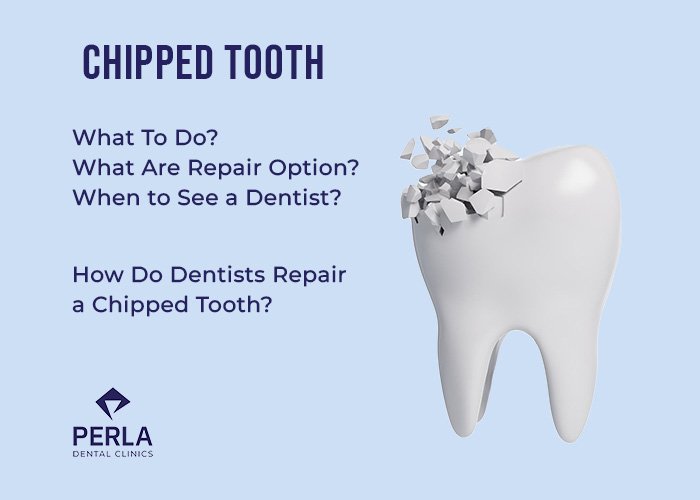
Table of Contents
What Should You Do If You Chip a Tooth?
If you have chipped your tooth, avoid biting on it, keep the damaged area clean, and arrange a dental visit as soon as possible, especially if you experience a toothache or temperature sensitivity.
If you can locate the broken piece, put it in milk or saliva and arrange a visit to a dentist as soon as possible. The dentist may be able to reattach the broken piece.
A small chip that does not hurt may not require urgent care, but should be examined by a dentist to rule out any hidden damage.
What Is a Chipped Tooth?
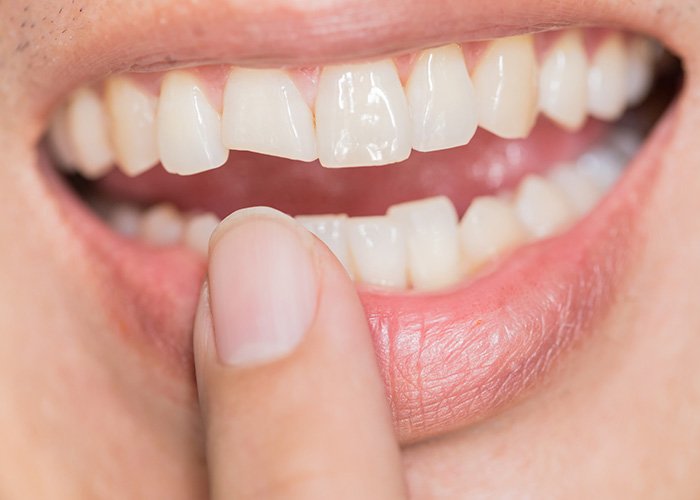
A chipped tooth is one from which a piece has broken off. The damage may be minor, such as when a small piece of enamel is lost, or deeper, involving loss of a large part of the tooth. For this reason, chipped teeth can present with different symptoms, or none at all.
Chipped front teeth and molars may feel and affect the patient’s dental function differently. They may make it more difficult to speak or chew, depending on which tooth is chipped and how much of the original structure is lost.
Chipped teeth may overlap with other types of dental damage, but are generally understood to be less severe than broken teeth. Cracked teeth usually do not involve pieces of tooth breaking off, but the crack may propagate if not treated.
| Chip | Crack | Broken tooth |
|---|---|---|
| Damage that causes a part of the tooth to break off. It may differ in size and severity, present different symptoms or affect only the appearance of the tooth. | A fracture in the tooth structure that may reach deeper layers of the tooth, but does not cause any pieces to break off or separate. | Severe damage that causes a large part of the tooth to break. May severely impact the patient’s ability to chew or speak. While symptoms may differ, pain and temperature sensitivity are common. |
Only a dentist may determine the true extent of tooth damage following a dental examination.
How Do Dentists Repair a Chipped Tooth?
Chipped tooth repair options depend on the results of a dental examination, the chip’s size and location, symptoms, and the tooth’s overall condition. These criteria determine whether a chip can be fixed and what treatment is used to do so.
Common treatment options are smoothing, dental filling or bonding, root canal treatment, or restorations such as dental crowns or veneers.
| Treatment | When it may be discussed |
|---|---|
| Smoothing | A small chip that does not cause pain or temperature sensitivity and may be hidden by smoothing it off. |
| Dental filling | A sufficiently large chip that has nearby decay or other structural issues that require the dentist to remove damaged parts of the tooth and replace them with composite or other materials. |
| Dental bonding | A minor chip that does not present any symptoms and may be hidden by applying composite material over it, especially on front teeth. |
| Crown | A chip that compromises the patient’s ability to chew and requires a structurally sound restoration that covers the entire outer surface of the tooth. |
| Veneer | A chip that compromises the tooth’s aesthetics and requires a larger tooth restoration than is feasible with dental bonding. |
| Root canal | A chip that causes pulp inflammation, requiring the dentist to remove affected inner soft tissues to prevent further damage. |
Dental Filling, Bonding, Crown, Veneer or Root Canal?
The choice between treatment options depends on how large the chip is and where it is located. In general, dental fillings are preferred for posterior teeth or when there is decay around the chipped area.
- Dental bonding is more often used for front teeth, where aesthetics are more prioritised.
- Crowns and veneers may be used for larger chips. A crown covers the chewing surface completely, so it may be preferred for teeth that are under higher chewing pressure, such as molars. Dental veneers may be used for anterior teeth.
- Root canal treatments are used only when the tooth damage has led to infection inside the tooth. The treated tooth will require a dental filling or a crown after a root canal to seal the access hole and restore tooth structure.
The choice between these treatments depends on the patient’s clinical case and can only be made after an in-clinic examination.
Chipped Front Tooth, Chipped Molar and Small Chips
Chipped front teeth and molars can affect patient comfort in different ways. They may also require different treatments. Generally, the choice between treatment types depends on whether the tooth damage has impacted dental function or smile aesthetics more.
| Chipped Front Tooth | Chipped Molar | Small Chip | Sharp Edge |
|---|---|---|---|
| Highly visible, may influence speech or make it more difficult to bite. | May make chewing difficult or uncomfortable, or cause food to get stuck. | Usually painless and devoid of other symptoms, but may point to hidden damage. | A sharp chipped edge can injure the patient’s cheeks or tongue and may break off if untreated. |
Chipped Front Tooth
A chipped front tooth is usually highly visible and may change the patient’s speech. Treatment options focus on restoring aesthetics and protecting the tooth from more damage. Common procedures include dental bonding, veneers, smoothing, or filling. Treatment choice and results depend on the patient’s case.
Chipped Molar or Back Tooth
Chipped molars can make it more difficult to chew. It is more difficult to inspect a back tooth by yourself, so a dentist’s assessment is even more important to determine the actual damage. Back teeth are often treated with dental fillings or crowns, depending on how damaged they are.
What If a Chipped Tooth Does Not Hurt?
A chipped tooth can be completely painless, but this does not mean that it is structurally uncompromised. A dental examination is required to ensure there are no cracks or other damage that can propagate with time and to establish a proper treatment plan.
What If a Tooth Edge Feels Sharp?
A sharp tooth edge can irritate or damage surrounding soft tissues. A dentist can help determine how much of the tooth can be fixed and what treatment to use. Getting the sharp chipped edge smoothed or filled will help protect the cheeks and the mouth from irritation and other damage.
Can You Safely Fix a Chipped Tooth at Home?
You should not attempt tooth chip repair at home. This will not give lasting results and may damage your tooth or mouth, making future repair more difficult.
It is best to visit a dentist as soon as possible after you chip your tooth. In the meantime, you may wear a mouth guard, if one is available, or use wax, paraffin, or sugarless chewing gum to cover the sharp edges of the chipped tooth.
Do not attempt to:
- Glue the broken piece back;
- Drill the damaged areas of the tooth;
- Fill the tooth cavity.
Do:
- Contact a dental clinic for a dental check-up.
- Store the broken-off piece of tooth in milk or your saliva;
- Cover a sharp edge with a piece of paraffin or sugarless chewing gum, if it occurs;
- Take an over-the-counter painkiller if the tooth is painful.
Why Do Teeth Chip?
Teeth may chip due to many reasons, including:
- Hard food;
- Trauma;
- Decay;
- Large old restorations;
- General tooth wear;
- Tooth grinding or clenching.
What Affects Chipped Tooth Repair Cost?
Chipped tooth repair cost depends on the treatment type and the extent of damage. Costs can also vary by the location of the tooth and the need for aesthetic or durable materials.
| Cost factor | Why it may influence treatment cost |
|---|---|
| Treatment type | Treatments such as dental fillings are less expensive than restorations such as crowns. |
| Size of chip | Larger chips require more material and work to fill and require careful planning to ensure structural stability. |
| Tooth location | Anterior and posterior teeth may require different treatments and materials. Molars usually require high-strength materials, while front teeth require more aesthetic options. |
| Time since injury | Treating the chipped tooth sooner can help prevent damage from decay or other factors, potentially making the treatment cheaper. |
Chipped Tooth Treatment Planning for International Patients
Chipped tooth treatments in Turkey are suitable for international dental patients without urgent care symptoms, such as severe pain, swelling, or infection. If you have these symptoms, getting urgent local treatment is a priority.
If your chipped teeth do not require urgent care, getting treatment in Turkey may be a good alternative for you. Start by arranging a remote consultation that will help create your personal dentist-led plan.
For best results, prepare the following information beforehand:
- Your symptoms;
- Chipped tooth location;
- Relevant dental photos;
- How long has passed since you chipped the tooth;
- Current pain or temperature sensitivity;
- Whether the tooth has existing restorations;
- Preferred travel dates.
Chipped Tooth FAQs
Can a Chipped Tooth Heal by Itself?
A chipped tooth cannot regrow lost structure. A suitable treatment for chipped teeth can only be chosen after a dental check-up. For best results, visit a dentist as soon as possible to determine whether repair is required and possible. This can help protect the tooth and surrounding soft tissues from damage.
How Long Can You Leave a Chipped Tooth?
How long a patient can leave a chipped tooth without repair depends on the extent and type of damage. It is best to have the tooth examined as soon as possible to ensure there is no more serious damage. You may cover the sharp edge of the tooth with paraffin or sugarless chewing gum, or wear a mouth guard in the meantime.
Is a Chipped Tooth the Same as a Cracked or Broken Tooth?
Chipped, cracked, and broken teeth can overlap, but are not necessarily the same problem. They differ by type and extent of damage. Chipped teeth are generally understood to be less severe than broken teeth. Cracked teeth usually mean that the tooth has a crack or fracture that has not yet caused any pieces to break off.

Medically reviewed by:
Dr. Onur Ademhan
Oral and Maxillofacial Surgeon
Founder and CEO of Perla Dental Clinics. Graduated from Ankara University Faculty of Dentistry and specialized in Oral and Maxillofacial Surgery at Gazi University.