+90 534 226 60 59
  Mon - Fri: 9:00-18:00; Sat: 9:00-17:30; Sunday: Closed

The wisdom teeth recovery timeline depends on the extraction difficulty, number of teeth removed, impaction, and the patient’s age and health. Most patients feel relief after several days, though full recovery can take up to 2 weeks.
Symptoms peak 48 to 72 hours after extraction, and gradually subside in most cases. Most patients can return to normal activities within several days after the surgery. The precise expected timeline depends on the patient’s case and is determined by the dentist.

Table of Contents
How Long Does Wisdom Teeth Recovery Take?
Wisdom teeth recovery usually takes up to two weeks. Most patients experience post-surgery symptom relief after several days, while full healing is longer. Recovery time after wisdom teeth removal is variable and depends on personal factors and the complexity of the surgery.
Most people feel better within several days. Full recovery: up to 1-2 weeks for simple extractions; call the dentist if symptoms worsen.
Quick Answer for Simple and Surgical Extractions
While the average recovery time is two weeks for most cases, simple extractions, where the tooth can be removed whole and no incisions are made, are quicker to recover from. Surgical extractions, such as those for impacted teeth, can take longer. The dentist will provide you with recovery advice based on your case and its complexity to promote faster healing after the treatment.
What "Healed" Means: Feeling Better vs Gum Closure
Recovery after wisdom teeth removal can mean different things. While patients often gauge recovery by how they feel, it can also be evaluated by the degree of gum and extraction socket healing.
Most patients’ symptoms begin to improve by day 3 post-extraction. For surgical extractions, a 2009 study reports that most patients feel normal by day 6 after extraction.
The actual healing of soft tissues and the bone takes longer: gum surface closure takes 2 weeks in most patients, while bone continues to remodel for significantly longer, often months. As the bone remodels, the indentation from the extracted tooth will smooth out. Most of the recovery after the two-week mark is asymptomatic and does not influence patients’ day-to-day life.
Wisdom Teeth Recovery Timeline by Day
The wisdom teeth recovery timeline usually starts with clot formation on day 1. Symptoms such as swelling and soreness may increase by day 2, with significant improvements by day 7, and most symptoms gone by the end of week 2.
First 24 Hours: Bleeding, Clot Formation, Numbness, and Rest
Immediately after the tooth extraction, your mouth will still feel numb because the anaesthetic will still be in effect. Once it wears off, you can feel some soreness and swelling.
The extraction socket will fill with blood after the tooth is removed, forming a blood clot. It is critical for proper recovery because it seals the socket and serves as a scaffold, and influences the next stages of wisdom teeth recovery. You should try to rest during this time to avoid dislodging the blood clot.
What is Normal on Day 1
Some swelling, bleeding, and bruising are normal. You can expect some pain, which can vary in intensity depending on the complexity of the procedure. You may find it difficult to open your mouth completely. In some cases, a tingling sensation or prolonged numbness can indicate short-term nerve irritation, which is temporary in most cases.
Aftercare instructions after tooth extraction can differ if you were under sedation or had a complex extraction. In this case, refer to your dentist's recommendations.
Contact the dentist if you experience excessive bleeding, pain, or a high fever.
What to Avoid in the First 24 Hours
Do not rinse your mouth, spit, drink through straws, or eat solid foods after wisdom tooth extraction. This can dislodge the blood clot and cause a complication called dry socket. Exclude smoking, alcohol, and hot food and drinks.
Days 2 to 4: Swelling, Soreness, Bruising, and Talking
Swelling, pain, and bruising can increase 24 hours after the tooth is extracted. You may also find it difficult to talk for prolonged periods. This is normal during this period. The symptoms should peak on day 2 or 3 and start to decrease thereafter.
Why May Swelling Peak Before It Improves?
The reason why swelling, soreness, and bruising increase over time before they start to go away has to do with how the body deals with wounds: the inflammatory stage of healing, during which an increase in swelling is expected, peaks in 48 to 72 hours, as inflammatory cells migrate to the extraction site.
Note that a sudden increase in pain, swelling, or other symptoms after they have plateaued can point to complications. Contact the dentist if you feel increasing swelling or soreness after day 4.
How Soon Can You Talk After Wisdom Teeth Removal?
You can begin talking several hours after the procedure, once the anaesthesia wears off, if necessary. Talking as long as you feel comfortable is fine, but it can increase soreness during the initial recovery. Rest, good hydration, and following the dentist’s instructions will help decrease soreness and allow you to speak sooner.
Days 5 to 7: Pain Reduction and Return to Routine
Symptoms decrease during this period, and, for simple extractions, most patients experience minimal to no soreness by day 7. Since bruising and soreness improve, it becomes more comfortable to move the jaws, making it easier to speak for longer periods.
When Work, School, and Light Activity May Be Realistic
Many patients can return to light activity by day 5. The precise timing varies. Patients with physically demanding jobs or surgical and complicated extractions may need more recovery.
Days 7 to 14: Gum Healing and Jaw Movement
The last stages of wisdom teeth healing are highly variable: while most patients experience almost no symptoms starting from week 2, others require more time for their condition to improve.
Gum healing continues during this period, but most patients can introduce more solid foods into their diet. Make sure to avoid very hard or crunchy foods that can get into the extraction socket, however. Jaw movement returns to near-normal levels, making chewing easier.
Why Can Impacted or Surgical Cases Take Longer?
Extracting impacted teeth, which fail to emerge completely from the gums or the jawbone, is more traumatic on the extraction site because it requires some bone removal and tissue manipulation. The same is true for surgical extractions. This means the gums and the bone need more time to heal, lengthening the recovery.
After 2 Weeks: What May Still Feel Different
Most patients feel normal after two weeks, although the indentation from extraction will remain noticeable for several more months. Mild sensitivity around the extraction socket is normal and should decrease over time. The dentist will provide you with a personalised recovery timeline based on your case.
| Time after tooth extraction | What is expected |
|---|---|
| First 24 hours | Swelling, pain, some bleeding, Numbness or tingling sensation. |
| Days 2-4 | Increase in swelling and soreness. Stiff jaw. |
| Days 5-7 | Decrease in swelling and pain. Can resume light activities. |
| Days 8-14 | Most of the swelling, pain, and bruising are gone. Jaw mobility is returning. Can introduce more solid foods. |
| After 2 weeks | Possible mild sensitivity around the extraction socket that improves over a longer period. An indentation from the extraction will remain for several months. |
What Affects How Long Wisdom Tooth Extraction Takes to Heal?
Wisdom surgery recovery time varies depending on whether it is a simple or surgical procedure, the number of teeth removed, the patient’s age, oral hygiene, and lifestyle habits. This means that the same type of extraction will have a different recovery timeline in two patients. It is normal if your case requires a longer or shorter recovery than those of your friends or family.
Simple Extraction vs Surgical Extraction
Surgical extractions, such as for impacted teeth, have a major influence on recovery time. In simple extractions, the tooth can be removed with minimal need for tissue manipulation, making the recovery easier.
Surgical extractions may require the dentist to make a flap in the gums to access the tooth, remove some of the bone covering it, section the tooth, clean the socket, and then close and suture it. This prolongs recovery.
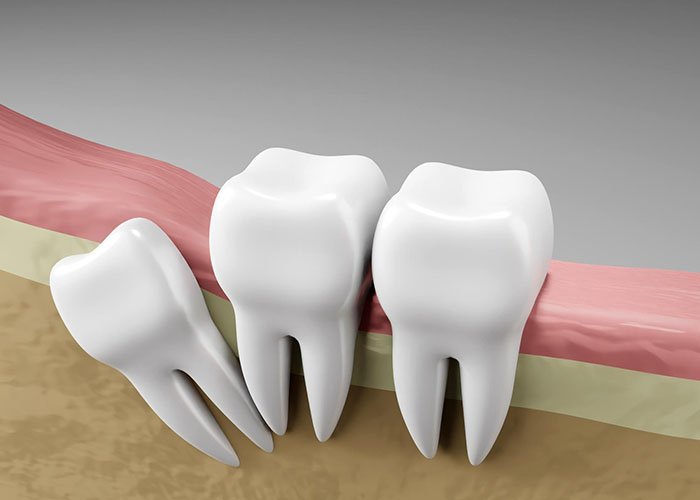
Impacted wisdom teeth
An impacted tooth does not emerge above the gums properly and is partially covered by the gums or the jawbone. Such a tooth requires surgical extraction, since it can’t be easily accessed. Because of this, impacted wisdom teeth take longer to recover from after extraction.
Number of teeth removed
Recovery after removing multiple wisdom teeth at once is more difficult because of increased swelling and soreness. Multiple extraction sockets mean the patient should be even more careful when eating, especially if the extracted teeth are from either side of the mouth.
Age, Smoking, Oral Hygiene, and Health Factors
A 2010 study on recovery after molar tooth removal shows that patients under 21 years old recover significantly faster than older patients. Another 2010 study demonstrated that patients who smoke and have brushed their teeth less frequently before extraction have experienced more pain after the procedure.
Systemic diseases, including uncontrolled diabetes and osteoporosis, also negatively influence recovery time.
Sedation, Anaesthesia, and Procedure Complexity
IV sedation is usually used for more complex cases that require a longer recovery. However, the type of anaesthesia used also influences recommendations on immediate recovery. You cannot drive and would require supervision for 12 to 24 hours after tooth extraction if you have had IV sedation.
| Factor that influences recovery | Why does it matter? |
|---|---|
| Surgical extraction | Requires more tissue and bone manipulation, making incisions and sutures. |
| Multiple extractions | More difficult recovery due to increased swelling and soreness. |
| Patient age | Younger patients recover faster. |
| Oral hygiene | Oral hygiene before treatment influences bacterial load and pain after recovery. |
| Smoking | Nicotine consumption increases pain during recovery and the chances of complications. |
| Systemic health issues | Health conditions such as uncontrolled diabetes make recovery more difficult and longer. |
| IV sedation | Requires additional care after tooth extraction and is usually used for more complex cases. |
Normal Symptoms During Wisdom Teeth Healing

Pain and Jaw Stiffness
Mild to moderate pain and limited jaw movement that worsens 48-72 hours after extraction and then gradually improves are normal. Worsening of these symptoms after the initial peak, or strong, throbbing pain, may indicate complications such as dry socket and should be discussed with the dentist.
Swelling and Bruising
Some swelling and bruising in the mouth and cheeks are normal. They are caused by inflammatory cells migrating to the extraction site to remove microscopic debris. They peak 48-72 hours after extraction. Contact the dentist if you experience severe or continuously worsening swelling.
Bleeding and Blood Clot Protection
Some bleeding after tooth extraction is normal. It helps form the blood clot, which protects the socket and promotes further recovery. Excessive bleeding that does not go away after applying pressure to the site is a cause for concern and should be reported to the dentist.
Why the Blood Clot Matters
A blood clot is important for healing after wisdom tooth extraction. It seals the extraction site, preventing further debris from reaching inside. The condition when a blood clot fails to form or is dislodged is called a dry socket. It leads to more severe pain, since the healing bone and nerves become exposed.
Taste, Breath, and Mild Discomfort When Chewing
You may experience unusual taste or breath during recovery. Metallic taste due to blood or bad breath caused by bacteria accumulating near the extraction site is not uncommon.
Note that these symptoms should not be accompanied by severe inflammation or pus discharge, which are symptoms of infection. Contact the dentist if you suspect an infection, so that they can prescribe appropriate treatment.
Normal Symptoms:
- Controllable bleeding during initial recovery.
- Mild to moderate pain and swelling that peaks on day 2-3.
- Jaw stiffness (trismus).
- Numbness, tingling, weird taste and breath during initial recovery.
Call the dentist if you experience this:
- Severe, throbbing pain.
- Pain that does not respond to medication.
- Pus discharge.
- High fever.
- Severe swelling, numbness, or tingling that continues to worsen.
- Uncontrollable bleeding.
Warning Signs That Recovery Is Not Going Normally
Complications during recovery after wisdom teeth removal are usually rare, but severe, worsening, or unusual symptoms should not be ignored. Contact the dentist if you experience any of the symptoms described below.
- Severe or throbbing pain.
- Sudden bad taste in the mouth or bad breath
- Pus
- Prolonged numbness or tingling
- Fever
- Severe swelling
- Trouble breathing or swallowing

Dry Socket Symptoms
Dry socket is a condition thought to be linked to the full or partial loss of the blood clot that forms in the extraction socket. An increase in pain intensity is the primary symptom, and visual evidence of blood clot loss is not necessarily required. Do not wait until all symptoms appear before contacting the clinic. Report any suspicious symptoms for better recovery.
When Dry Socket Often Appears
Dry socket is reported to occur within 5 days after extraction, with days 3-5 commonly reported in studies, though the incidence timeline can vary. It occurs in approximately 0.5%-5% of tooth extractions, though some studies report a much higher rate of up to 68%.
When Dry Socket Often Appears
The most common symptoms are intense, often throbbing pain greater than the baseline expectation for the type of extraction performed. Bad taste or breath (halitosis) is also commonly reported.
Infection Symptoms
Infection occurs due to bacterial infiltration of the recovering tissues. The most common symptoms are severe swelling, pus discharge, intensely bad taste in the mouth, and feeling generally unwell.
Fever, Worsening Swelling, Pus, or Bad Taste
It is important to separate normal wisdom teeth removal recovery symptoms from those of infection. Fever, pus, and increasingly worsening swelling are always a cause for concern. Mild bad taste in the mouth during immediate recovery is often benign and should resolve within several days. Contact the clinic if you experience a bad taste in your mouth that does not go away.
Bleeding That Does Not Stop
Some bleeding is normal during initial recovery, and the dentist will warn you if it is expected after the tooth extraction. If instructed by the dentist, you can apply pressure to the extraction site for at least 10 minutes using some gauze or cotton. Contact the clinic if this does not stop the bleeding.
Numbness, Tingling, or Nerve Symptoms
Numbness and tingling can be caused by nerve damage. Most cases get better over time, but should still be reported to the dentist for monitoring.
Trouble Swallowing or Breathing
Contact the clinic immediately if you experience any trouble breathing or swallowing. Such symptoms are a medical emergency and require medical intervention.
What to Do After Wisdom Teeth Removal to Support Healing?
The best recommendations for recovery after wisdom teeth extraction will be provided by the dentist after the procedure, based on your particular case. The advice below is common for most wisdom tooth extractions, but it does not supersede the dentist’s instructions.

Rest, Activity, and Talking
Immediate recovery requires rest and limited talking to promote blood clot formation. It is important not to disturb the extraction site.
First 24 Hours
Try to rest as much as possible during the first 24 hours. Elevate your head when resting if instructed by the dentist. Limit talking to avoid soreness. Avoid any strenuous activity.
After the First Day
You can gradually return to your normal activities as you feel symptoms decreasing. Try to avoid physical exertion until full recovery for better results.
Eating and Drinking During Recovery
You should follow a diet of soft and liquid foods during the immediate recovery.
Fever, Worsening Swelling, Pus, or Bad Taste
Soft Foods for the First Few Days
You can eat a range of soft foods, as long as they are not too hot, including:
- Yoghurt
- Soup
- Mashed potatoes or vegetables
- Smoothies
- Eggs
- Applesauce
Foods and Drinks to Avoid
Avoid any hard, crunchy, spicy, and hot foods. Crumbly foods should also be avoided, because they can get into the extraction socket.
Straws, Smoking, Alcohol, and Hot Drinks
Do not smoke or consume alcohol during recovery. Avoid drinking through straws, because it can dislodge the blood clot. Avoid hot drinks to prevent excessive irritation of recovering tissues.Oral Hygiene and Rinsing
Maintaining oral hygiene after tooth extraction involves careful brushing while avoiding the extraction site. Return to the normal oral hygiene routine only after the time recommended by the dentist.
Numbness, Tingling, or Nerve Symptoms
Brushing Around the Extraction Site
Use a soft toothbrush. Be careful when brushing to avoid disturbing the extraction site and stitches. You may prefer to use a children’s toothbrush when brushing near the extraction site to make it easier to avoid the recovering tissues.
Salt-Water or Mouthwash Guidance
You can use a saltwater rinse or mouthwash as instructed by the dentist, which is usually at least 24 hours after the extraction. They will help remove excessive bacteria.
Pain and Swelling Control
You are likely to be recommended or prescribed medication to reduce soreness. Follow the recommended doses and timing as instructed by the doctor.
Medication Instructions from the Dentist or Surgeon
The dentist can prescribe you painkillers and antibiotics. Take the medication in prescribed doses for the entire recommended period to reduce soreness, prevent infection, and promote faster healing.
Cold Compress and Comfort Measures
Cold compresses can help reduce swelling and soreness during the initial recovery. Only use as recommended by the dentist. Application during the first 6 hours after extraction often leads to better results.
| When | Do | Avoid |
|---|---|---|
| First 24 hours | Rest, limit speaking, apply cold compresses | Physical exertion, drinking through straws, spitting |
| Days 2-4 | Eat soft foods, take all prescribed medications, rinse mouth as instructed | Touching the extraction site when brushing teeth, smoking, eating spicy or hot foods |
| Days 5-7 | Return to normal activity if symptoms are subsiding | Physical exertion after a surgical extraction |
| Days 7+ | Return to a regular diet when the gums close. | Placing excessive pressure on the extraction site |
When Can You Return to Work, School, Driving, And Exercise?
The schedule for returning to normal activities depends on how long the recovery from wisdom tooth removal takes. Extraction difficulty, anaesthesia, and your job intensity also influence your personal recovery timeline.

Work or School after Wisdom Teeth Removal
Most patients can return to regular activities within days after extraction. You may need to take off 1-3 days of work or study in cases of surgical or complex extraction, or when it was performed under IV sedation or general anaesthesia.
Driving after Local Anaesthesia, Sedation, or General Anaesthesia
The rules for driving after receiving local anaesthesia, sedation and general anaesthesia differ. You should not drive for at least one day after IV sedation or general anaesthesia. You can drive if the extraction was performed under local anaesthetic and the clinic has not recommended against it. Ask the dentist if this point has not been addressed.
Exercise and Physical Work
It is important to return to exercise or physical work gradually. Strenuous activity can worsen bleeding and swelling, so it is better to limit it for several days after extraction.
Why Strenuous Activity Can Worsen Bleeding or Swelling
Physical exertion increases heart rate and blood pressure. This means that more blood reaches the extraction site, which can lead to more bleeding if the soft tissues have not recovered. Higher blood pressure also leads to more severe swelling.
| Days after extraction | What activity can I resume? |
|---|---|
| Day 1 | Avoid regular activities and try to rest as much as possible |
| Day 2-4 | You can return to light activities, as long as you do not exert yourself. |
| Day 5-7 | Resume regular activities, if they are not physically demanding. |
| Day 7+ | Most patients can resume all normal activities. (Complex or surgical extractions can require more recovery. Consult the dentist in such cases) |
What to Ask Your Dentist Before and After Removal?
Wisdom teeth removal recovery can differ depending on the case and patient. Some questions before and after the procedure will help you learn more about how long your recovery can take. Get a free oral surgery consultation and let our dentists help you create a personalised treatment plan.
Questions Before the Procedure
Questions to ask before the procedure relate to how it will be conducted and its estimated difficulty. You may want to ask:
- Are my wisdom teeth impacted?
- How many teeth need to be removed in my case?
- What type of anaesthesia will be used?
- Will I need stitches?
- Should I take some time off from my work/studies after the surgery?
- What medications should I take after the procedure?
X-rays, Impaction, and Extraction Difficulty
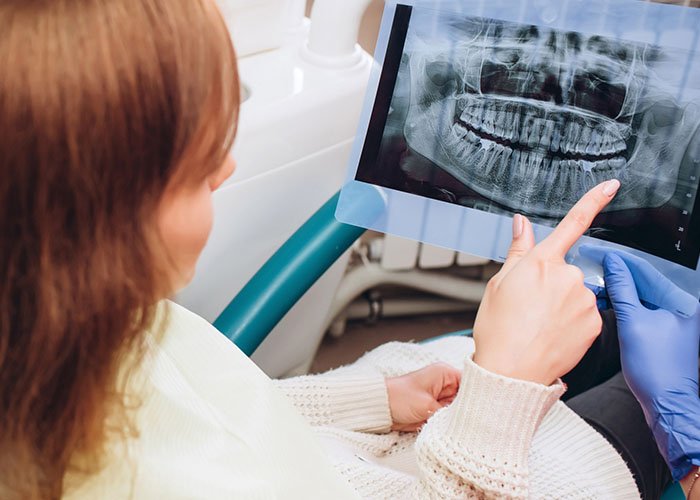
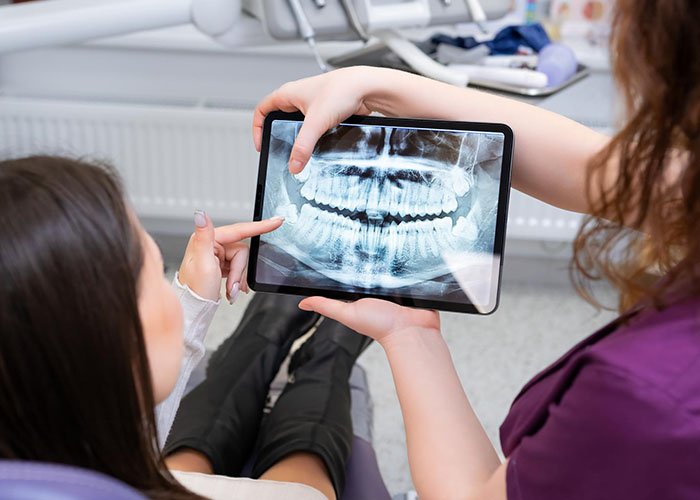
X-rays can help predict extraction difficulty by showing how much the gums and bone cover the tooth. You may provide your dental X-rays before the procedure, if you have them. This will make planning easier and faster.
Sedation and Anaesthesia Plan
Learning more about the type of anaesthesia required will help you prepare for the immediate recovery. Ask whether you will be allowed to drive after the surgery, whether you will need supervision, and whether you should fast before the surgery.
Questions After the Procedure
Post-surgery questions relate to the immediate recovery. You can ask the dentist about the following:
- How should I brush my teeth?
- What foods should I eat?
- How much bleeding is normal in my case?
- How often should I take pain medicine?
- How much swelling is expected?
- Should there be a follow-up appointment?
Pain Control, Cleaning, Diet, and Follow-Up
The degree of soreness, oral hygiene recommendations, and diet can differ between patients. If the dentist does not bring these points up, you should ask for clarification. Some types of stitches may require a follow-up appointment, though this is rare.
When to Call Urgently
Remember to ask the dentist about symptoms of a medical emergency. Difficulty breathing is often mentioned, but there may be others depending on your case.
Wisdom Teeth Recovery FAQ
How Long Does It Take to Recover from Wisdom Teeth Removal?
Recovery after wisdom teeth removal depends on the patient’s case. Most patients do not feel any symptoms after the first week. Full recovery, including tissue healing, takes at least 2 weeks.
How Long Does It Take for Wisdom Teeth Holes to Close?
The wisdom teeth extraction socket starts to close within 1 to 2 weeks. Full closure takes several weeks longer. Even after the gums have closed, you can expect an indentation to remain for several months.
Is Swelling Normal After Wisdom Teeth Removal?
Some swelling is expected after tooth extraction. It should peak 48-72 hours after the procedure and then gradually decrease. Contact the clinic if swelling increases after this time or is severe.
How Soon Can You Talk After Wisdom Teeth Removal?
You can start to talk several hours after tooth extraction. However, prolonged talking can cause soreness. It is recommended to limit talking during initial recovery to reduce pain.
What Is the Worst Day After Wisdom Teeth Removal?
For most patients, tooth extraction symptoms peak on days 3-4. This is because healing transitions into its inflammatory stage. Your symptoms should gradually decrease after peaking.
When Should I Call a Dentist After Wisdom Teeth Removal?
Call the dentist if you experience fever, severe pain, pus discharge, prolonged numbness or tingling, sudden bad taste in the mouth or bad breath, or difficulty breathing or swallowing. Many symptoms can be addressed early.
Next Steps If You Are Worried About Wisdom Teeth Recovery
Recovery after wisdom teeth removal is easy for most patients. Contact the dentist if your recovery symptoms differ from expectations, are severe, or worsen after the initial peak. Book an oral surgery consultation if your symptoms do not match the dentist’s advice or if you are worried that they are too severe or worsening.
When to Contact Your Dentist or Oral Surgeon
Contact the clinic if:
- Your symptoms do not match the dentist’s recommendations.
- Bleeding, pain, or swelling persist past the first few days.
- Your symptoms worsen suddenly.
- Your symptoms do not respond to the recommended medication.
How to Describe Symptoms Clearly
When describing your symptoms to the dentist, mention the following:
- Symptoms that you experience
- How many teeth were extracted
- How many days have passed since the surgery
- The medication that you take
- How painful the symptoms are
- Whether you experience bleeding and/or swelling
- Whether you have a fever

Medically reviewed by:
Dr. Onur Ademhan
Oral and Maxillofacial Surgeon
Founder and CEO of Perla Dental Clinics. Graduated from Ankara University Faculty of Dentistry and specialized in Oral and Maxillofacial Surgery at Gazi University.