+90 534 226 60 59
  Mon - Fri: 9:00-18:00; Sat: 9:00-17:30; Sunday: Closed

Dental implant problems can include temporary issues that are expected for most patients and signs of deeper underlying problems. Minor soreness, bleeding, and swelling can be normal for most patients. Fevers, pus discharge, and loose implants should be reported to the clinic.
This article describes common expected and worrying side effects of dental implants. This is not a self-diagnosis guide, but an overview of common concerns. We recommend promptly reporting any unusual symptoms to our clinic for review and advice.
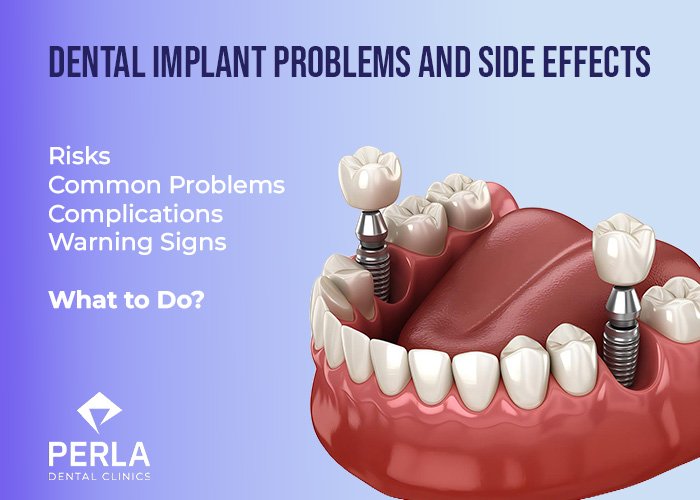
Table of Contents
What Dental Implant Problems and Side Effects Can Happen?
Some dental implant side effects are expected and temporary, while others are signs of an issue that requires a dentist’s attention. Temporary soreness, swelling, bruising and minor bleeding are typical. Loose implants or signs of infection, such as pus or severe swelling, are symptoms of issues that need to be addressed by a dentist.
Contact the dental practice if you think your symptoms are unusual or worrying.
May be expected after surgery
- Mild bleeding
- Soreness
- Bruising
- Some swelling
Ask a dentist promptly
- Fever
- Severe and worsening bleeding
- Severe inflammation
- Pus
- Severe swelling
- Loose implant
Normal Short-Term Side Effects After Implant Surgery
Minor bleeding, soreness, swelling, and bruising are expected in most patients. Pay close attention to these side effects of dental implants, as they should peak several days after surgery and gradually become less intense. How long they take to resolve varies by patient and case.
Warning Signs That Need a Dentist's Review
Worsening pain, severe swelling, fever, pus, severe bleeding and loose implants should not be ignored. Contact the clinic as soon as possible if you experience these issues. Addressing these dental implant problems promptly is important to prevent them from worsening and impacting your oral and general health.
Common Dental Implant Problems: Infection, Peri-Implantitis and Implant Failure
Infection, peri-implantitis, and implant mobility and failure are the most searched dental implant risks. Understanding their symptoms will help address them in time. These issues should not be left untreated.
| Problem | What it can mean | What to do next |
|---|---|---|
| Infection | Bacterial buildup in and around the implants and subsequent inflammation. Can progress to peri-implantitis. | Contact the clinic. Use prescribed medication or mouthwash. Visit the clinic for professional cleaning, if required. |
| Peri-implantitis | Progressing infection and inflammation spreading beneath the gumline. Causes bone loss. | Contact the clinic. Schedule the necessary procedures as soon as possible. |
| Implant mobility | Physical trauma or forces affecting the implant or the prosthesis. This can be a sign of osseointegration failure. | Contact the clinic. Visit the practice for a detailed examination. Be prepared for possible implant removal or replacement. |
Infection And Peri-Implantitis Around an Implant
Infection can refer to inflammation that affects only the gums. Peri-implantitis is deep inflammation of the tissues surrounding the implant. It is similar to periodontal disease. It can be caused by bacteria accumulating around the implant. Common symptoms may include bleeding and pus discharge.
Dentists can also confirm the issue by confirming bone loss and an increase in gum pocket depth around the implant. Untreated, peri-implantitis can lead to progressive bone loss and subsequent implant failure.
Loose, Failed, or "Rejected" Dental Implant Concerns
A loose implant or prosthesis should be examined, as it can be a sign of a range of dental implant complications. It is possible for an implant itself, or the prosthesis, such as a crown, to loosen. If this occurs during initial recovery, it can be a sign of a failed implant osseointegration. This means the implant has failed to fuse with the bone.
How a loose-feeling implant is addressed depends on the underlying causes. They can range from relatively benign issues, such as physical loosening of a crown, to signs of impending implant failure, and should be examined by the dentist.
Long-Term Side Effects and Complications of Dental Implants
Long-term side effects of dental implants can affect the gums, sinus areas, nerves, and surrounding jawbone. Risks are higher if the patient requires additional extensive surgical procedures before placing implants. Good treatment planning and a choice of a suitable implant type are important for optimal precision during placement, which helps to minimise these problems.
Gum Recession, Bone Loss and Implant Stability
Implant stability depends on the condition of the supporting jawbone and gums. As such, gum recession and bone loss, such as from peri-implantitis, can affect long-term implant survival.
Patients with naturally less dense jawbones or insufficient bone dimensions may require dental bone grafts before implants. Poor oral hygiene and gum disease are other risk factors that can influence long-term outcomes.
Nerve Damage, Sinus Issues and Nearby Tissue Injury
Dental implant risks of nerve, tissue, and sinus damage vary with the implant site. Typical symptoms include numbness, tingling, and other altered sensations. These should be discussed with the dentist to prevent long-term alterations. Generally, the symptoms are temporary, but genuine nerve damage can exhibit similar initial symptoms and should be treated as soon as possible.
Complications that involve sinuses can include sinusitis in addition to the above. The symptoms are similar to inflammation and should also be reported promptly.
Who Has a Higher Risk of Dental Implant Problems?
Dental implant risks are not the same for every patient. A history of gum disease, poor oral hygiene, smoking, diabetes, and other diseases may all negatively affect treatment outcomes. These factors should be voiced during treatment planning to improve treatment outcomes.
Tell the dentist if:
- You smoke
- Have diabetes
- Have a history of current gum disease
- Take prescribed medications
- Have had previous implant problems
- Have a bone graft history
Smoking, Diabetes, Gum Disease and Oral Hygiene Risk Factors
Smoking, diabetes, and gum disease can increase the risks of implant side effects by interfering with healing. Bad oral hygiene can lead to bacterial plaque buildup, which may increase the risk of inflammation and peri-implantitis.
Discuss these factors with the dentist if you have them. This will affect pre- and post-treatment recommendations and promote good treatment outcomes by limiting or managing these factors during critically important treatment periods.
Bone Loss, Poor Planning and Unsuitable Implant Placement
Bone volume and density are very important for primary implant stability. This is the stability that supports the implants initially, before they osseointegrate.
Patients with compromised jawbone parameters require careful treatment planning. Additional examinations and treatments, including bone grafts, may be required before placing dental implants.
How to Reduce the Risk of Dental Implant Complications
The risk of dental implant complications can be reduced by careful pre-treatment assessment, mindful treatment planning, aftercare, good oral hygiene, and regular dental check-ups.
To prevent implant issues:
- Undergo the necessary dental health assessment.
- Provide your medical history details upon request.
- Undergo the necessary dental imaging.
- Maintain good oral hygiene before and after the treatment.
- Avoid smoking before the treatment and during the recovery.
- Follow the dentist’s post-treatment recommendations.
- Schedule regular follow-up examinations.
Treatment Planning, Imaging and Suitability Checks
Many dental implant risks can be mitigated during treatment planning. By examining the patient’s mouth, jawbone condition, gum health, and medical history, our dental experts can determine sinus and nerve anatomy and a proper site and angle for the implant posts. With modern dental 3D imaging, it is possible to create a model of the patient’s jawbone. You can learn more about the safety precautions we take on our implant safety page.
Aftercare, Cleaning and Follow-Up
Implant aftercare involves steps and recommendations to protect the implant site after surgery and promote healing and long-term tissue health. The dentist may prescribe medications and recommend a procedure to maintain oral hygiene during recovery without disturbing the healing gums.
We provide these post-operative instructions in print after the implant procedure. Additionally, patients can contact our clinic via WhatsApp, and their dedicated coordinator will help them resolve any questions. Contact the coordinator if you experience any complications or unusual symptoms.
What to Do if You Think You Have a Dental Implant Problem
If you experience dental implant problems or symptoms that are worsening, unusual, or affect your daily life, it is best to contact our clinic as soon as possible.
We are always available for online consultations via WhatsApp and can recommend the proper course of action even after you have returned to your home country.
Before contacting the dentist, note the following:
- Your symptoms
- Date when they started
- Photos, if appropriate
- Medications that you take
- Relevant medical history
- Your dental travel dates
- Implant documents
When Symptoms May Be Part of Normal Healing
Some discomfort is an expected part of normal healing. Symptoms such as swelling, in particular, tend to peak several days after surgery and should gradually decline after that. Some soreness and bruising are also expected.
Our team will provide you with personalised aftercare instructions that account for the typical symptoms and whether they are normal for your case.
When to Contact a Dentist Promptly
Contact the dentist if you experience severe pain, swelling, or bleeding, or if these symptoms worsen suddenly. Fever, pus, prolonged bad taste in the mouth and implant movements also need to be reported promptly when they appear.
Ignoring these issues with tooth implants can cause health problems. You can read our article about pain during recovery after placing dental implants to help discern the normal soreness from signs of an issue that should be reported.
Dental Implant Risks in Turkey: What UK Patients Should Check Before Travelling
UK and international patients considering dental implants in Turkey should clarify the treatment-planning process, services included in the quote, and post-treatment support.
Perla Dental Clinics provides a written treatment plan before you travel to Turkey for implants. It includes the treatment price, the number of required visits, and the proposed treatment steps.
Before travelling to Turkey, establish:
- Your medical history
- Written treatment plan
- What procedures and services are included
- Aftercare contacts for after you return home
- Travel timing
- Local dentist plan
Questions to Ask Before Treatment Abroad
When contacting the dental clinic, ask these questions to establish treatment details:
- What procedures and services are included in my quote?
- What aspects of my medical history can impact the treatment?
- What type of temporary restorations will I receive with my implants?
- Will I need any extra procedures before dental implants?
- How should I prepare before travelling to Turkey?
Aftercare and Support After Returning Home
We provide contact via WhatsApp after you return home. You can ask our experts about your concerns or any issues you experience with your implants. They can advise you whether your recovery is going as expected or recommend solutions for common issues.
Some dental implant complications may require being addressed by a local dentist if they are severe or urgent. You may want to consult your local practice if they can arrange support in such a case.
FAQ About Dental Implant Problems and Side Effects
What are The Most Common Side Effects of Dental Implants?
Soreness, swelling, bruising, and minor bleeding are common side effects. Contact the clinic if they worsen or persist. We provide written aftercare details to help you discern normal symptoms from signs of a dental issue.
Can Tooth Implants Cause Health Problems?
Dental implants are local and do not affect your health directly after recovery. During recovery, when you are still healing, it is important to prevent complications. Unaddressed complications can impact your health, so contact the clinic if you experience them.
Why Would a Dental Implant Fail?
Implants can fail due to infection, low primary stability, overload, poor healing, or patient risk factors. Some of these issues can be avoided with good treatment planning and proper aftercare. Diagnosis of implant failure is only possible after a detailed dental examination.
Are Dental Implants Dangerous?
Being a surgical procedure, dental implant placement can have some of the same risks as other minor surgeries. We determine patient eligibility based on each patient’s case and health condition to minimise the chances of broad health risks. Most patients tolerate the surgery and recovery well.
Can Dental Implant Problems Be Fixed?
Some dental implant problems can be addressed, but this depends on the problem and its scale. Addressing implant issues can involve cleaning the affected area, repairing or replacing the implants, and prescribing medication. Whether the issue is reversible can only be determined after a check-up.
Contact the dentist if you experience any unusual, worrying, or worsening symptoms.

Medically reviewed by:
Dr. Onur Ademhan
Oral and Maxillofacial Surgeon
Founder and CEO of Perla Dental Clinics. Graduated from Ankara University Faculty of Dentistry and specialized in Oral and Maxillofacial Surgery at Gazi University.