+90 534 226 60 59
  Mon - Fri: 9:00-18:00; Sat: 9:00-17:30; Sunday: Closed

Dental implant treatments may be performed for adult patients who meet the treatment requirements. Suitability is determined on a case-by-case basis. The dentist considers the patient’s gum health, available jawbone, systemic health conditions, and lifestyle habits when determining suitability. The final decision on who is suitable for dental implants depends on the in-clinic professional dental assessment.
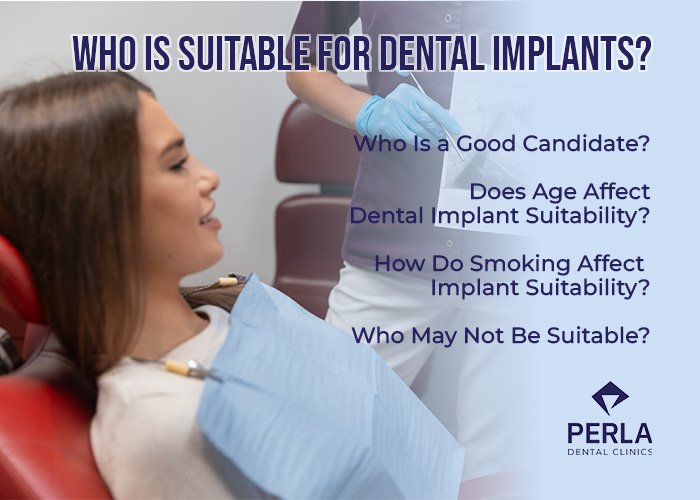
Table of Contents
Who Is a Good Candidate for Dental Implants?
Determining who is a good candidate for dental implants depends on careful consideration of the patient’s general and oral health, clinical needs, age, ability to maintain the restorations, and other factors identified during a professional dental examination and consultation.
A candidate for dental implants is assessed for:
- Gum health;
- Jawbone condition at implant site;
- General health, medical conditions, and their management;
- Ongoing medications;
- Smoking;
- Oral hygiene;
- Completed jaw and facial anatomy development.
Depending on the dental examination findings, the candidate may be found eligible for implants immediately, after preliminary treatment, or not recommended for implant surgery.
If you are unsure whether you meet these criteria for dental implant treatment in Turkey, a dental assessment can help determine which factors apply to your case.
How Do Gum Health and Oral Hygiene Affect Dental Implant Suitability?
Active gum health issues can reduce implant survival rates, while a history of periodontal disease may indicate a higher risk of developing peri-implantitis.
However, they are not necessarily permanent contraindications to implant treatment, and, in many cases, a patient may become eligible after preliminary treatment and reassessment.
Can You Have Dental Implants With Gum Disease?
Patients generally cannot have dental implants with currently uncontrolled gum disease. First, the patient should treat any active disease; then the dentist will reassess eligibility for implants.
Uncontrolled gum disease, or periodontitis, increases the chances of implant failure and other post-treatment risks. Periodontitis may also lead to peri-implant disease, an inflammation of tissues surrounding the implant.
While patients may become eligible for implants after effective periodontitis treatment, such patients may be at increased risk of developing peri-implantitis. The dentist evaluates these factors when planning treatment.
Can You Have Dental Implants With Receding Gums?
Receding gums can indicate active gum disease or other issues. To receive dental implants with receding gums, the patient should undergo a dental examination to determine the cause of ongoing gum recession and treat underlying issues.
The dentist will consider the cause of gum recession, periodontal stability, and general soft-tissue condition to determine if the patient can undergo implant surgery. A gum graft treatment may be performed to improve periodontal stability or address possible aesthetic defects.
Why Does Long-Term Oral Hygiene Matter for Dental Implants?
Good oral hygiene is essential for controlling plaque after implant placement. Poor oral hygiene increases the risk of peri-implantitis and other complications.
To maintain oral hygiene with dental implants, patients may need to adapt their toothbrushing routine to clean interdental spaces and the areas between the restoration and soft tissues. Regular dental appointments and professional care also matter for long-term treatment success.
Do You Need Enough Jawbone for Dental Implants?
Patients need sufficient bone volume and height to support an implant, but bone loss does not necessarily mean implant treatment is impossible. Treatments such as bone grafts may improve jawbone condition.
Can You Have Dental Implants With Bone Loss?
Using dental implants for patients with bone loss requires assessment of available bone volume and height. Bone anatomy requirements depend on the implant type and individual clinical case.
The degree of bone loss varies between patients, so imaging such as CBCT may be needed to measure the precise condition of the jawbone at the implant site. Some implant types may be placed even with minor bone loss.
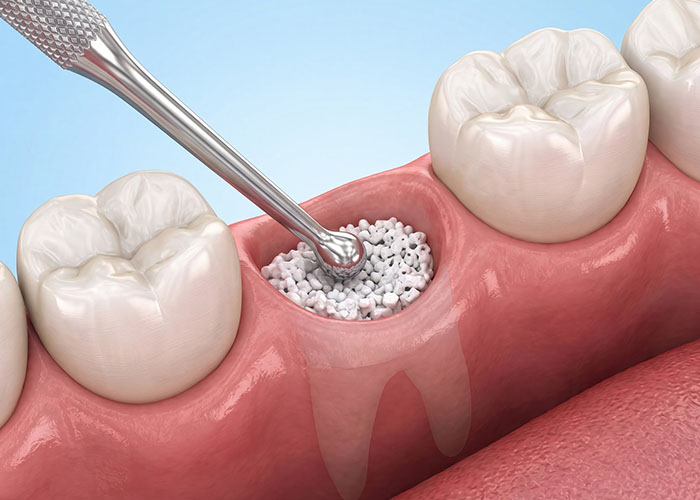
When Might You Need a Bone Graft or Sinus Lift?
If the patient’s jawbone does not provide enough support for the implant and restoration, the dentist may propose different types of bone grafts. Techniques such as guided bone regeneration can correct localised bone defects. Whether a bone graft before dental implants is required depends on the individual case.
A sinus lift for dental implants may be required to create additional vertical space for the implant in the upper jaw. The procedure involves carefully repositioning the sinus membrane and filling the freed space with bone graft material.
Does Age Affect Dental Implant Suitability?
No single, definable upper age limit for dental implants can disqualify the patient from treatment on its own. A patient’s age and age-related oral and general health changes may influence treatment planning and recommendations, but are considered along with other eligibility factors.
Are Dental Implants Suitable for Older Adults?
The patient’s chronological age is not necessarily an eligibility factor for implants. Rather, the dentist considers the patient’s oral and general health, as well as the ability to maintain the implants. Although age-related changes may reduce bone density at the implant site or increase the risk of peri-implantitis, these factors vary by patient and are not determined by age alone.
Can Teenagers and Young Adults Have Dental Implants?
To be eligible for dental implants, the patient should have completed jaw and facial anatomy development. As every patient’s case is different, a personalised assessment is required to determine patient eligibility.
Which Medical Conditions and Medications Can Affect Dental Implant Suitability?
A variety of medical conditions may affect dental implant procedures by introducing additional risk factors, relative or absolute limitations, depending on the condition and its severity.
| Factor | What it may affect | What happens next |
|---|---|---|
| Diabetes | Healing/infection risk | Assess disease control |
| Osteoporosis | Bone considerations | Individual assessment |
| Antiresorptive therapy | Bone healing/MRONJ risk | Medication-specific risk assessment |
| Previous radiotherapy | Bone healing | Specialist assessment |
Can People With Diabetes Have Dental Implants?
Uncontrolled diabetes precludes implant surgery. Patients with well-controlled diabetes may be eligible for dental implants after the dentist assesses the individual infection and healing risks.
Poorly controlled diabetes is associated with worse wound healing, increased infection risks, and more bone loss. As such, the possibility of placing implants in patients with diabetes is highly dependent on individual risk assessment.
Can People With Osteoporosis Have Dental Implants?
Osteoporosis is not an absolute contraindication for dental implants. The dentist should consider the bone condition at the implant site to determine whether a patient with osteoporosis can continue with the treatment.
Patients who want to place dental implants during or after bisphosphonate treatment for osteoporosis are at a higher risk of complications, including MRONJ. The risk is higher for patients receiving intravenous bisphosphonates. Whether such patients can receive dental implants can be determined only after a careful evaluation.
Which Medications and Medical Treatments Can Affect Dental Implant Suitability?
Medications that can affect dental implants include bisphosphonates, antiresorptive and anti-angiogenic medications, and anticoagulants.
Treatments that influence implant outcomes and patient eligibility include immunosuppressive therapy, chemotherapy, and previous radiotherapy to the jaws.
Some of these medications and treatments may increase the risk of complications, while others may be contraindications to proceeding with treatment.
Never stop taking your medications on your own to place the implants. Consult your doctor to discuss how and when you may adapt your prescription if necessary. Tell your dentist about all of your medical conditions, previous cancer treatment, and medications before planning implant treatment.
How Do Smoking, Bruxism and Patient Habits Affect Implant Suitability?
Smoking and bruxism may make the patient more prone to developing dental implant risks and complications, damaging the implants, or lowering their service life.
Can Smokers Have Dental Implants?
Smokers are generally eligible for dental implants, but complying with individual cessation recommendations is important, especially for the initial recovery. Smokers should understand that smoking may interfere with healing after surgery and make them more prone to developing complications, such as peri-implant disease.
Can You Have Dental Implants If You Grind Your Teeth?
Grinding your teeth, also called bruxism, can negatively impact your implants. Applying excessive pressure on implants may damage them or the restoration. This can compromise their aesthetics or function, or lead to implant failure. Protective strategies may include wearing a night guard, but patients with severe bruxism may be ineligible for certain types of implants.
Why Does Commitment to Aftercare Affect Dental Implant Suitability?
Dental implant aftercare and good oral hygiene can improve the odds of treatment success. Patients who are unable to maintain their implants for any reason may be poor candidates for the treatment. Professional cleaning and maintenance are also important.
Who May Not Be Suitable for Dental Implants?
Implant suitability depends on many factors, but patients who cannot have implants immediately are not necessarily permanently ineligible. In many cases, they may proceed with implant surgery after treating a specific condition or assessing treatment risks.
When Might Dental Implant Treatment Need to Be Delayed?
Active oral infections, uncontrolled periodontal disease, incomplete jaw growth, and insufficient bone condition at the implant site are common reasons for delaying implant placement.
Patients should always treat oral infections and gum disease before implant procedures. A bone graft can often correct Insufficient bone height or density.
Which Patients May Need Specialist Assessment Before Dental Implants?
Patients with complex systemic health conditions, or a history of specific treatments, such as bisphosphonate therapy and radiotherapy, have an increased risk of developing side effects and complications after implant surgery. They should consult a specialist in a related field for an external opinion and risk assessment.
When May Dental Implants Not Be Recommended?
Patients may be deemed unsuitable for dental implants if their medical history shows the risks outweigh the benefits. Such assessment is individual and is based on the patient’s general and oral health, needs, and expectations.
What Are Your Options If Dental Implants Are Not Suitable?
If implants are not suitable for your case, tooth-replacement options can include a dental bridge or removable denture. Patients with complex cases may also benefit from a specialist review to confirm an optimal treatment path.
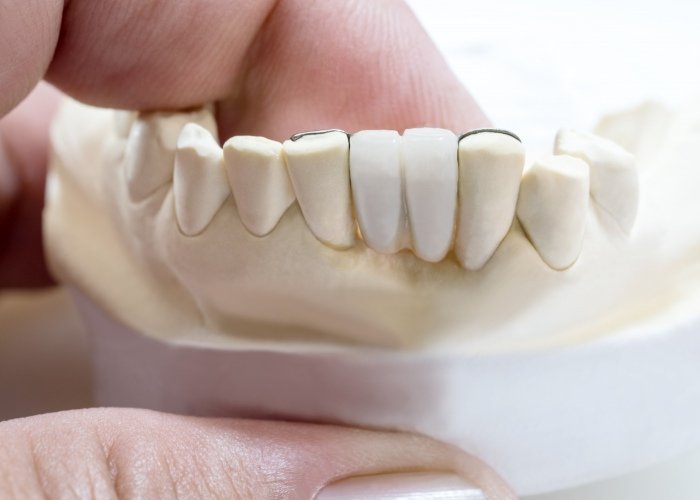
Dental Bridges
Dental bridges are fixed restorations. They use adjacent teeth for support, so the overall stability depends on the condition of these supporting teeth. Typically, bridges restore no more than one or two consecutively missing teeth.
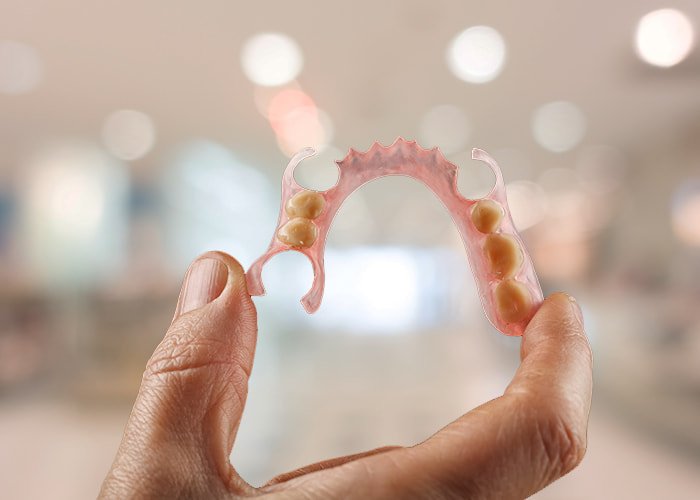
Partial or Full Dentures
Full or partial dentures are removable prostheses. The choice is made based on the patient’s degree of tooth loss. Partial dentures replace only some teeth. Full dentures replace an entire dental row. Dentures place fewer demands on jawbone condition, so patients whose bone density or dimensions preclude implant placement may be eligible for dentures instead of implants.
Specialist Second Opinion
Patients with complex clinical cases may want to consult another dental specialist for a separate opinion on implant treatment eligibility. This is especially relevant for cases with severe bone loss. An additional consultation does not guarantee that another specialist will approve the treatment, or that implants are the best solution for your case.
Can You Become Suitable for Dental Implants After Initial Treatment?
Ineligible patients may sometimes become suitable for implants after they resolve the health condition that interfered with the procedure. This is not possible in every case and may require additional care when planning implant treatment.
If you have previously been told you are unsuitable for dental implants, an updated assessment can clarify if a preliminary treatment has changed your options.
Can Treating Gum Disease Make You Suitable for Dental Implants?
Periodontal stabilisation involves resolving the underlying issues that caused gum disease and may include additional procedures to recover lost tissue and maintain oral health. Note that even if you become eligible for an implant, a history of gum disease may indicate a higher risk of developing peri-implantitis.
Can Bone Grafting Make You Suitable for Dental Implants?
Bone grafting before implant placement can make you eligible for implants. Depending on your jawbone condition, a bone graft may need to be performed before treatment or during implant surgery. Major bone grafts are done before implant placement, require a separate recovery period, and reassessment after recovery. A bone graft does not guarantee that you will obtain sufficient bone support for dental implants.
Can Managing Smoking, Bruxism and Other Risk Factors Improve Implant Suitability?
Managing smoking and bruxism can improve treatment outcomes. The dentist may recommend that you stop smoking for a certain period to allow the implants to heal after placement. If you can comply with these recommendations, you may become eligible for implants.
Bruxism management methods are individual and may require wearing a night guard during sleep or adjusting the treatment plan to use more durable materials.
Other risk factors, such as sinus proximity to the jaw, may require additional treatments, such as sinus lift before implants.
How Does a Dentist Determine If You Are Suitable for Dental Implants?
Dental implant assessment and treatment planning involve sequential assessment of many factors. The dentist starts by considering your medical and dental history, current medications, smoking, and other lifestyle habits. This may be performed during a remote consultation.
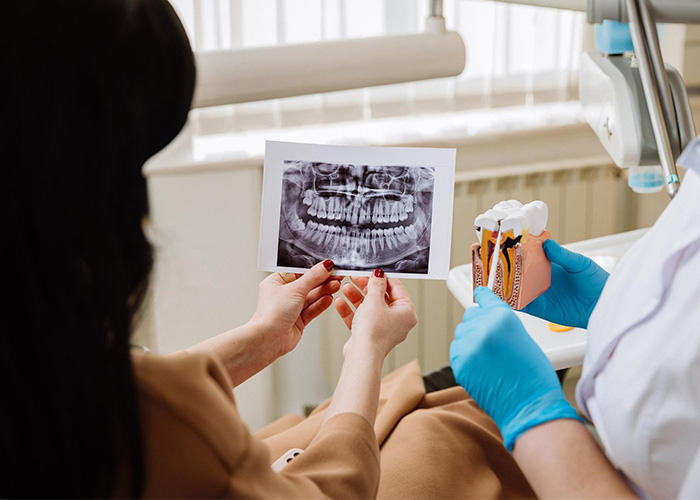
A clinical examination is required for further assessment. The dentist assesses the tooth and soft tissue condition, occlusion, and examines any existing infections or pathologies. Dental X-rays or CBCT may then be used to examine bone volume and anatomy, and the locations of sinuses and nerves, if they are estimated to be close to the implant site.
The examination concludes with an assessment of the patient’s restorative needs, while accounting for any possible risks, then finalising the patient’s personal treatment plan if treatment can proceed.
The only way to confirm your implant suitability is through an individual dental assessment.
Implant Suitability Assessment Before Travelling to Turkey
UK patients should have a remote assessment to review their case when planning dental implant treatment in Turkey. However, a remote consultation provides only a preliminary diagnosis, which an in-clinic assessment may supersede. The final treatment plan is also created based on an in-clinic dental implant assessment in Turkey.
Information Needed Before Travel
The clinic may require some relevant information for a preliminary diagnosis and suitability assessment. These include your medical history, current prescriptions, previous dental treatments, dental photographs and available dental X-rays. A CBCT may be requested if it is available. You may also want to consider implant safety and clinic choice in Turkey.
In-Person Assessment in Turkey
An in-person assessment in Turkey determines final clinical suitability for implants. It involves a clinical examination of gums, bite, and jawbone. Additional diagnostic imaging may be used to better understand the patient’s jawbone anatomy.
Send your dental records or available X-rays for a preliminary review before planning your trip to Turkey.

Medically reviewed by:
Dr. Onur Ademhan
Oral and Maxillofacial Surgeon
Founder and CEO of Perla Dental Clinics. Graduated from Ankara University Faculty of Dentistry and specialized in Oral and Maxillofacial Surgery at Gazi University.
Frequently Asked Questions About Dental Implant Suitability
Can I Have Dental Implants if I Have Worn Dentures for Many Years?
Dentures do not stop bone loss. If you have worn dentures for a long time, you may have lost sufficiently large amounts of bone density or height to place implants immediately. A clinical assessment is required to establish your current jawbone condition and suitability for implants.
Can I Have Dental Implants After a Previous Implant Has Failed?
First, the dentist should determine why your previous implant has failed. This may be because of a previously undiscovered health condition or lifestyle choices. These factors may require correction before you can replace the implant.
Can I Have Dental Implants if I Take Blood Thinners?
Such cases require medication-specific assessment. Do not stop taking the medication by yourself. Consult with your doctor on whether the risks of changing your prescription regimen outweigh the implant benefits.
Can You Have Dental Implants During Pregnancy?
Generally, elective treatments such as implant placement are heavily discouraged during pregnancy. You may discuss the situation with your doctor, but both examination methods, such as X-rays and CBCT, and sedation required during surgery may be harmful to you or your child during this time. Additionally, hormonal changes during pregnancy may negatively impact implant survival.
Can High Blood Pressure Affect Dental Implant Suitability?
Whether patients with hypertension can get implants depends on the severity of the condition and how well-controlled it is. Discuss the possibility of elective dental surgery with your doctor. Do not proceed with implant treatment if the risks outweigh the benefits.
Do I Need to Stop Smoking Before Dental Implants?
Smoking cessation before and after dental implant surgery is a common risk reduction strategy. Smoking impedes healing and osseointegration. If the dentist recommends that you stop or limit smoking during a certain period, it can help increase the chance of a successful treatment.
Can Severe Bone Loss Make Dental Implants Impossible?
Yes, severe bone loss may be a contraindication for implants, but this depends on the case and bone augmentation possibilities. In cases when a bone graft is performed, the bone condition requires reassessment after the patient recovers.
Do I Need a CBCT Scan Before Dental Implants?
Not every patient requires a CBCT scan. It depends on diagnostic requirements. Complex cases are more likely to need dental imaging.
Can My Suitability Be Confirmed Before I Travel to Turkey?
Only a preliminary diagnosis can be made remotely. A final confirmation is made after an in-clinic assessment. This confirmation may overturn previous findings.
Expert Insight: What Our Implant Surgeon Checks Before Recommending Dental Implants
Determining implant suitability requires more than impersonal data, such as age, dental photos, or the number of missing teeth. Each patient’s case is different, and each one requires a specific approach.
In-clinic examination and discussion of gum health, jawbone parameters, medical history, and occlusion form the basis of Perla Dental’s individual restorative plans. This allows for predictable, safe treatments that suit the patients’ needs.