+90 534 226 60 59
  Mon - Fri: 9:00-18:00; Sat: 9:00-17:30; Sunday: Closed

Inlays and Onlays in Turkey
Inlay and onlay dental treatments are becoming more popular as a highly durable and aesthetic option in cases where a conventional tooth filling may have been used. The procedure can help close even large cavities left after caries are removed.
Table of Contents
What Are Inlays and Onlays?
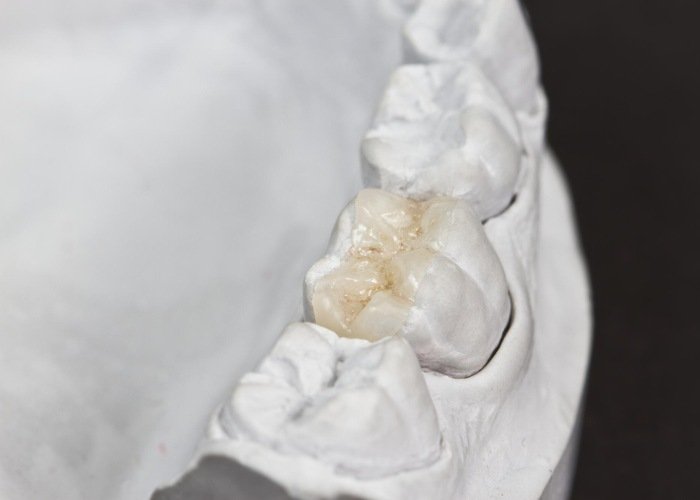
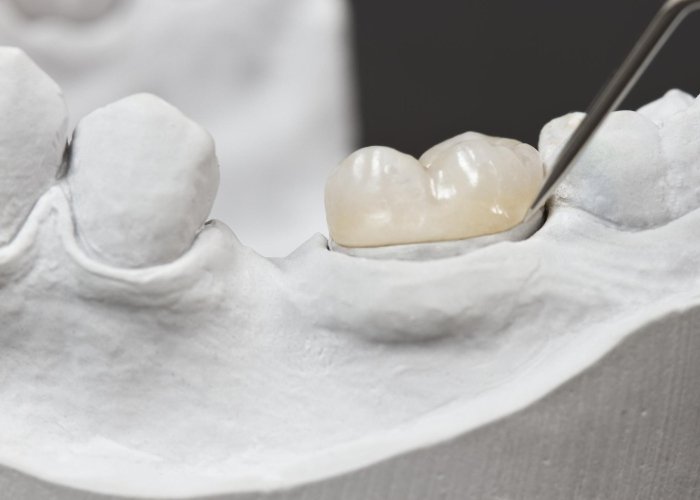
Porcelain inlays and onlays can be considered a type of highly durable filling that uses durable and natural-looking dental ceramic in place of polymer, making the treated teeth stronger and helping to preserve their structure.
Inlay and Onlay Restoration: What Is the Difference?
A dental inlay is installed inside the cavity and is used when treating smaller areas of the tooth. The replaced tissue does not extend beyond the cavity. An onlay covers more of the tooth and can offer better protection, but requires removing more enamel.
What Are Inlays and Onlays Fillings?
Apart from ceramic, an inlay filling can be manufactured using materials such as composite and metal. However, the resulting shape of the restoration is the same, with the inlay being smaller.
Inlays and Onlays Cost in Turkey
Dental inlay and onlay costs in Turkey are much lower than in the USA and the UK. This is why many patients come to Turkey to restore their teeth, as inlay procedures are usually not covered by medical insurance.
How Much Does an Inlay or Onlay Cost in Turkey?
The cost of an inlay and an onlay differs. A ceramic dental inlay starts at £150, while a dental onlay starts at £180.
Factors Affecting the Price
The cost of an inlay and onlay treatment depends on the material it is made from, the clinic location, and other criteria. However, you can save more than half of the price when getting treated in Turkey.
Advantages of Inlays and Onlays
There are many benefits to getting a ceramic onlay or inlay, including:
- Long service life
- More support for damaged teeth
- Accurate fit matching the cavity size
- Natural appearance that blends with untreated enamel
Why are Inlays so Durable?
The durability, wear resistance, and service life of onlay and inlay restorations are due to the properties of ceramics and metals used in making dental fillings.
Long-Term Safety and Durability of Ceramic Fillings
Ceramic inlay restorations can last longer than traditional fillings, though the actual service life can vary. Our restorations are rated for up to fifteen years of service, but can last up to thirty if you have good oral hygiene.
Types of Dental Inlays and Onlays
The main difference between types of dental inlays and onlays lies in the material they are made from, such as ceramic or composite. These materials affect restoration’s appearance, wear resistance, and other properties.
Ceramic Inlays and Onlays
Ceramic fillings have a similar appearance to natural tooth enamel. They can be tinted to match the colour of the restored tooth more precisely, allowing them to blend in with the surrounding teeth.
Benefits
A ceramic tooth restoration is very natural-looking, inconspicuous, and biocompatible. These restorations have a long service life and are suitable for most patients.
Minuses
The ceramic is firmer than natural enamel tissue, which can cause occasional tooth sensitivity in some patients. People whose teeth continue to weaken are more prone to this, as the filling places additional stress on the tooth structure.
Gold Inlays and Onlays
Gold fillings are similar to natural tooth enamel in density and are among the most long-lasting restorations. However, they stand out visually as they have a metallic appearance.
Benefits
A gold filling is suitable for people who want a very durable restoration that is unlikely to get damaged in any way over time. Gold is well-suited for treating molar teeth.
Minuses
Gold is not suitable for cosmetic restorations, since it does not look like natural enamel. The cost is also higher than for other types of restorations. Manufacturing gold fillings requires a very experienced dentist.
Composite Inlays and Onlays
Composite fillings are made from a variety of polymer resins. They can be shaped and cured directly on the teeth, making it possible to install them in less time. These restorations are more affordable than most other types.
Benefits
Polymer resins provide adequate cosmetic value at a lower cost than porcelain. They can be installed during one visit to a clinic and do not require as much tooth preparation.
Minuses
They are less durable than porcelain and metal. As such, these restorations need to be replaced after a shorter time. They are more prone to staining over time than the alternatives and natural enamel.
Cerec Inlays
Cerec fillings use a ceramic material but can be made and installed in one day, just like composite restorations. The filling is created based on a digital dental scan. The final restoration is carved out from porcelain in a computer-controlled process.
Patient Experience and Reviews
A good way to find out if a procedure in Turkey is the best for you is to read other patients’ testimonials.
EXCELLENT Based on 2409 reviews
 Posted on Google
 yavuz buyukgebizTeşekkürler onur hocam eldar hocama tüm doktorlara cok Cook memnunuzPosted on Google
 Ayşe SoyturkAli hocama tesekkue ederim dislerim çok güzel oldu çok memnunumPosted on Google
 Elif IlaslanCok memnunum ramazan hocana tesekkürler asistanı cok yardımcı olduPosted on Google
 Gunes SanliturkÇok temiz bir yer. Personel çok ilgili. Halkla ilişkiler harika. Doktorlar desen hem çok güler yüzlü hem de işinin ehli. Güven veriyorlar. Tebrikler ve teşekkürlerPosted on Google
 Mustafa ManavÇok güzel ve temiz bir klinik. Çalışanlar güler yüzlü ve doktorlar deneyimli.Posted on Google
 Sara SamarfardI had my first visit with dr mehmet can and seda my experience was very good and really satisfied with team special thanks to mahi , she is really nice and friendly and very knowledgeable about treatment and care for patients I highly recommend to everyone, and definitely will back again soon, thanks again omid and mahi ❤️🥰Posted on Google
 KOC tipsI cannot recommend Perla Dental Clinic enough. From my very first visit to Antalya, Mahi and Zoe made everything so easy and stress-free for me. Everything that was agreed beforehand was exactly as promised, and the whole experience has been amazing. The treatment went incredibly well, and I was kept informed every step of the way, always knowing exactly what was happening and what to expect. I had 11 implants, including 2 zygomatic implants, and the level of professionalism, care, and attention I received has been outstanding. I am just about to leave after my first visit and honestly could not be happier with how everything has gone so far. Thank you to the whole team at Perla Dental Clinic, and especially Mahi and Zoe, for making such a big treatment feel so smooth and reassuringPosted on Google
 Teslime ÇınarOnur hocama geldim muayane oldum çok memnunum
Inlays and Onlays vs. Other Treatments
We offer several alternative treatments in Turkey that may be suitable if you have severely damaged teeth or have needs that cannot be addressed with an inlay or onlay restoration.
Inlays and Onlays vs. Composite Fillings
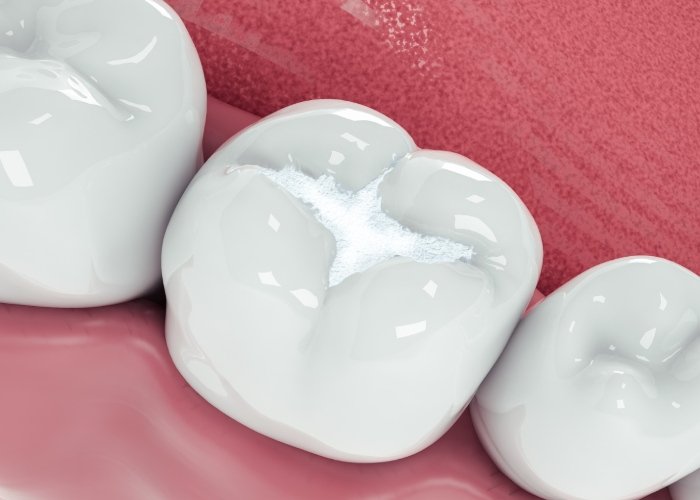
The primary difference between porcelain inlays/onlays and composite fillings is in how the restorations are made. Porcelain restorations are manufactured externally, while composite ones can be shaped on the tooth. Porcelain offers a longer service life and better aesthetics.
Inlay vs. Dental Crown
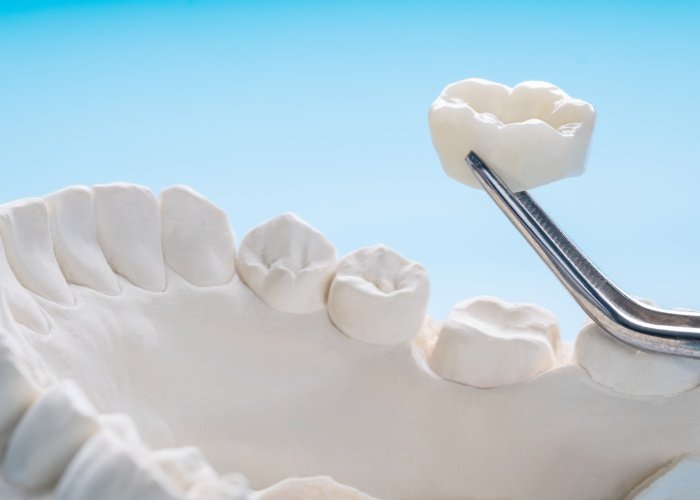
Denlal crowns are the best alternative if you have severely damaged teeth. They cover the entirety of treated dentition, restoring its function and appearance.
Benefits
- Well-suited for very damaged dentition
- Excellent service life
- Highly aesthetic results
Minuses
- Require more tooth preparation
- More expensive
When Do We Recommend Inlays and Onlays in Turkey?
The indications for inlay and onlay treatments in Turkey differ slightly. Each treatment has its own use case, so knowing which one is better for you will help you make a more informed choice.
Dental Inlays and Onlays Indications
Inlay restorations are most suitable for people who:
- Need to replace only a small part of a tooth
- Have a cavity in the upper part of a tooth
Onlays are great for patients who:
- Have more extensive tooth damage
- Require a more stable restoration
- Have a cavity primarily on the lateral tooth surface
Reasons to Have Inlays and Onlays in Turkey
Turkey has many experienced dentists who can create aesthetic restorations that perfectly match your smile. Additionally, prices for these types of treatments are much lower at Turkish clinics compared with the UK.
Frequently Asked Questions About Inlays and Onlays
How Are Inlays and Onlays Manufactured?
The process for manufacturing an inlay is similar to that of other ceramic restorations. The dentist makes impressions of the patient’s teeth and transfers them to the dental lab, where the restoration is made from durable ceramics according to the shape of the patient’s dentition.